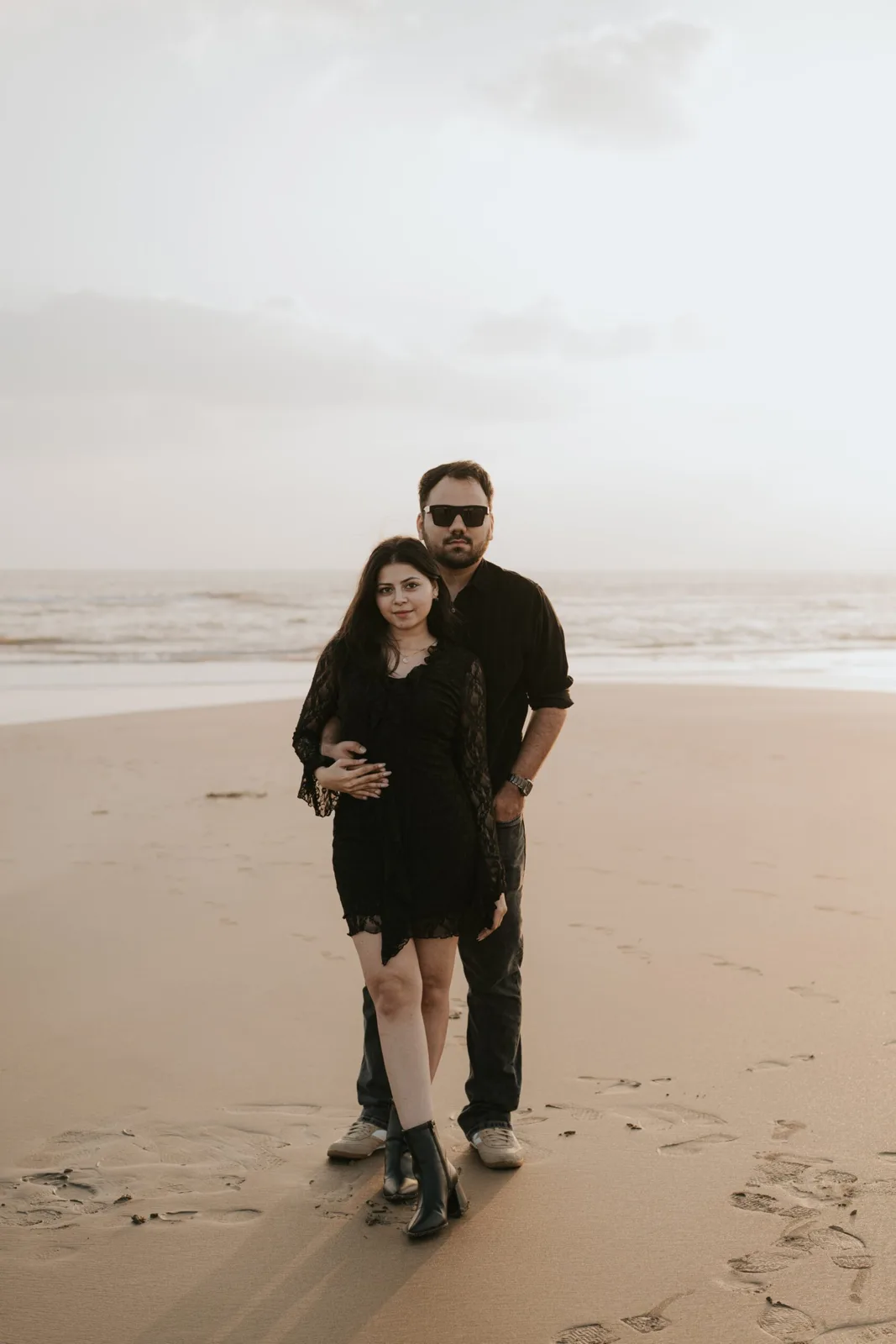
A pet can make a couple’s photographs feel personal, but including one changes the practical plan. Someone needs to supervise the animal while the couple is being photographed, the setting must permit pets, and the session has to allow for behaviour that cannot be directed like a pose. Start with your pet’s familiar routine and temperament. The goal is a small, comfortable part of the shoot, not a long performance. If the animal is unsettled, the plan should make it easy to stop and continue the couple’s photographs separately.
Planning a session? Explore our pre wedding photography service alongside this guide.
Confirm that the setting allows pets
Ask the property owner or responsible organiser before the session. Do not rely on having seen another person bring an animal there. Check where the pet can remain, whether a lead is required and who is responsible for cleaning up. A permitted outdoor area may still have busy paths or other animals nearby. Choose a setting your pet can use comfortably. The photographer can discuss the visual plan, but access permission and appropriate supervision need to be organised by the owner.
Bring a dedicated handler
A trusted person should look after the pet whenever the couple needs to focus on photographs. That helper should be comfortable managing the animal and able to leave the photography area if needed. The photographer cannot safely supervise a pet while operating the camera and directing both people. Agree where the helper will wait and how the pet will move in and out of the sequence. This arrangement also gives the couple time for portraits that do not include the animal.
Choose familiar actions
Sitting beside you, walking on a lead or resting near a familiar person may be more realistic than asking the pet to hold an unusual position. Explain what the animal already does comfortably. Do not make the photograph depend on an exact expression or a trick that works only occasionally. Natural interaction can give the pictures their character. If the pet turns away, a wider image of the relationship may still be worthwhile. Leave room for the photographer to observe rather than repeatedly forcing a position.
Keep the pet segment limited
Decide whether you want one clear group portrait and a few ordinary interactions, or a more substantial pet-led sequence. Start with a modest goal. A short section makes it easier to accommodate a break or an early departure. Put the pet photographs at a point that suits the animal’s routine and the practical access. Do not keep the pet waiting through several outfit changes. Agree what happens if it needs to leave before the main portrait is made, so the session does not stall.
Prepare ordinary comforts
Bring the items you normally use to manage your pet comfortably, such as its lead and water. If treats or toys are part of your routine, discuss how they will be used without distracting the animal throughout the session. Avoid unfamiliar costumes or accessories solely for a photograph if they make the pet uncomfortable. For questions about the animal’s health or suitability for the outing, ask a qualified professional who knows its needs. Photography planning should not replace that advice.
Protect the couple’s clothing and movement
A pet may jump, pull or shed onto an outfit. Choose how you want to interact and whether the clothing can accommodate it. If an outfit is delicate or difficult to move in, photograph a simpler interaction rather than expecting the pet to behave differently on the day. Keep hands and leads manageable during walking frames. The photographer can suggest positions that make the relationship visible, but the handler and owner remain responsible for the animal’s control and comfort.
An illustrative short sequence
Imagine a couple wants their dog in one photograph because it is part of their everyday life. The chosen setting permits dogs, and a familiar friend handles the animal. Make the group portrait early, then photograph a short ordinary walk. The handler takes the dog to a comfortable waiting place while the couple continues their session. This is an illustrative plan, not a client story or a promise that the animal will cooperate. The useful feature is that the pet can leave the sequence without disrupting everything else.
Have a stopping point
Agree which signs of discomfort mean the pet segment ends, based on the owner’s knowledge and any professional advice they have received. Avoid repeated attempts just because the desired frame has not happened. A calmer photograph from the first few minutes may be more meaningful than a strained arrangement later. The fallback can be couple portraits with an object connected to the pet, or a separate pet photograph another time. The animal’s participation should remain a possibility rather than a requirement.
Review the result honestly
Choose photographs that show comfortable interaction and a recognisable relationship. A frame where everyone looks directly at the camera is not the only successful image. A hand resting near the pet or a familiar walk can belong in the story. Explain public-sharing preferences if your photographs reveal a home or private setting. Keep the captions about your own experience rather than pretending the pet behaved in a way the images do not show.
Mention the pet when enquiring through the pre-wedding photography service page. Include the animal, setting permission, handler and the short sequence you hope for. Those details help the team plan a session that works for the couple and leaves room for the pet to be itself.
Discuss your photography brief
Share your intended use and priorities through our pre wedding photography service page. Fine Art Photography is based in Diu; travel assignments, coverage, editing and delivery are confirmed individually. Bring the decisions from this guide to the conversation so the proposed session can reflect what you need.
Discuss your photography brief