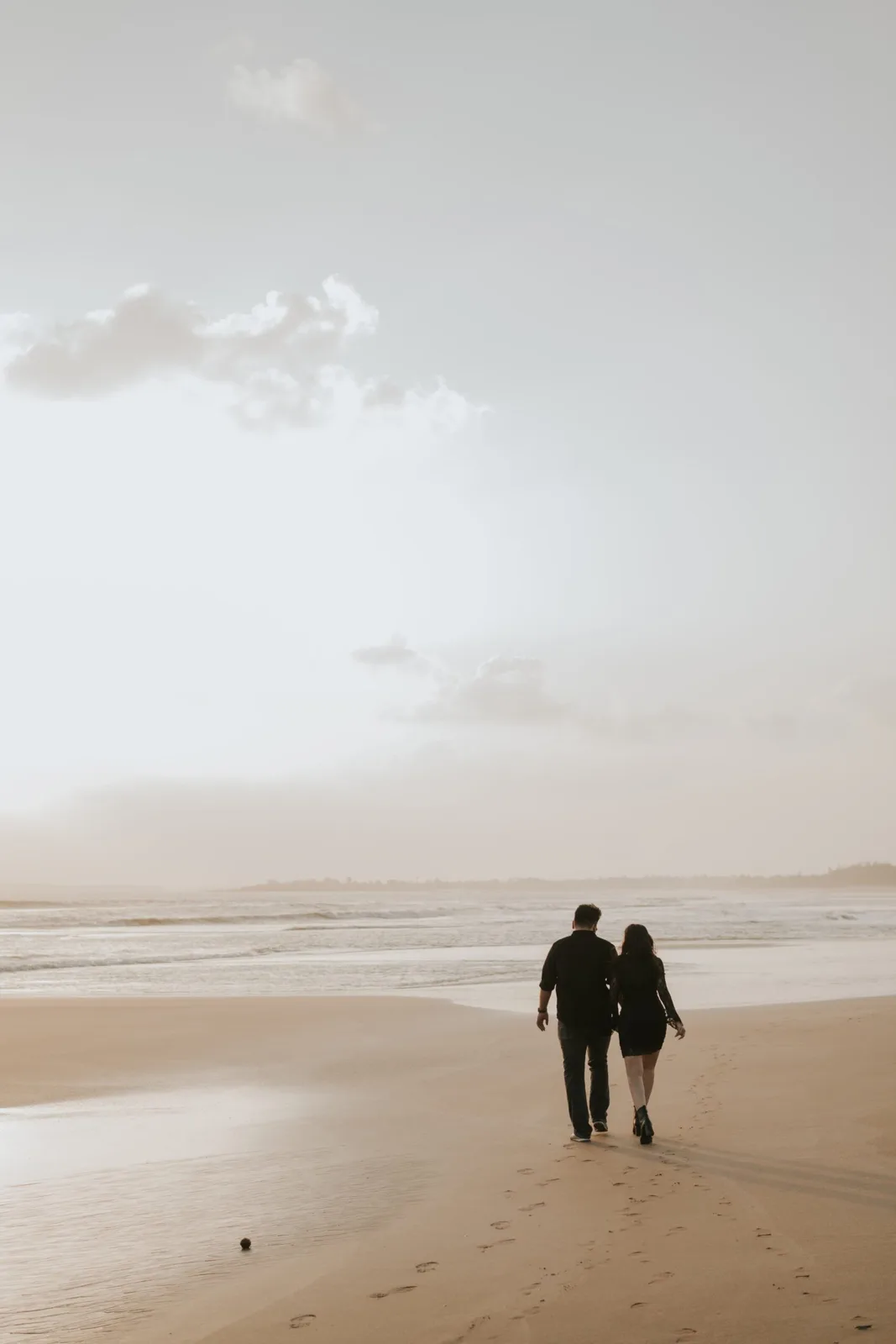
Traditional clothing can bring texture, movement and personal meaning to a pre-wedding collection. The photographs should still be about the people wearing it. A useful brief explains which details matter, how comfortably the outfits allow movement and what the couple wants the images to feel like. You can make a clear portrait, a closer detail and a relaxed interaction without turning the session into a catalogue of accessories. Begin with the clothing’s place in your story, then choose photographs that connect it to the relationship.
Planning a session? Explore our pre wedding photography service alongside this guide.
Explain the meaning behind the outfit
Tell the photographer whether the clothing relates to family, a celebration or a style you both enjoy. A garment made by a relative or a piece of inherited jewellery may deserve a particular photograph. That context helps the team choose details thoughtfully. Avoid assuming a photographer can identify every regional or family significance by looking at the clothes. A short explanation is enough. The session can then preserve what matters to you without using inaccurate labels or a generic cultural story.
Test how the clothing moves
Wear the complete outfit before the shoot and try walking, sitting and standing close together. Check whether layers need help, whether a hem catches underfoot and whether accessories make certain gestures awkward. Tell the photographer what you can do comfortably. Do not make the brief depend on dramatic movement simply because similar clothing appears in a twirling reference. A still portrait can show the garment’s shape, while a small natural action may reveal enough movement without repeated adjustments.
Choose a background that leaves detail readable
An elaborate outfit can become difficult to see against an equally busy background. Explain which colour or craft detail should remain clear. The photographer may suggest a simpler setting or a change of angle. This does not mean the whole collection needs a plain wall. A wider environmental photograph can show the setting, while a closer portrait gives the clothing space. The important distinction is the job of each picture: people, garment detail or the relationship with the surroundings.
Plan jewellery photographs deliberately
Jewellery can catch light, cover a neckline or draw attention away from an expression. Decide which pieces are part of the main look and which deserve a closer photograph. Make the detail picture at a point when the jewellery is already settled. Avoid repeatedly removing and replacing items without a clear purpose. If a piece is delicate or valuable, agree handling with the owner. The photographer should not need to borrow it for a separate arrangement unless that photograph is wanted and practical.
Give both outfits equal consideration
One person’s clothing may be more intricate, but both people should remain visible in the composition. Review the pair together rather than choosing each outfit independently. The photographer can balance positions and framing without making one person merely an accessory to the other’s look. Discuss whether you want individual portraits as well as couple photographs. A small set of solo views can show each outfit, while the main sequence returns to the shared story.
Use gestures that belong to the pair
Holding hands, turning towards one another or sitting together can show fabric and jewellery naturally. Avoid adding gestures that feel like a performance of a culture or relationship. If a reference includes an action with a particular meaning, explain whether that meaning belongs to your session. The photographer can adapt the visual idea without pretending it represents something it does not. Comfort and accuracy matter more than reproducing every movement from a mood board.
An illustrative clothing-led sequence
Imagine a couple chooses textured traditional outfits and one inherited accessory. Begin with a clear full-length portrait, then make a closer interaction where both faces remain visible. Photograph the accessory being worn, with the owner’s explanation guiding the detail. Finish with an ordinary seated picture if the clothing allows it. This is an illustrative plan, not a client case study. The sequence gives the clothing attention while keeping the people and their connection at the centre.
Arrange practical assistance separately
If the outfits need help to settle, bring someone who knows how to handle them. Agree where that helper will wait and when they should step in. The photographer can notice a visible fold or obstruction but should not be assumed to provide specialist dressing support. Keep pins, accessories and bags organised through the person responsible for them. Clear roles reduce interruptions and avoid several people giving conflicting directions around the couple.
Select for expression as well as clothing
During image review, do not choose every frame solely because the outfit looks perfectly arranged. A natural expression with a small fabric movement can be more personal than a rigid pose. Keep a clear garment view, then select photographs that show the relationship. If you request editing around clothing, identify the files and the specific concern. Ask what can be adjusted realistically rather than treating every fold as a mistake that must disappear.
Use the pre-wedding photography service page to share the outfit, meaningful details and movement preferences. The most helpful brief tells the photographer what the clothing means and what you can comfortably do in it. That leaves room for photographs that feel considered and personal at the same time.
Discuss your photography brief
Share your intended use and priorities through our pre wedding photography service page. Fine Art Photography is based in Diu; travel assignments, coverage, editing and delivery are confirmed individually. Bring the decisions from this guide to the conversation so the proposed session can reflect what you need.
Discuss your photography brief