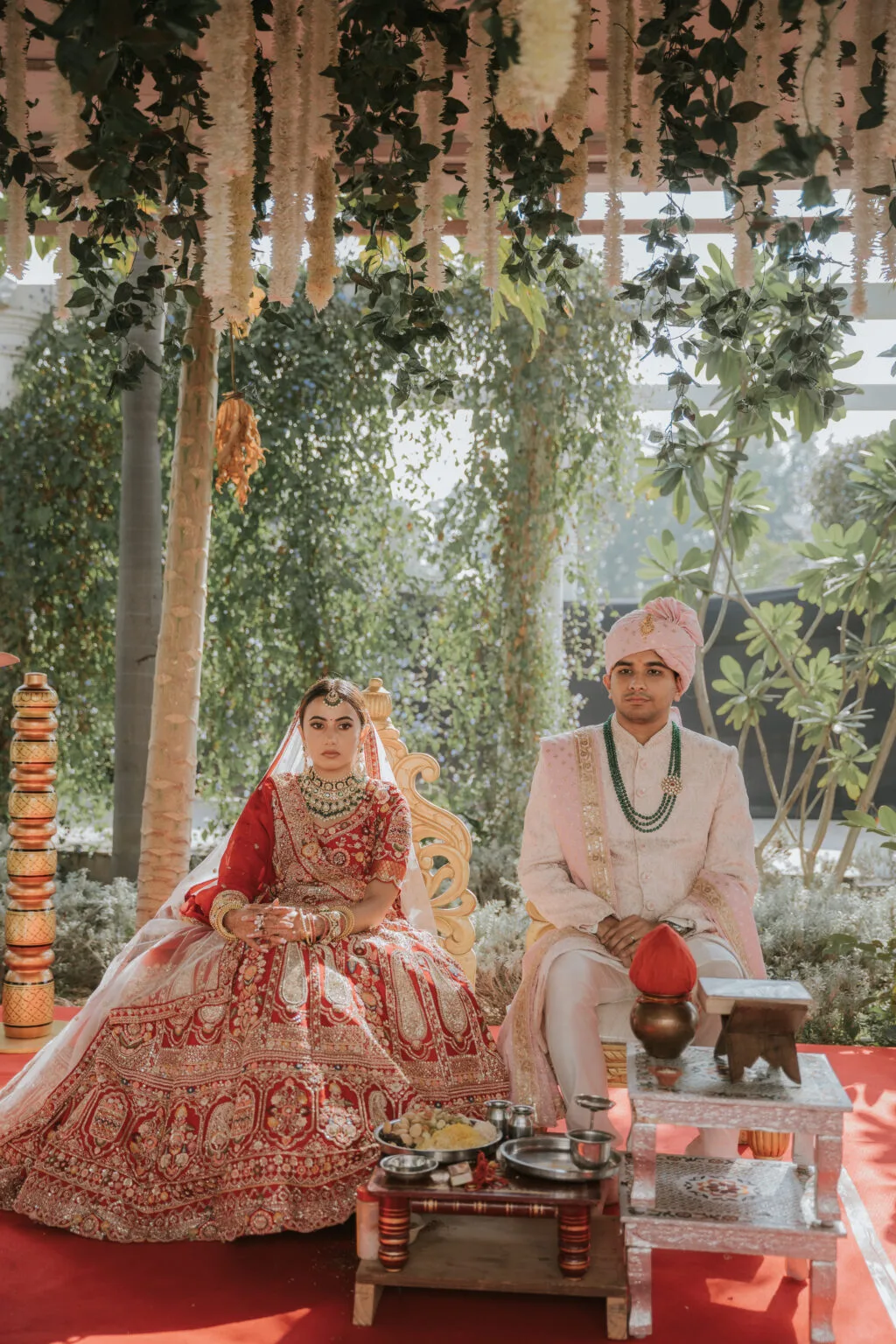
A keepsake can give a couple’s photographs a personal thread, but the object does not need to dominate every image. A letter, an old photograph or a small item connected to your relationship can support a quiet sequence when its meaning is clear. Start by deciding what you want the picture to remember. The photographer can then choose a view that connects the object to the people, instead of treating it as a prop that must be displayed in the centre of every frame.
Planning a session? Explore our couple photography service alongside this guide.
Explain the object in one sentence
Tell the photographer why it belongs to the relationship. The explanation can remain private; it simply helps the team understand whether the object deserves a close detail or an ordinary interaction. Avoid inventing a story because a keepsake looks photogenic. An everyday object with a real connection can be more useful than a decorative item bought only for the shoot. The brief should name the memory or role you want to preserve, not demand an elaborate performance around it.
Check that it can be handled safely
If the item is delicate, valuable or difficult to replace, decide who will carry it and how it can be used. The photographer should not need to move it without the owner’s guidance. Choose a stable place for detail pictures and keep the object supervised. If it cannot travel comfortably, photograph it separately at home or use another part of the story. A meaningful picture is not worth damaging the keepsake. Handling decisions should come before visual ideas.
Choose an action that feels ordinary
Reading a short note together, holding an old photograph or placing a hand beside the object can be enough. Avoid making the couple repeat an emotional scene that belongs to another time. The action should feel comfortable in the present session. Tell the photographer if you would rather the object be visible quietly than actively demonstrated. That preference can produce a more restrained picture while still preserving the connection for the people who understand it.
Protect private writing and images
A letter may reveal a personal message; an old photograph may include someone whose image you prefer not to share publicly. Decide what may be visible in the final frame and which pictures remain private. A fold, a wider composition or a view of hands can suggest the object without exposing every detail. Tell the photographer about these boundaries before the close pictures are made. It is easier to plan a discreet image than to discover a privacy concern during public sharing.
Make the couple portrait first
If the session has limited time, cover the main photographs before spending a long period on the keepsake. The object sequence can be a distinct addition. This protects the collection if the item is awkward to photograph or the planned interaction does not feel right. One clear detail and one image connecting it to the couple may be enough. You do not need several nearly identical arrangements to prove that the object was part of the shoot.
Use light and background to clarify meaning
A small keepsake can disappear in a wide photograph. The photographer may make a closer frame or choose a simpler background. Explain whether the object itself needs to be recognisable or whether you mainly want the interaction. Those are different goals. A picture of two people reading can be meaningful even when the words are not visible. A record of a distinctive inscription needs a clearer detail. Knowing the goal helps avoid an image that is too vague for either purpose.
An illustrative letter sequence
Imagine a couple brings a short letter they want to keep private. Make the main portraits first. Then photograph them reading together from a wider angle, without showing the full text. Add one close image of the envelope or a selected non-private detail if they want it. This is an illustrative example, not a client account. The sequence keeps the letter’s role visible while allowing the couple to control how much information appears.
Decide where it belongs in the collection
A keepsake image can introduce or close a sequence, but it does not have to appear between every portrait. During selection, choose the photograph that best connects the object to the people. A detail alone may be useful in an album beside a clear couple portrait. If the object is visually plain, the expression or hands may carry the meaning. Let the final sequence explain the relationship without relying on a lengthy public caption to make every frame understandable.
Keep a simpler alternative
If the object is unavailable on the day, preserve the idea through an ordinary conversation or another meaningful detail. Do not rush to buy a substitute merely to fill the planned slot. A personal concept should remain connected to something real. Tell the photographer which part of the session was essential and which was an optional keepsake sequence. That flexibility makes it easier to continue without treating the missing object as the loss of the whole story.
Discuss the idea through the couple or pre-wedding photography service page. Send a picture of the item where appropriate, a short explanation and any handling or privacy limits. The photographer can then give it the right amount of attention while keeping the relationship at the centre of the photographs.
Discuss your photography brief
Share your intended use and priorities through our couple photography service page. Fine Art Photography is based in Diu; travel assignments, coverage, editing and delivery are confirmed individually. Bring the decisions from this guide to the conversation so the proposed session can reflect what you need.
Discuss your photography brief