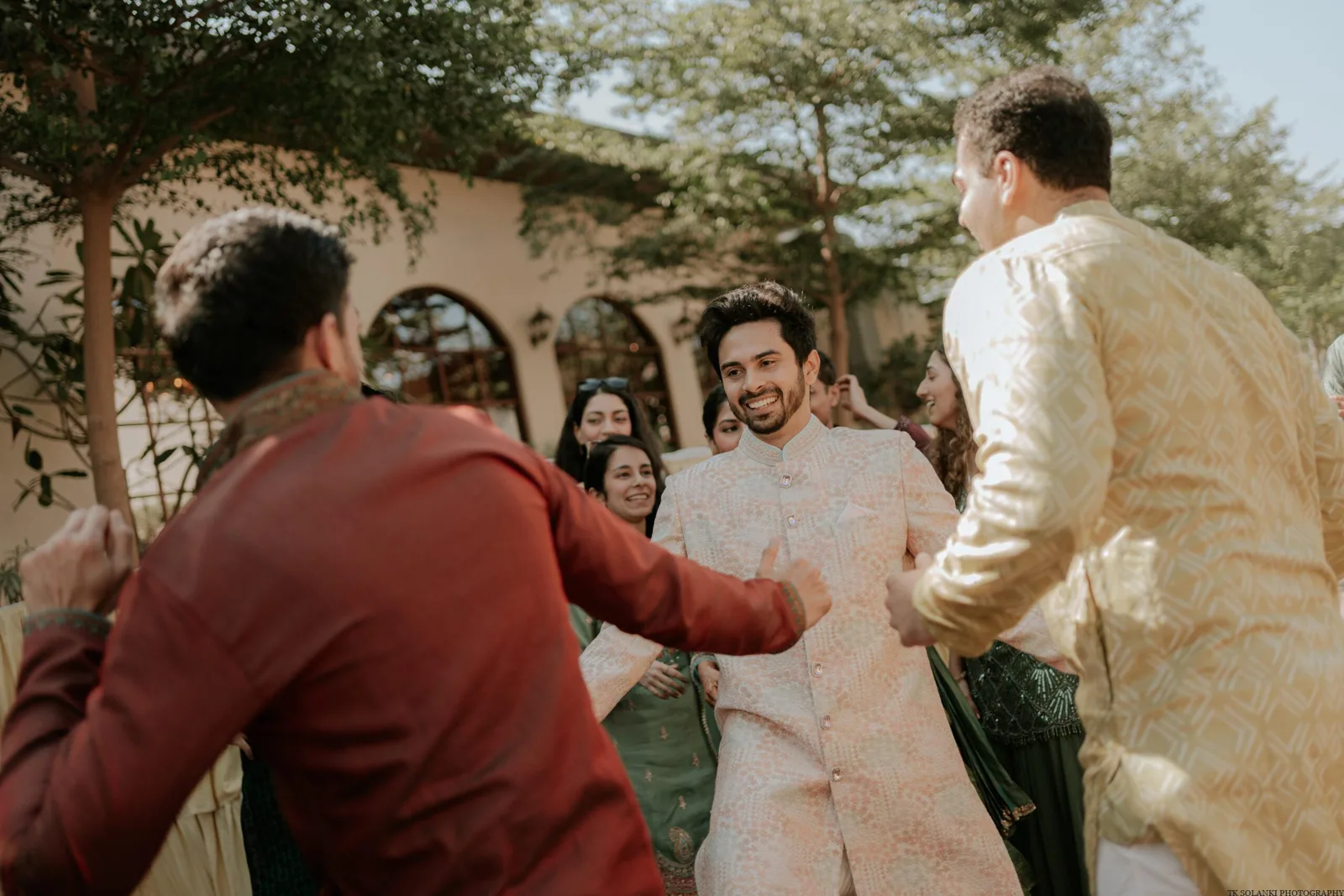
A speech photograph is often imagined as a person holding a microphone. That picture identifies the speaker, but it does not show the whole exchange. The couple listening, a relative laughing quietly or a friend recognising a shared memory can give the sequence its meaning. Good preparation helps the photographer understand where those reactions may appear and when the speech will begin. You do not need to reveal every word; you need a clear schedule, useful positions and enough room for the audience to be seen.
Planning a session? Explore our event photography service alongside this guide.
Tell the team who is speaking
Share names and relationships, particularly when several people may speak in a short sequence. A photographer arriving at the microphone cannot always know which listener matters most to each speaker. Explain whether the speech is addressed primarily to the couple, one family or a wider group. Keep personal stories private if you prefer; the relationship is usually enough. If a speech is a surprise, choose a coordinator who can give the team a quiet cue without spoiling it for the couple.
Make the start predictable
A host should tell the photographer before the first speaker begins. An announcement over a loud room may come too late for the team to change position. Put speeches in the running order and indicate whether the timing is fixed or approximate. If they move, send the update to the camera teams together. Avoid starting while the couple is elsewhere or while important guests are still arriving. Coverage works better when the people being addressed are present and able to listen.
Consider where the couple will sit
The speaker, couple and close listeners should be visible from permitted positions. A high floral arrangement, a pillar or a bright screen may block reactions. The photographer can discuss angles with the coordinator before the room fills. You do not need to rearrange the entire reception around cameras. A small change in chair direction or the microphone position may help. Check that people are comfortable and can hear; the photograph should follow a workable seating plan rather than dictate an impractical one.
Leave the speaker space to be themselves
Some people stand still; others turn towards relatives or use their hands while speaking. Tell the photographer if the speaker plans to move through the room, but avoid asking for a performance shaped around the camera. Natural gestures often give the photographs more character than a rehearsed microphone pose. A clear wider frame can establish the setting, while closer images show expression. Let the speaker address the people they came to speak to rather than repeatedly looking at the photographer.
Include the listeners without making them pose
The couple may smile, look down or exchange a glance. Guests can react at different moments. Those photographs depend on attention and a clear view, not a cue asking everyone to laugh together. Explain which relationships are important, then allow the photographer to observe. Do not ask the host to repeat a joke solely for a reaction shot. A quieter response may be more personal than a dramatic one. The resulting sequence should reflect the speech’s actual atmosphere.
Coordinate with the video and event teams
If audio and video are being recorded, ask the teams to share the microphone area without blocking one another. Photography does not automatically include an audio record of the words. Confirm that responsibility with the relevant provider if you want it. The event team may also need to manage lighting or background screens. Inform the photographer if the room will suddenly darken or a slideshow will start. These changes affect what can be seen and should not come as a surprise.
An illustrative speech sequence
Suppose a sibling gives a short speech addressed to the couple. The host warns both camera teams before introducing them. The photographer first establishes the speaker and the room, then watches the couple and the sibling’s close family for reactions. The video team keeps the agreed microphone view. This is a planning example, not a client account or a promise to capture every expression. It shows why a relationship cue and shared start time can matter more than a long list of requested reaction photographs.
Keep privacy preferences visible
A speech may mention personal information or an absent family member. Tell the team if particular parts should remain private in the final collection or should not be used publicly. The photographer cannot infer those boundaries from applause. You can select reaction images for a private album while using a different set online. If a guest does not want to be prominently photographed, communicate that request before coverage where practical. A respectful audience sequence depends on clear preferences as well as camera positions.
Build a short story during selection
Choose a frame that introduces the speaker, one or two meaningful reactions and a closing interaction where available. Several almost identical microphone photographs rarely explain more. An embrace after the speech can connect the words to a relationship; a wider audience photograph can show how the room shared the moment. Avoid selecting only the largest smile if a quieter expression is more familiar to the people involved. The sequence should help you remember the exchange, not just prove that someone spoke.
Discuss speeches through the event photography service page or as part of wedding coverage. Send the speaker names, approximate order and the person giving cues. That small amount of preparation gives the photographer a clearer story to follow when the room begins listening.
Discuss your photography brief
Share your intended use and priorities through our event photography service page. Fine Art Photography is based in Diu; travel assignments, coverage, editing and delivery are confirmed individually. Bring the decisions from this guide to the conversation so the proposed session can reflect what you need.
Discuss your photography brief