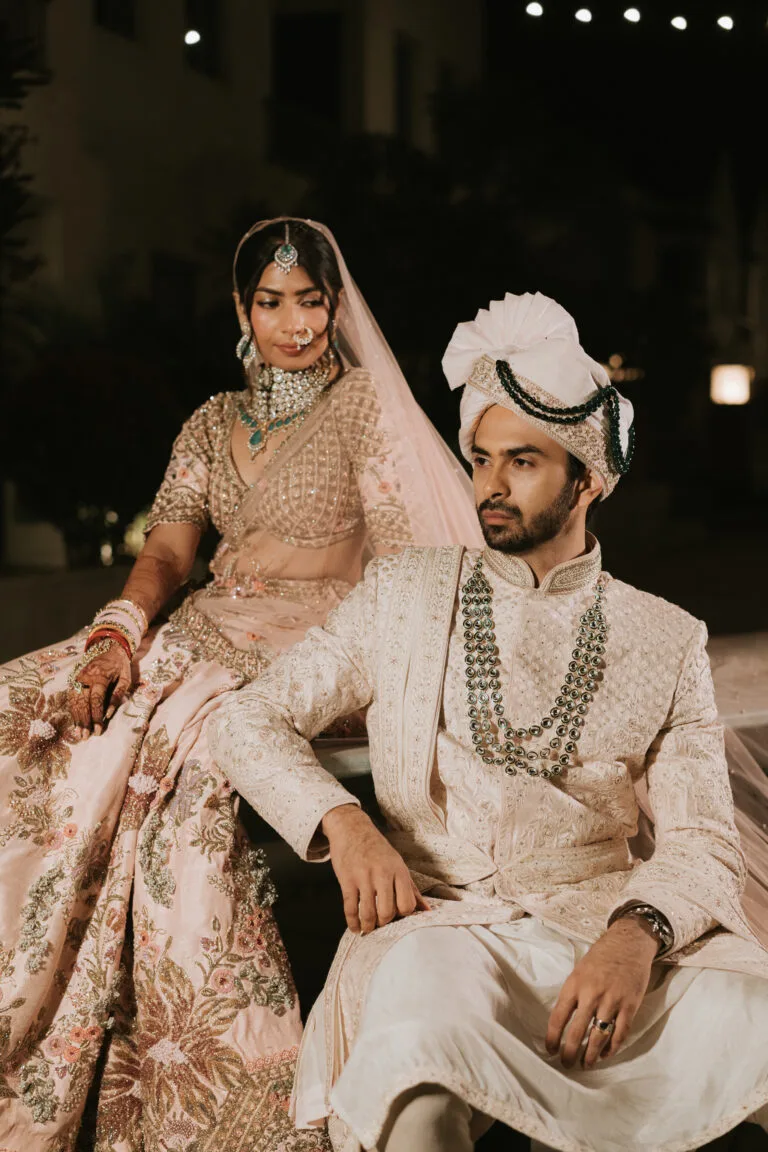
A first look is a planned meeting between the couple before the main ceremony or celebration. It can create a quiet opportunity for photographs, but it only works if both people want it. Some couples would rather see one another for the first time during the ceremony. Others value a few minutes together beforehand. There is no compulsory version. If you choose a first look, treat it as a small private meeting with photography present, rather than a performance that must produce a dramatic reaction.
Planning a session? Explore our wedding photography service alongside this guide.
Decide what the meeting is for
Talk together about what you expect. You might want a chance to settle nerves, exchange a short note, or enjoy the finished outfits before guests arrive. Those purposes call for different amounts of time and direction. Tell the photographer if one person dislikes surprises or does not want to be photographed while emotional. A first look should support the couple’s experience. If the proposed plan feels uncomfortable before the wedding, simplify it or leave it out without treating that choice as a missed opportunity.
Choose privacy before a spectacular backdrop
A beautiful staircase is not especially private if suppliers and relatives use it throughout the morning. Look for a permitted place where both people can stand comfortably and the photographer can see without crowding them. A quiet room, sheltered courtyard or uncomplicated wall may work better than a busy entrance. Confirm who manages access for a few minutes. Check whether mirrors or windows reveal someone approaching too early. Privacy is a practical condition, not something that appears automatically because the brief calls the moment intimate.
Plan arrivals separately
Choose who arrives first and where the other person waits. Keep directions simple enough to follow when everyone is dressed and carrying personal items. Ask a trusted helper to coordinate the final movement so the couple does not have to manage it by phone. Avoid making one person stand in the sun or in an uncomfortable pose while the other is delayed. The photographer can agree an ordinary waiting position and begin once both people are ready. A short delay is easier to handle when someone else owns the coordination.
Give one direction, then allow a reaction
A turn towards the other person, a gentle touch on the shoulder, or simply walking into view can provide the opening. You do not need several rehearsals to manufacture a reveal. Explain any direction beforehand and leave space afterwards. The couple may laugh, talk quietly, embrace or remain still. Those responses are equally valid. Ask for photographs that reflect what happens rather than a list of expressions. The photographer can guide a few portraits later, after the meeting has had room to be itself.
Keep the audience small
Decide whether anyone else will be present. Parents or friends may want to watch, but a larger group can turn a private exchange into an event with an audience. If you want relatives included, consider a separate family reveal rather than adding them unexpectedly. Make the arrangement clear to the helpers who bring you to the setting. Also agree whether behind-the-scenes phone pictures are welcome. A discreet photography team cannot provide privacy if several other people are recording over its shoulders.
Leave a transition after the meeting
A first look followed immediately by a crowded group portrait can feel abrupt. Allow a short transition for conversation, checking clothing and moving to the next part of the day. If you plan couple portraits afterwards, agree which photographs matter and how much time is actually available. Keep the ceremony schedule visible. A first look should not consume the only buffer before a fixed start. If preparation runs late, reducing the portrait sequence may protect the private meeting better than rushing both together.
An illustrative schedule with a realistic fallback
Suppose you have twenty minutes available before a family commitment. Use the first part to bring both people to the setting without an audience. Let the meeting happen, then make a small number of relaxed portraits if time remains. If one person is not ready, keep the private conversation and drop the additional portrait ideas. The exact minutes should be agreed with your team; this example illustrates priorities rather than a guaranteed timeline. The fallback protects the meaning of the meeting instead of demanding that every planned photograph still fit.
Handle notes and gifts thoughtfully
If you are exchanging letters, decide whether you will read them silently or aloud. Ask whether the contents should remain private and whether close photographs may show the writing. For a gift, explain if it needs help to open or fasten. Avoid adding several surprises that make the meeting feel like a sequence of instructions. A single meaningful exchange can be enough. Tell the photographer which details matter, but leave the wording and reaction to the people involved. Personal information does not need to be visible to make a photograph meaningful.
Review the plan together
Before the day, both people should understand the setting, who attends and what happens next. Ask the photographer how the meeting will be covered and whether any lighting setup needs preparation. Confirm a rain alternative if the setting is outside. Share one version with the helper responsible for arrivals. You should not have to explain the plan while standing in wedding clothes at the meeting point.
Fine Art Photography’s wedding service page is the place to connect this idea with your wider coverage. Mention whether the first look is a priority, an optional addition or something you prefer to skip. The useful decision is the one that gives both people a comfortable experience and photographs they recognise as their own.
Discuss your photography brief
Share your intended use and priorities through our wedding photography service page. Fine Art Photography is based in Diu; travel assignments, coverage, editing and delivery are confirmed individually. Bring the decisions from this guide to the conversation so the proposed session can reflect what you need.
Discuss your photography brief