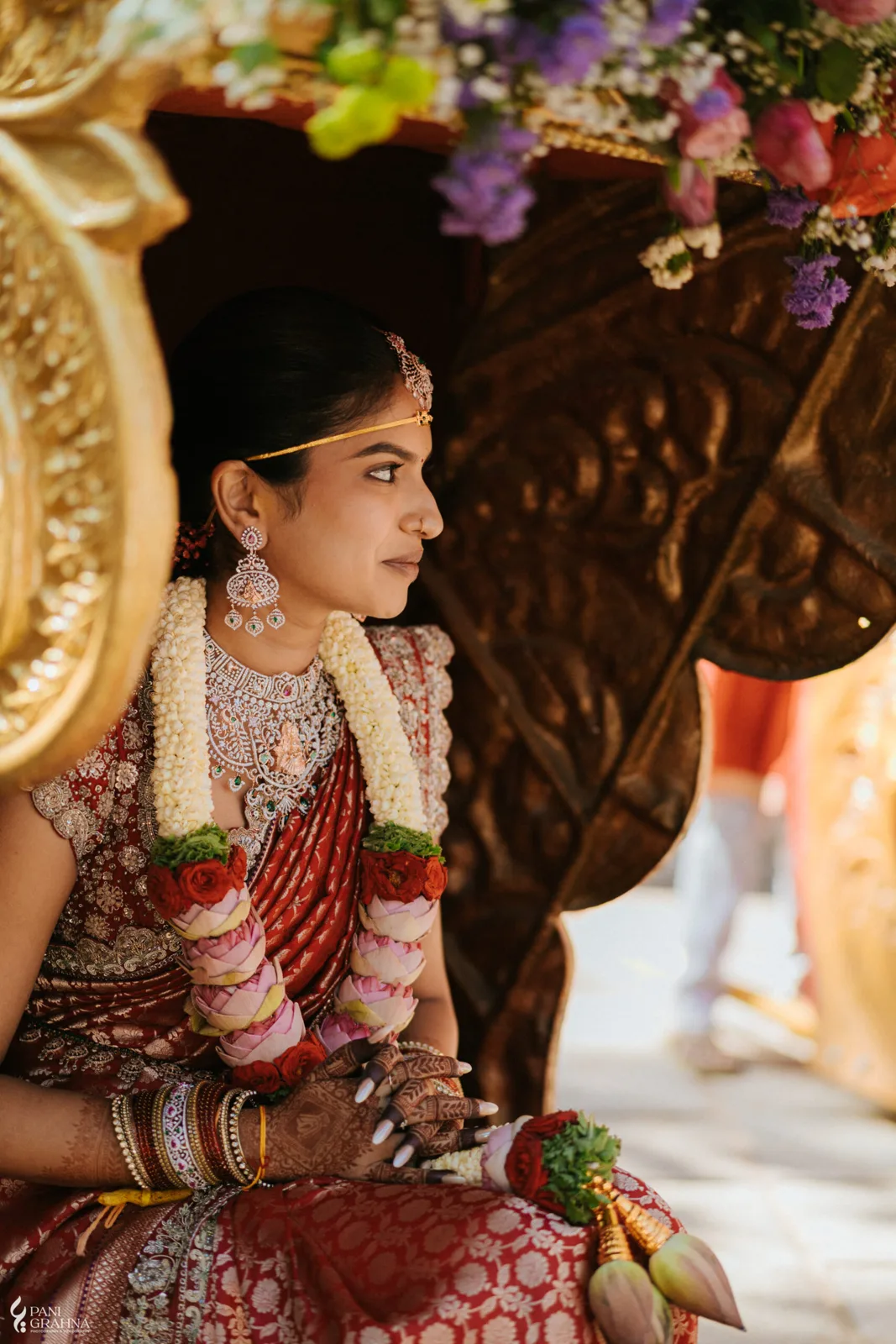
A wedding detail photograph can preserve something you might otherwise forget: the edge of a handwritten note, an inherited piece of jewellery, or the fabric someone helped you choose. The difficulty is deciding which objects deserve attention without turning preparation into a prolonged styling exercise. A small, meaningful selection usually gives the photographer a clearer story than a room full of loosely related accessories. Start with what the objects mean and how much time you want to spend arranging them.
Planning a session? Explore our wedding photography service alongside this guide.
Make a meaningful shortlist
Choose a few objects you would genuinely like to remember in detail. They might include a ring, a family keepsake, a piece of clothing or a note from someone important. Write a brief explanation beside anything whose significance is not obvious. A plain brooch can matter more than the most expensive accessory in the room. Give the photographer that context before the day. The shortlist should guide attention, not require every object to appear in the same carefully arranged overhead photograph.
Decide which objects stay on the person
Some details look more personal when being worn or used. A bracelet being fastened, shoes just before someone leaves, or a parent adjusting an outfit can connect the object to a relationship. Ask for both a clear detail and an image of its place in the day where practical. This approach can reduce the time spent borrowing items for a separate arrangement. If jewellery must stay on the person for cultural or personal reasons, say so; the photography should adapt to that preference.
Prepare one simple place to work
If you want a short still-life sequence, clear a stable surface near suitable light. Remove unrelated packaging, drink bottles and spare hangers. A clean piece of fabric may provide a backdrop, but do not buy a large collection of props solely because a reference image uses them. Tell the photographer about surfaces that cannot be moved or touched. Keep valuable items supervised. A tidy area helps the team work efficiently and makes it less likely that something important is misplaced among ordinary preparation clutter.
Coordinate timing with getting ready
Rings, shoes and clothing may be needed by different people at different times. Agree when objects can briefly be photographed and when they must return. Ask one helper to gather the selected items rather than expecting the couple to search while dressing. If a makeup artist or dresser needs an accessory, that practical need comes first. A detail sequence should fit around preparation. The photographer can photograph an object being used later instead of delaying someone because it has not yet been arranged on a table.
Be careful with private information
Invitations and handwritten letters may reveal addresses, phone numbers or personal messages. Decide what can appear in photographs and which images may be shared publicly. You can fold a letter to show handwriting without revealing the whole message, or photograph the envelope rather than its contents. Make these choices before image selection. Do not assume an object is suitable for social media because it is already part of the wedding. Private details can remain in a personal gallery while other photographs tell the same story publicly.
Let the photographer simplify the composition
A detail picture becomes harder to read when flowers, boxes, stationery and jewellery all compete for attention. Explain the main subject, then allow the photographer to remove distractions with your agreement. One object may need an uncluttered close photograph; another can sit within a wider preparation scene. The useful question is whether you can identify what matters at the size you will view or print. An arrangement that looks impressive on a large screen may lose its meaning when reduced to a small album panel.
An illustrative five-object plan
Imagine you choose a ring, an inherited pendant, a handwritten note, shoes and a fabric detail. Put the ring and pendant in a safe container with one helper responsible for returning them. Photograph the note without revealing its full text. Leave the shoes where they will be put on, so the action can be included naturally. Capture the fabric once the outfit is ready. This example is a planning illustration, not a client story. It creates different kinds of photographs without requiring five separate styled sets.
Choose what to drop if time becomes tight
Separate essential keepsakes from optional decorative details. If preparation runs late, preserve the photographs involving people and the objects with personal meaning. A box, perfume bottle or spare invitation can be omitted if it does not add anything important. Tell the photographer which item must not be overlooked. That clear priority is more helpful than asking for every detail to receive equal time. It also gives the team permission to keep the schedule moving without guessing which object carries the most significance.
Think about the eventual album
Detail photographs work well when they support the larger story. A close image of jewellery can sit beside the portrait where it is being worn; a note can introduce the preparation chapter. You do not necessarily need an entire spread of accessories. During selection, choose details that connect to people or events elsewhere in the collection. Ask about crops if you expect to use a small album layout. A few clear pictures can preserve more meaning than a large group of almost identical arrangements.
Discuss your detail priorities through the wedding or bridal photography service page. Send the shortlist and any handling or privacy instructions with the main brief. The best preparation is modest: meaningful objects ready, someone responsible for them, and enough context for the photographer to understand why they belong in the story.
Discuss your photography brief
Share your intended use and priorities through our wedding photography service page. Fine Art Photography is based in Diu; travel assignments, coverage, editing and delivery are confirmed individually. Bring the decisions from this guide to the conversation so the proposed session can reflect what you need.
Discuss your photography brief