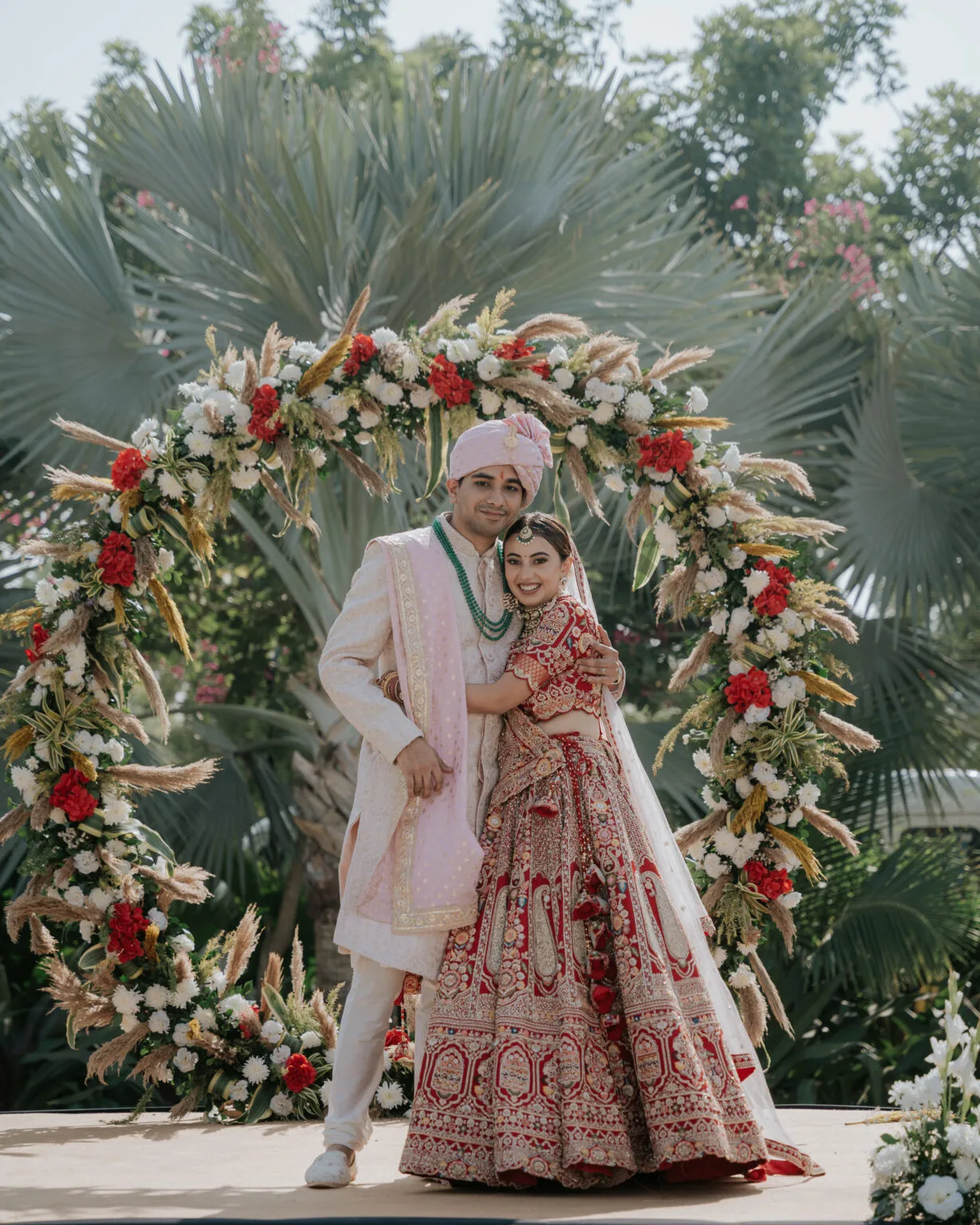
The final week is a good time to remove uncertainty. Confirm access, clothing, transport and the agreed concept, then stop adding unnecessary ideas. A clear plan allows the couple to arrive prepared without feeling responsible for managing the entire session.
Confirm the actual booking details
Check the date, arrival point, planned shooting window and team contact in one message. Make sure both people know which version is final. A location pin should identify the entrance or meeting point, not simply the middle of a large property.
Recheck permission and access
Confirm the approved activities, available spaces and any equipment restrictions with the responsible person. Ask about changing facilities and closing times. Keep the contact accessible so a reception or security question can be resolved calmly on arrival.
Try complete outfits
Wear clothing with the intended shoes and accessories. Sit and walk to identify adjustments before packing. Group each look together and keep delicate items protected. Do not rely on remembering every accessory when preparations are busy on the morning of the session.
Share the final visual direction
Send the edited mood board and explain the essential concept. Mark experiments as optional. Avoid introducing a completely new theme in the final hours unless the photographer confirms its feasibility; it can affect equipment, access and the whole sequence.
Make transport boring and reliable
Plan the route, parking and walking time. Add a buffer that suits the setting and preparation routine. Confirm who carries bags and whether a companion is useful. Extra companions should have a role rather than giving the couple competing instructions throughout the session.
Pack for ordinary comfort
Bring water, appropriate transition footwear and the small adjustments your outfits need. Include only props already agreed for the concept. Personal comfort matters because the session involves waiting and movement, not just the moments visible in the final photographs.
Agree the backup and delivery discussion
Know who decides if conditions change and which alternative remains workable. Ask how selections and delivery will be discussed afterwards. Getting those questions settled before the session prevents the couple from trying to manage practical uncertainty while being photographed.
A worked planning example
ILLUSTRATIVE EXAMPLE · NOT A CLIENT CASE STUDY
Three days before the session, a couple discovers their planned changing room is unavailable. Reduce the outfit plan and confirm a practical alternative immediately. Solving that access issue is more valuable than saving another twenty poses that cannot fit the available time.
Preparation should reduce work on the day, not create another list that becomes impossible to finish. Distinguish decisions that affect access or safety from optional visual ideas. Confirm the former first. If something optional remains unresolved, ask whether the session can work without it rather than arranging it hurriedly at the last moment. Keep one person responsible for communicating a practical change. Rest, ordinary comfort and a manageable arrival plan are useful parts of preparation too. The couple should not need to act as coordinators, stylists and subjects simultaneously for the session to begin.
If you want a simpler plan
If preparation becomes overwhelming, prioritise access, arrival, clothing and the essential concept. Confirm the backup and leave optional props or new references aside. Send one final message with the decisions that affect the photographer's work. Keep a helper's role specific so the couple is not receiving several competing instructions. A clear basic plan is enough to begin well, allowing the team to respond to the actual space and people instead of waiting for every last-minute styling idea to be completed.
Try this before the session
Write one final preparation message containing arrival details, approved access, tested outfits, the essential concept and the backup contact. Read it as if somebody else must use it without asking additional questions. Check the entrance pin, transport buffer and where clothing changes happen. Remove unresolved optional ideas or ask the photographer to assess them now. Keep the final message accessible to both people and any helper. This gives the session a reliable starting point and reduces the temptation to manage several contradictory versions of the plan while travelling or getting ready.
Keep the session comfortable for both people
Discuss the concept together before sending the final brief. One person may enjoy a more directed style while the other prefers quiet interaction, so name those preferences and choose a workable starting sequence. Agree who manages bags or outfit help if a companion is coming, leaving the photographer room to give clear directions. Check that the setting and actions support both people rather than only the mood board. A short pause or simpler gesture is a useful adjustment when something feels uncomfortable. Treat optional experiments as additions after the main photographs are covered. The final collection should give you images you recognise and want to use, even if the session produces a different version of the idea than the references first suggested.
Your practical checklist
- Final booking message
- Entrance pin
- Access confirmation
- Tested outfits
- Edited board
- Transport buffer
- Backup contact
Questions worth asking
Should we keep adding inspiration until the day?
Keep new references only if they clarify the agreed concept. Too many late changes can make the brief harder to follow.
What should a companion do?
Help with bags, outfits or coordination when needed, while leaving space for the photographer's directions and the couple's interaction.
Put the guide into practice
Fine Art Photography is based opposite SBI Bank in Diu. Use the pre wedding photography service page to discuss the assignment itself, including availability, scope and delivery. Share the essential idea, intended use and practical access when you enquire. Travel assignments are confirmed individually. This guide is preparation advice; dates, coverage, editing requests and final deliverables should be agreed directly for your session.
Discuss your photography brief