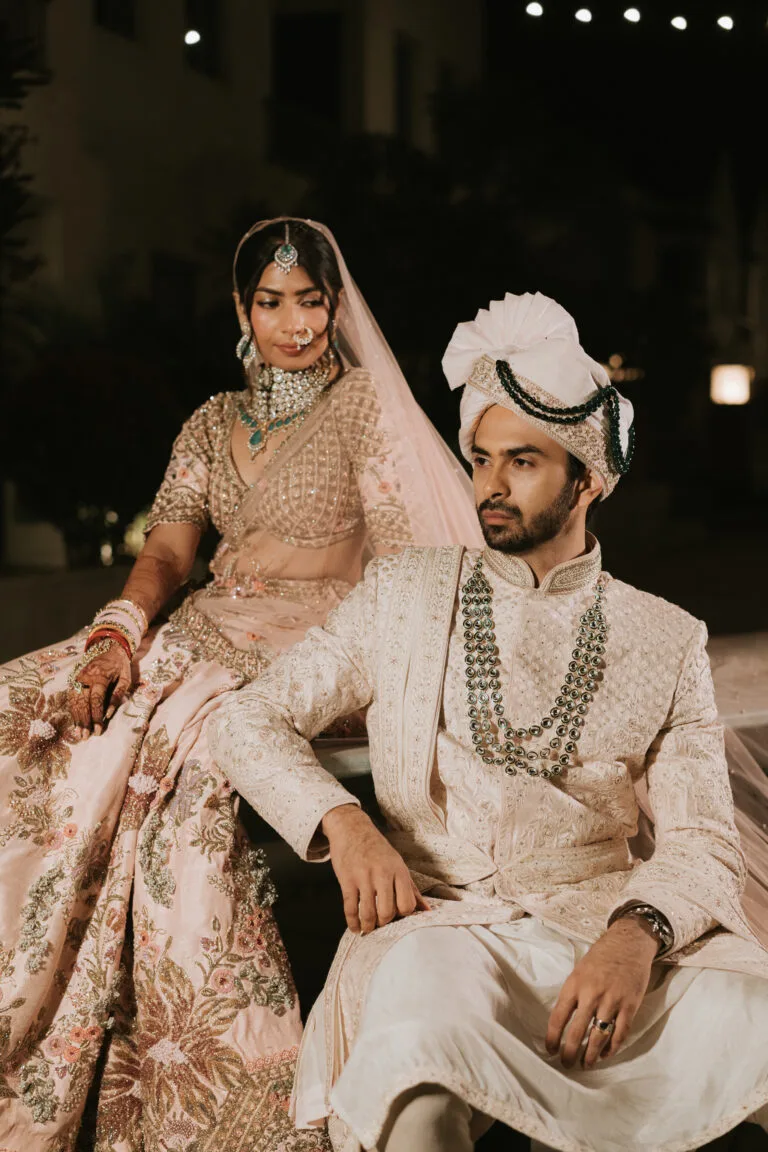
Choose a shooting window by its practical conditions as well as its atmosphere. An early start and an evening session create different demands on preparation, crowds and energy. The most useful option is the one the couple and setting can support comfortably.
Check access before choosing light
Confirm when the setting opens and whether professional photography is permitted during the desired window. A public opening time may differ from an approved shoot slot. Do not complete styling and transport plans around a session the property cannot accommodate.
Work backwards from readiness
Add dressing, hair, travel and a buffer before the first planned photograph. An early session may require preparation before daylight. Discuss whether that fits your energy and support arrangements rather than choosing it only because a reference image looks quiet and romantic.
Consider the people and background
Think about likely activity, noise and available working space. Crowds can affect comfort and access, while a quiet setting may help a shy couple settle. The photographer should assess the actual environment instead of assuming one time of day is always empty.
Plan the essential images first
Put the most important concept inside the usable light window and keep outfit changes outside it when practical. Decide which frames remain possible after the preferred light changes. This prevents the entire session from depending on a single brief condition.
Prepare for changing conditions
Cloud, wind and shade can alter the look. Ask the team how the concept can adapt without becoming a completely different shoot. Keep a covered alternative and realistic expectations; a sunrise or sunset booking does not guarantee a specific sky colour.
Match clothing to the session
Consider comfort, layering and footwear during the chosen window. Avoid carrying so many options that transitions consume the session. If clothing moves in the wind, practise how you will handle it safely and make sure you can walk between the planned backgrounds.
Keep the finish realistic
An evening session may become darker; a morning session may get brighter and busier. Agree how the sequence ends and whether additional lighting is planned or permitted. Finish with the essential collection covered instead of extending indefinitely in search of a promised sky.
A worked planning example
ILLUSTRATIVE EXAMPLE · NOT A CLIENT CASE STUDY
A couple likes sunrise references but needs a long preparation routine and cannot access the setting early. Choose an approved evening window or simplify the styling. A beautiful idea that makes everyone arrive stressed and late may leave less useful light than a practical alternative.
Different shooting windows can affect who helps with the session. Confirm whether a stylist, companion or property contact is available at the chosen time. A couple can be ready while access remains unresolved, so check those details separately. Consider when you usually feel comfortable and energetic rather than copying another person's early-start plan. Ask the photographer how the essential sequence can work under less dramatic conditions. If the preferred sky appears, enjoy it; if it does not, the session should still have a coherent collection of photographs that fits the concept and the people.
If you want a simpler plan
When choosing a single window, confirm access and preparation first, then ask the photographer how the essential images can work in the available conditions. Keep the outfit plan manageable and the arrival route clear. Remove any concept that depends entirely on an unconfirmed sky or restricted area. The session should still produce a coherent collection if conditions are ordinary. Choose a time both people can reach comfortably, rather than making the preparation routine more demanding solely to imitate another couple's references.
Try this before the session
Write the full preparation routine for the morning and evening options. Include dressing, travel, access and the time needed to settle into the first sequence. Ask the setting manager what is actually permitted in each window and compare likely working conditions with the photographer. Choose the version that protects the essential concept and feels manageable for both people. Keep a simple alternative if the preferred sky does not appear. A practical comparison is more useful than choosing by a universal claim about one time of day always producing better photographs.
Keep the session comfortable for both people
Discuss the concept together before sending the final brief. One person may enjoy a more directed style while the other prefers quiet interaction, so name those preferences and choose a workable starting sequence. Agree who manages bags or outfit help if a companion is coming, leaving the photographer room to give clear directions. Check that the setting and actions support both people rather than only the mood board. A short pause or simpler gesture is a useful adjustment when something feels uncomfortable. Treat optional experiments as additions after the main photographs are covered. The final collection should give you images you recognise and want to use, even if the session produces a different version of the idea than the references first suggested.
Your practical checklist
- Approved access
- Preparation start
- Travel buffer
- Crowd expectations
- Essential concept
- Weather alternative
- Finish plan
Questions worth asking
Is sunrise always better for photographs?
No. Access, light direction, weather and personal comfort vary. Discuss the actual setting rather than choosing by a universal rule.
Can sunset colours be guaranteed?
No. Plan photographs that can work in changing conditions and treat a particular sky as a possible bonus.
Put the guide into practice
Fine Art Photography is based opposite SBI Bank in Diu. Use the pre wedding photography service page to discuss the assignment itself, including availability, scope and delivery. Share the essential idea, intended use and practical access when you enquire. Travel assignments are confirmed individually. This guide is preparation advice; dates, coverage, editing requests and final deliverables should be agreed directly for your session.
Discuss your photography brief