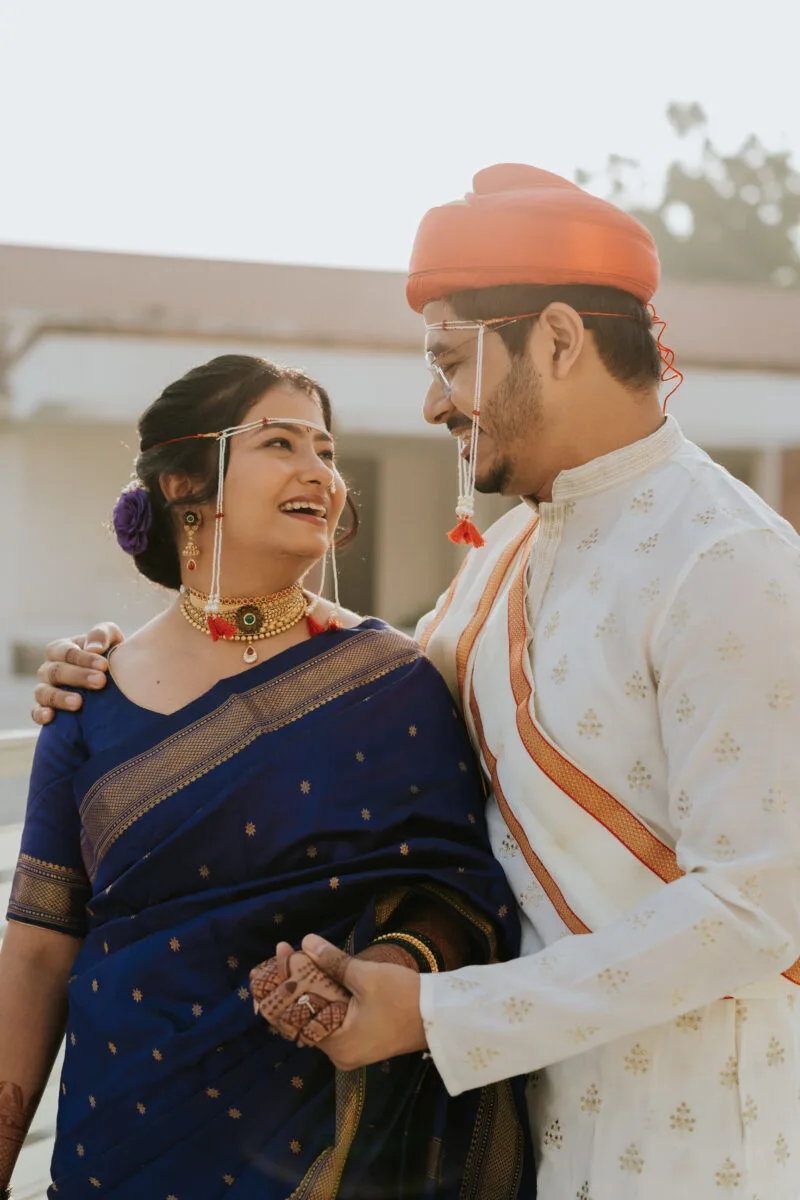
Variety can come from distance, expression, movement and light. It does not have to come from another suitcase of clothing. Plan a few distinct ways to photograph the same look and give each sequence a reason to belong in the collection.
Choose a flexible outfit
Check that the clothing works while standing, sitting and walking. Comfort gives the photographer more options than an outfit that only looks right in one rigid position. Keep any accessory changes small enough to happen without breaking the rhythm of the session.
Change the camera distance
Include environmental views, medium portraits and close expressions. Each reveals something different: the setting, the relationship or a small gesture. Avoid making every frame a full-length portrait just because the outfit is important; the people should remain part of the collection.
Use movement for a distinct sequence
A walk, turn or gentle seated interaction can create a different mood from a still portrait. Choose actions that suit the clothing and surface. Keep movement comfortable rather than increasing its size merely to make the photograph appear more dramatic.
Find a calmer background nearby
Move from a wider scene to a simple wall or sheltered corner within easy reach. This changes the visual emphasis without a major journey. Check the light and access first so the new background is genuinely useful rather than only different.
Add hands and personal details
A close frame of an accessory, shared object or relaxed hand placement can break up the sequence. Include these because they contribute to the concept. Repeated detail images with no relation to the couple may create quantity without adding much meaning.
Let expression change naturally
Include a composed portrait, a quieter interaction and a more playful action if those feel comfortable. Different expression should come from how you engage with each other. Avoid insisting on a laugh in every frame or making a serious mood seem wrong.
Edit for differences you can describe
Choose favourites by identifying what each adds. If two images have the same framing and expression, keep the stronger one in the main selection. The alternative can remain in the private gallery while the shared sequence stays clear and varied.
A worked planning example
ILLUSTRATIVE EXAMPLE · NOT A CLIENT CASE STUDY
A couple has one favourite outfit and limited changing access. Begin with a wider walking sequence, move to seated close portraits and finish with a graphic silhouette if conditions allow. The collection gains variety because the images perform different roles, not because the clothes keep changing.
A one-outfit plan can also reduce attention spent on appearance during the session. Once clothing is settled, focus on expression, distance and interaction. Keep the most useful personal portrait early enough that it does not depend on a final dramatic effect. If a small accessory change adds a new mood, include it without breaking the whole sequence. During selection, arrange images by what they contribute: context, connection, detail and a clear portrait. The outfit can remain consistent while the photographs feel varied because the camera and people are doing different, purposeful things.
If you want a simpler plan
If the session is short, keep one outfit and a nearby sequence of wider, closer and detail images. Begin with the most useful personal portrait, then add movement if the clothing and space allow it. Change the angle or action when it contributes something visible. Do not introduce another backdrop simply because several images have already been made. A compact collection can feel varied when each frame has a clear role and the couple has time to engage comfortably with the photographer.
Try this before the session
Make a small sequence plan using one outfit. Start with an environmental view, then add a closer portrait, a comfortable action and a detail that belongs to the people. Find backgrounds within easy reach and check whether each changes the emphasis meaningfully. Remove frames that repeat the same expression and distance without adding anything. Ask the photographer to review the sequence and identify the essential image first. This shows where variety can come from photographic choices, leaving clothing changes optional instead of treating another outfit as the automatic answer to every visual repetition.
Keep the session comfortable for both people
Discuss the concept together before sending the final brief. One person may enjoy a more directed style while the other prefers quiet interaction, so name those preferences and choose a workable starting sequence. Agree who manages bags or outfit help if a companion is coming, leaving the photographer room to give clear directions. Check that the setting and actions support both people rather than only the mood board. A short pause or simpler gesture is a useful adjustment when something feels uncomfortable. Treat optional experiments as additions after the main photographs are covered. The final collection should give you images you recognise and want to use, even if the session produces a different version of the idea than the references first suggested.
Your practical checklist
- Flexible clothing
- Wide frame
- Close portrait
- Movement sequence
- Calm background
- Meaningful detail
- Varied favourites
Questions worth asking
Will one outfit make the gallery repetitive?
Not necessarily. Different framing, actions and backgrounds can create variety when they are planned thoughtfully.
Should we change accessories between every image?
Use changes when they add something useful. Constant adjustment can interrupt natural interaction and reduce actual shooting time.
Put the guide into practice
Fine Art Photography is based opposite SBI Bank in Diu. Use the pre wedding photography service page to discuss the assignment itself, including availability, scope and delivery. Share the essential idea, intended use and practical access when you enquire. Travel assignments are confirmed individually. This guide is preparation advice; dates, coverage, editing requests and final deliverables should be agreed directly for your session.
Discuss your photography brief