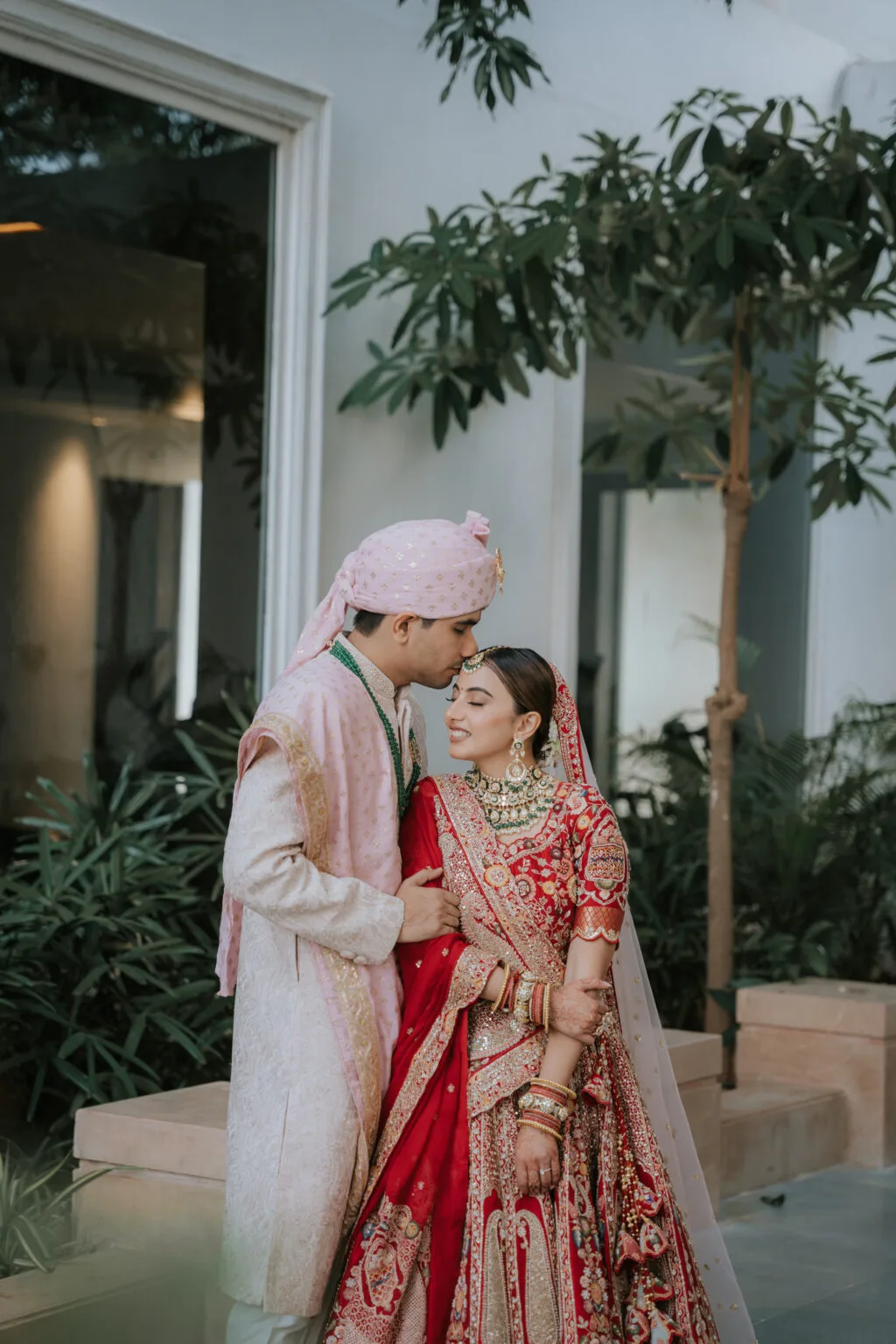
A short portrait session can produce a clear, useful collection when the main outcome is agreed first. It becomes crowded when a profile picture, several outfits, a family group and a creative experiment all compete for the same time. Instead of collecting ideas indefinitely, decide which photograph needs to work and build a small sequence around it. Session length, coverage and deliverables should be confirmed directly with the photographer; this guide helps you prepare a focused brief.
Planning a session? Explore our portrait photography service alongside this guide.
Name the main photograph you need
Explain the primary use in one sentence. Perhaps you need a welcoming business portrait, a personal framed image or a small series showing a particular mood. A defined purpose makes setting, clothing and composition decisions easier. If you cannot identify the main outcome, ask which use is most immediate. Other ideas can remain optional. A short session benefits from a clear order of importance rather than a list in which every picture is described as essential.
Choose a setting that supports the brief
Look for a practical setting where the intended portrait can be made without repeated moves. Discuss access, space and any restrictions with the photographer. A visually interesting place is not automatically efficient if it requires long walks or waiting for a clear background. Keep the choice connected to the person and intended image use. If a second setting is important, ask what the move would mean for the available photography time before confirming it.
Prepare one reliable outfit first
Choose clothing that feels comfortable and suits the planned use. Try it while sitting, standing and moving naturally, rather than judging it only on a hanger. If an additional outfit is proposed, discuss where the change happens and whether it adds enough variety to justify the time. A small adjustment such as removing a jacket may serve the purpose more easily. Do not assume several complete changes belong in a short session simply because the ideas are attractive.
Share practical requirements before arrival
Mention any required orientation, space for text or intended frame shape. If another person has provided an image brief, send it to the photographer in advance. Include relevant comfort or access needs without waiting for the session to begin. These details help the team plan a useful starting arrangement. A short session leaves less room to discover that the main portrait needs a different shape, background or setup from the references discussed earlier.
Begin with a comfortable, straightforward picture
An ordinary starting portrait can help the person settle into the session and give the collection a dependable base. The photographer can guide position and expression without beginning with the most unusual idea. Once the main purpose is covered, small variations become easier to judge. This is not a guarantee about how many images will be made. It is a useful priority: establish a picture that serves the brief before spending limited time on an experiment.
Add variety through small decisions
A slight change in angle, posture or distance can give images different uses without a complete reset. A wider composition may leave room for words, while a closer portrait may work as a profile. Discuss which variations matter most. Avoid making every frame different just for the sake of difference. Useful variety keeps a recognisable connection to the person and purpose, while giving you choices that solve actual presentation needs later.
An illustrative priority plan
Imagine a person needing a clear profile portrait and a wider image for a website introduction. The brief uses one outfit and one setting, with the profile as the main priority. A more expressive portrait is optional if the session allows it. This is a planning example, not a promised package or a required sequence. The photographer should confirm what is practical within the actual arrangement, setting and time available.
Keep companions and belongings organised
If someone comes to help, give them a practical role such as managing a bag or checking a clothing detail. Too many competing directions can make a short session feel rushed. Put belongings where they will not interrupt the setup and bring only what the brief needs. If a personal object is important to the portrait, mention it before arrival. Preparation should make the person more comfortable, not create a complicated set of tasks they have to manage while being photographed.
End with clarity about the next step
Before leaving, confirm the agreed selection and delivery process. If the portrait is needed for a particular use, check that the relevant requirement is recorded. Avoid introducing a new urgent purpose after the session when it would have changed the composition. A focused brief does not make photography mechanical. It creates enough clarity for the person and photographer to work comfortably, with the most useful outcome receiving the attention it deserves.
Use the portrait photography service page to share the intended use, preferred setting and any fixed requirements. Ask the team which priorities suit a shorter session and confirm the arrangement directly. A small, deliberate brief can be more useful than a crowded list of unrelated photographs.
Discuss your photography brief
Share your intended use and priorities through our portrait photography service page. Fine Art Photography is based in Diu; travel assignments, coverage, editing and delivery are confirmed individually. Bring the decisions from this guide to the conversation so the proposed session can reflect what you need.
Discuss your photography brief