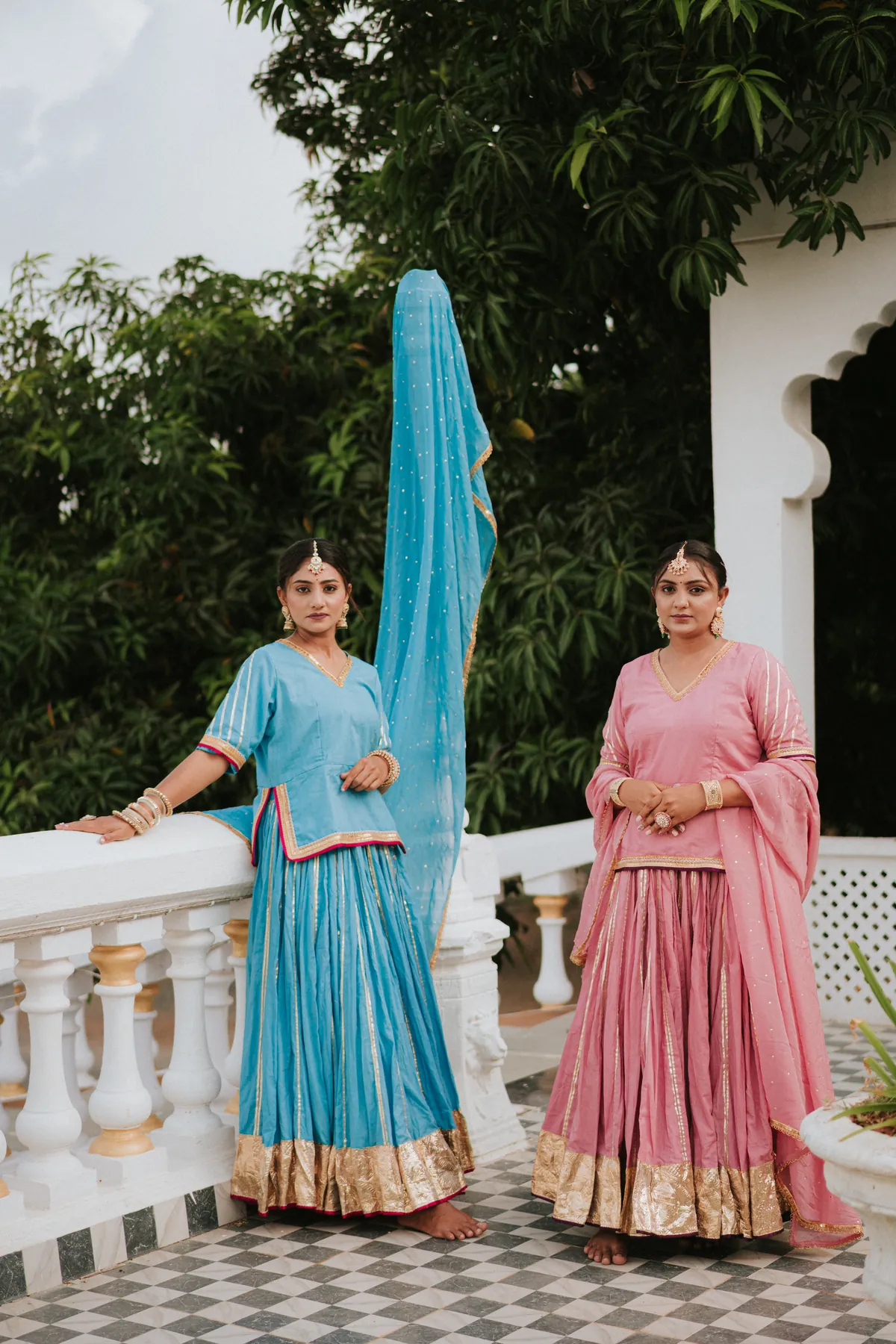
A diptych places two photographs beside one another so their relationship becomes part of the artwork. The pair might contrast a wide view with a close detail, show a person and a meaningful object, or connect two different expressions. Planning the pair before the shoot can create a stronger result than choosing any two favourite images afterwards. Decide what the viewer should notice when the photographs are seen together. Each image should work on its own, while the pairing adds something neither one explains fully alone.
Planning a session? Explore our portrait photography service alongside this guide.
Choose the relationship between the two frames
Start with a simple idea: context and detail, stillness and movement, or two connected people. Avoid using contrast merely because the pictures look different. Explain what joins them. A wider portrait and a close image of hands can show both identity and activity. Two nearly identical portraits may form a quieter study of expression. The photographer needs to understand that relationship so the framing and sequence can support it deliberately.
Decide how the pair will be displayed
A horizontal arrangement, vertical pair and two separate prints create different visual demands. Tell the photographer about the intended display, including any approximate frame proportions. The images may need similar margins or compatible crops. Do not assume that two tight portraits can later be reshaped without losing important details. If the display format is undecided, ask for a little flexibility in the framing. A practical discussion early can save difficult layout choices after the session.
Use continuity selectively
The pair can share light, colour, a background or an object, but it does not need to match in every way. Choose the elements that make the connection readable. If one image is deliberately darker or closer, explain why. The photographer can keep that difference intentional while preserving a common thread. Too much matching can make the pair redundant; too little can make it feel accidental. A clear concept is more useful than a rule that both pictures must look equally dramatic.
Give each picture a specific task
Write one sentence for each frame. For example, the first shows the person within a quiet room and the second shows the object that gives the room meaning. Those tasks help decide what should remain visible. The photographer can remove irrelevant distractions and use different distances appropriately. Avoid asking both images to show everything. A diptych works because each frame can focus, while the pair shares the information between them.
Consider how the eye moves across the pair
A person’s gaze, a line in the setting or the position of an object can influence how the images read together. Discuss whether the subjects should seem connected across the centre or deliberately face away from one another. You do not need to force a complicated visual trick. A small change in direction can create a different relationship. Review the proposed layout with the photographer where practical. The image made for the left side may not work identically on the right.
Keep the session open to alternatives
Make the planned pair, then allow a few useful variations. A different expression or detail may create a stronger connection during selection. Do not let the concept prevent ordinary portraits that you also want to keep. Explain whether the diptych is the main purpose or a creative addition. The photographer can prioritise accordingly. A paired artwork does not require the whole gallery to be built from matched sets unless that is the agreed brief.
An illustrative person-and-object diptych
Imagine someone wants a portrait connected to an inherited musical instrument. One frame shows the person seated with the instrument in a simple setting. The second focuses on a hand and a distinctive detail, with handling appropriate to the owner. The same light and clothing link the images, but each has a different job. This is a planning example, not a client story. Together, the pair connects a person to an object without asking one picture to explain the entire relationship.
Select the pair together, not independently
Two excellent photographs may weaken each other when placed side by side. Compare the crops, scale and direction as a pair. Ask whether one image dominates so strongly that the other becomes a decorative extra. A quieter photograph can be valuable if it adds information, but it should not exist only to fill space. Try a few combinations and choose the one that explains the concept most clearly. Keep individual favourites elsewhere in the collection if they do not serve the pair.
Prepare files for the final arrangement
Ask whether you need two separate files or an assembled layout, and confirm that preparation with the photographer or designer responsible. Printed pairs may need consistent sizing and borders. A digital post can require a different proportion. Do not stretch one image to force it into a matching frame. A suitable crop or adjusted layout is more respectful of the original composition. Confirm the finished version before ordering a display you cannot easily change.
Discuss the diptych through the portrait or creative fashion service page. Send the relationship you want to show and the intended display. The strongest brief describes what each photograph contributes and what happens when they are seen together, leaving the photographer room to make that connection visible.
Discuss your photography brief
Share your intended use and priorities through our portrait photography service page. Fine Art Photography is based in Diu; travel assignments, coverage, editing and delivery are confirmed individually. Bring the decisions from this guide to the conversation so the proposed session can reflect what you need.
Discuss your photography brief