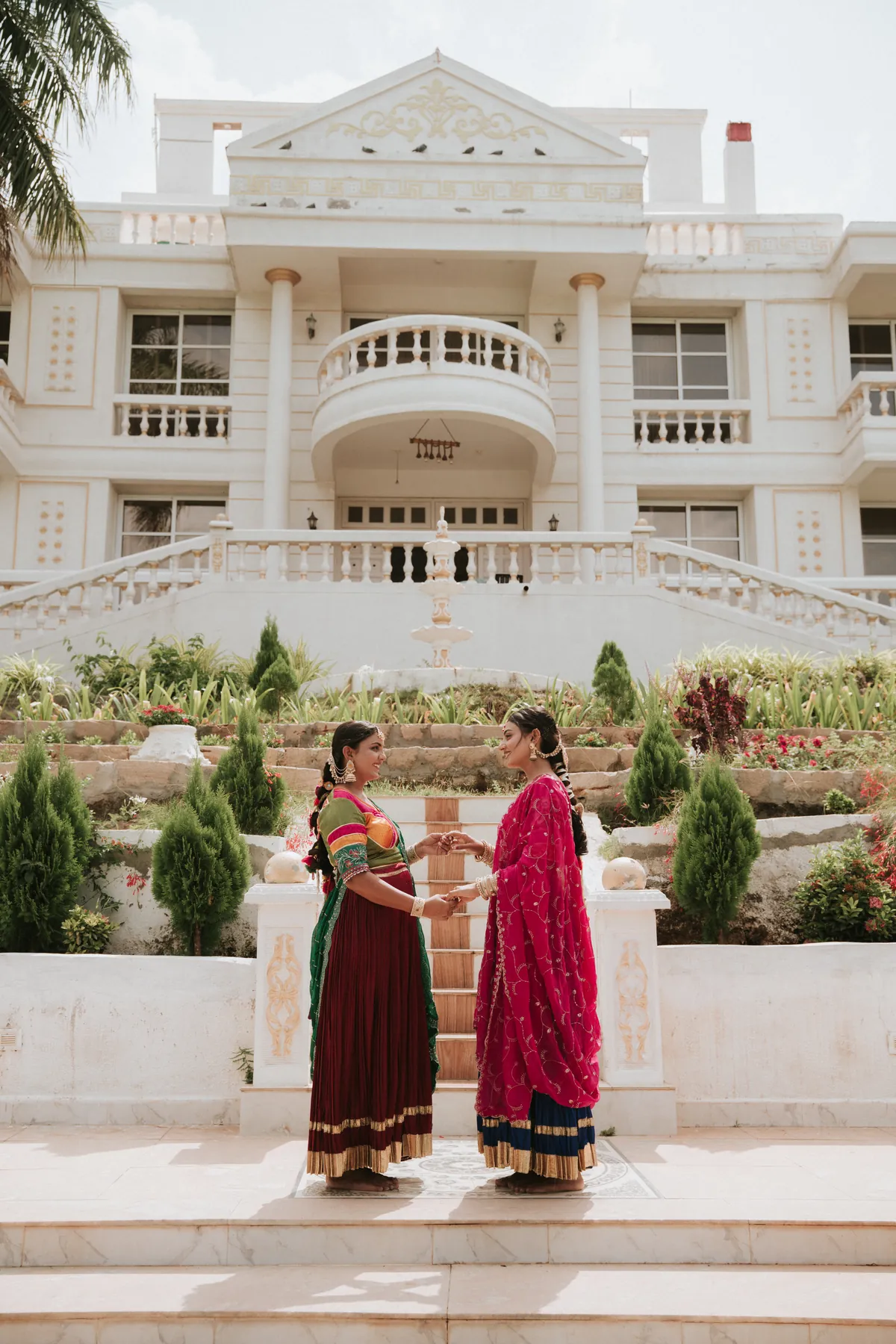
Texture can make a simple portrait feel rich without adding many objects. A woven shawl, a pleated outfit or a softly arranged backdrop can bring detail to the frame while the person remains the focus. The useful question is what the texture contributes: shape, a personal connection or a contrast with the face. Choose one main material and test how it behaves. A fabric-led concept works best when the styling is manageable and the photographer can vary distance rather than continually rebuilding the set.
Planning a session? Explore our fashion photography service alongside this guide.
Choose the material for a reason
Start with fabric you enjoy wearing or a material connected to the concept. Explain whether you want its pattern, folds or surface to be visible. A favourite shawl may carry personal meaning; a plain backdrop may simply create a quieter setting. Both are valid purposes. Avoid collecting several textures because each one looks attractive alone. The photographer needs to know which material leads, so clothing and background do not compete for attention in every photograph.
Check how the fabric behaves
Hang, drape or wear the material in a way that is safe and permitted. Notice whether it falls naturally, needs repeated adjustment or looks transparent in the intended light. A material that works as clothing may be awkward as a backdrop. Do not attach it to a surface without the owner’s agreement. If a support or styling assistant is needed, discuss that before the shoot. A small trial helps identify the practical setup rather than discovering it during booked photography time.
Keep the face and expression clear
Strong patterns close to the face can dominate a portrait. The photographer may change the amount of fabric visible or choose a quieter area around the head. Explain whether the person or the garment is the main subject. Fashion images may give the clothing more space, while a personal portrait usually needs the expression to remain prominent. The same material can appear differently across the sequence. You do not have to show every part of it in every frame.
Let light reveal the surface
Texture becomes visible through the way light falls across it. A photograph with even light may show colour clearly, while another angle reveals folds and surface detail. Tell the photographer which quality matters most. You do not need to prescribe technical settings. Ask for a view that preserves the material’s character without making the face difficult to read. The actual result depends on the fabric, setting and lighting approach, so use references to explain the preference rather than promise an identical effect.
Use movement sparingly
A flowing material can create movement, but repeated tossing or pulling may feel theatrical and take time to reset. Begin with the fabric settled comfortably. Add one simple movement if the person wants it and the material allows it. The photographer can observe how it falls and choose the useful moment. Avoid making the whole concept depend on a perfectly shaped wave. A natural fold in a still portrait may show more character than a forced gesture repeated many times.
Decide who manages styling adjustments
If the outfit or backdrop needs frequent attention, arrange an appropriate helper. The photographer can identify what is visible in the frame, but should not be assumed to provide specialist garment handling. One person managing the material helps avoid competing instructions and repeated changes. Keep clips or other setup items out of sight where practical, without creating unstable arrangements. The visual plan should stay simple enough that the person can focus on expression rather than worrying about the fabric falling or catching.
An illustrative one-material concept
Imagine a portrait using a textured wrap over simple clothing. Make a clear face-led image first, then a wider photograph showing the wrap’s shape. Add a close detail of the hand holding the edge naturally. The background remains quiet so the material can be seen. This is an illustrative plan, not a client account. The sequence gives texture different roles without introducing a new prop or backdrop for every photograph.
Keep editing expectations specific
Do not assume every fold or pattern irregularity will be removed. Texture is often the feature you chose to preserve. If a temporary distraction concerns you, identify it on the selected file and ask what can be adjusted realistically. For clothing with a business use, discuss colour and detail requirements as part of the brief. A personal portrait can allow more interpretive styling, but the agreed edit should still make sense for the person and material photographed.
Select a balanced sequence
Choose one image where texture is prominent and another where the person’s expression leads. A close material detail can connect them if it adds information. Avoid keeping several nearly identical fabric arrangements simply because they were difficult to make. The final collection should contain photographs you want to use, not a record of how much setup work happened. Review the images at the intended display size so the texture remains useful rather than turning into visual noise.
Use the fashion or portrait photography service page to share the material, the intended look and any assistance required. A thoughtful fabric choice can give a simple session depth. The useful preparation is knowing what the material should contribute and keeping the setup comfortable enough for the person to remain present in the picture.
Discuss your photography brief
Share your intended use and priorities through our fashion photography service page. Fine Art Photography is based in Diu; travel assignments, coverage, editing and delivery are confirmed individually. Bring the decisions from this guide to the conversation so the proposed session can reflect what you need.
Discuss your photography brief