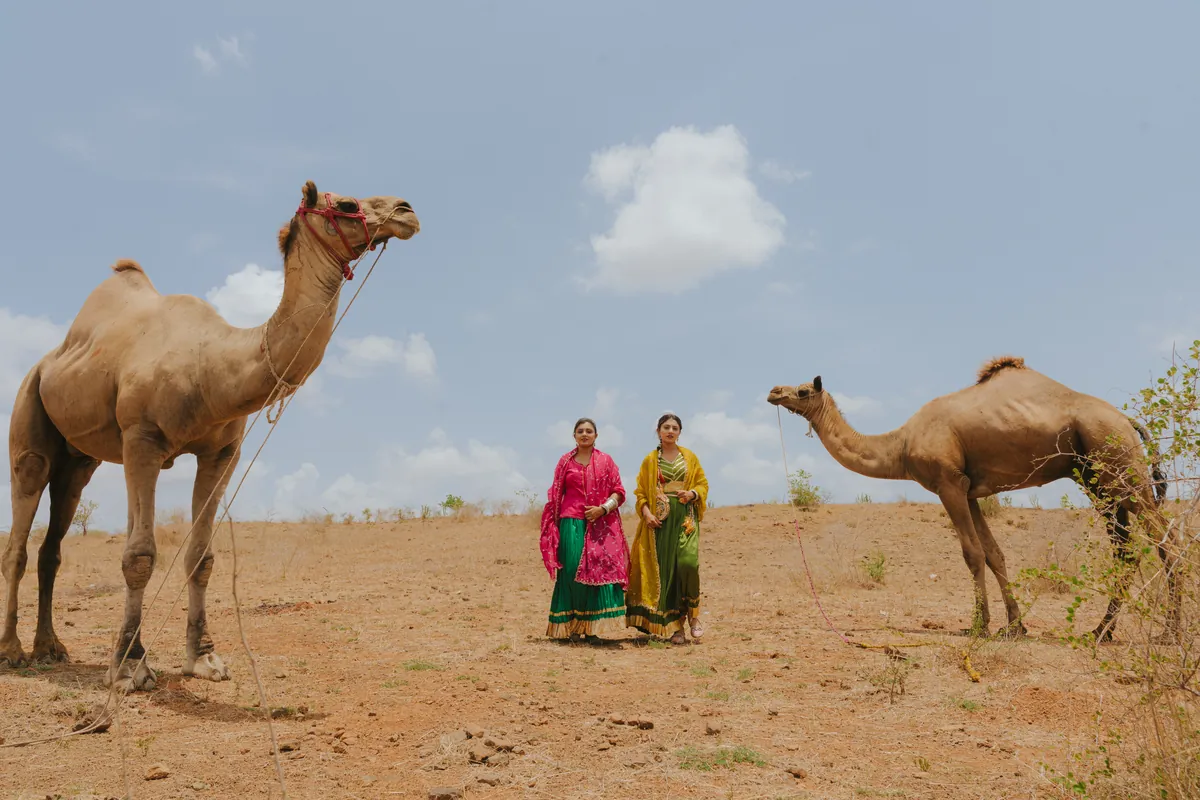
A creative portrait series can follow changes in light within one permitted setting. A window, a shaded outdoor area and an evening interior may produce different moods without requiring a long journey between locations. The plan needs to be realistic about access and timing. You are not guaranteed a particular light effect at every hour, but you can identify useful positions and choose what each part of the sequence should show. The person and the story connect the images while the light provides variation.
Planning a session? Explore our lifestyle photography service alongside this guide.
Choose the story that stays constant
Start with a person, relationship or ordinary activity that can continue across the sequence. Clothing may remain the same or change deliberately, but the photographs need a recognisable connection. Explain the purpose to the photographer. A day-in-the-life idea can be more useful than collecting unrelated portraits that happen to be made at different times. You do not need to stage every hour. Choose the small number of moments that contribute something distinct to the person’s story.
Identify usable areas in advance
Look for permitted positions that can work in different conditions: a window area, a sheltered outdoor place and an interior alternative. Share ordinary photographs of the setting if a visit is impractical. The photographer can assess the visual options without assuming the entire property is available. Check practical access with the person responsible. A useful setting offers flexibility; it does not have to contain dramatic architecture or a different scenic background for every part of the day.
Agree coverage windows clearly
A series across a day does not automatically mean continuous photography from morning to night. Discuss the actual attendance, breaks and deliverables in the quote. If the idea requires separated sessions, confirm how that arrangement works. Tell the photographer which part is most important. A smaller project may choose two light conditions rather than several. Clear scope prevents an attractive concept from becoming an undefined expectation that the team will remain available throughout every hour.
Let light shape the framing
The same place can read differently when light changes. The photographer may choose a closer portrait near a window and a wider picture later in a sheltered area. You do not need to hold the same pose to prove that the light is different. Explain the mood you want in each part, then allow the team to adapt to what is actually available. A coherent series can include different distances and expressions while the person remains the central connection.
Keep the styling manageable
Several complete outfit changes can interrupt the continuity and add preparation time. Decide whether one outfit or a small layer change supports the concept better. Test comfort across the expected settings. If the project includes ordinary activities, clothing should allow them. Arrange any specialist styling separately and confirm the time it requires. The photograph’s story should not depend on the person constantly resetting hair and accessories between short sequences that were meant to feel natural.
Prepare for different conditions
The expected light may not appear exactly as planned. Choose alternatives based on the image’s purpose rather than copying a visual effect at any cost. If an outdoor view becomes impractical, a window or interior portrait may preserve the quieter part of the story. Discuss what can be omitted. The photographer cannot guarantee the weather or the position of every reflection. A flexible concept gives each sequence a goal that can survive reasonable changes in the setting.
An illustrative two-part series
Imagine a portrait project about someone’s quiet creative routine. A window-light sequence shows them with a familiar object, followed later by a wider indoor portrait in a different part of the room. The same clothing and object connect the images. Coverage is agreed as two defined periods, with an alternative if one position is unavailable. This is an illustrative plan, not a client account. The changes in light add variety without requiring a new location or invented activity for every frame.
Keep transitions in the final selection
A detail or a wider setting image can connect two different moods. During selection, ask whether the sequence moves naturally from one part to the next. You do not need equal numbers of photographs from each period. Choose the images that add information about the person and the setting. Several nearly identical portraits may make the collection longer without making the story clearer. A smaller deliberate order can show the change in atmosphere more effectively.
Discuss how the series will be used
A personal album, an editorial set and a business image library can require different selections and crops. Explain the intended use before the session. If public images show a private routine or workspace, decide what details should remain hidden. Confirm the delivery and editing approach directly with the photographer. The project’s visual continuity should come from agreed choices, not an assumption that every picture will be given an identical effect afterwards.
Use the lifestyle or portrait photography service page to share the story, setting and proposed coverage periods. Ask which parts are practical within your brief. A day-spanning concept becomes manageable when the connection stays simple and each change of light gives the photographs a clear new purpose.
Discuss your photography brief
Share your intended use and priorities through our lifestyle photography service page. Fine Art Photography is based in Diu; travel assignments, coverage, editing and delivery are confirmed individually. Bring the decisions from this guide to the conversation so the proposed session can reflect what you need.
Discuss your photography brief