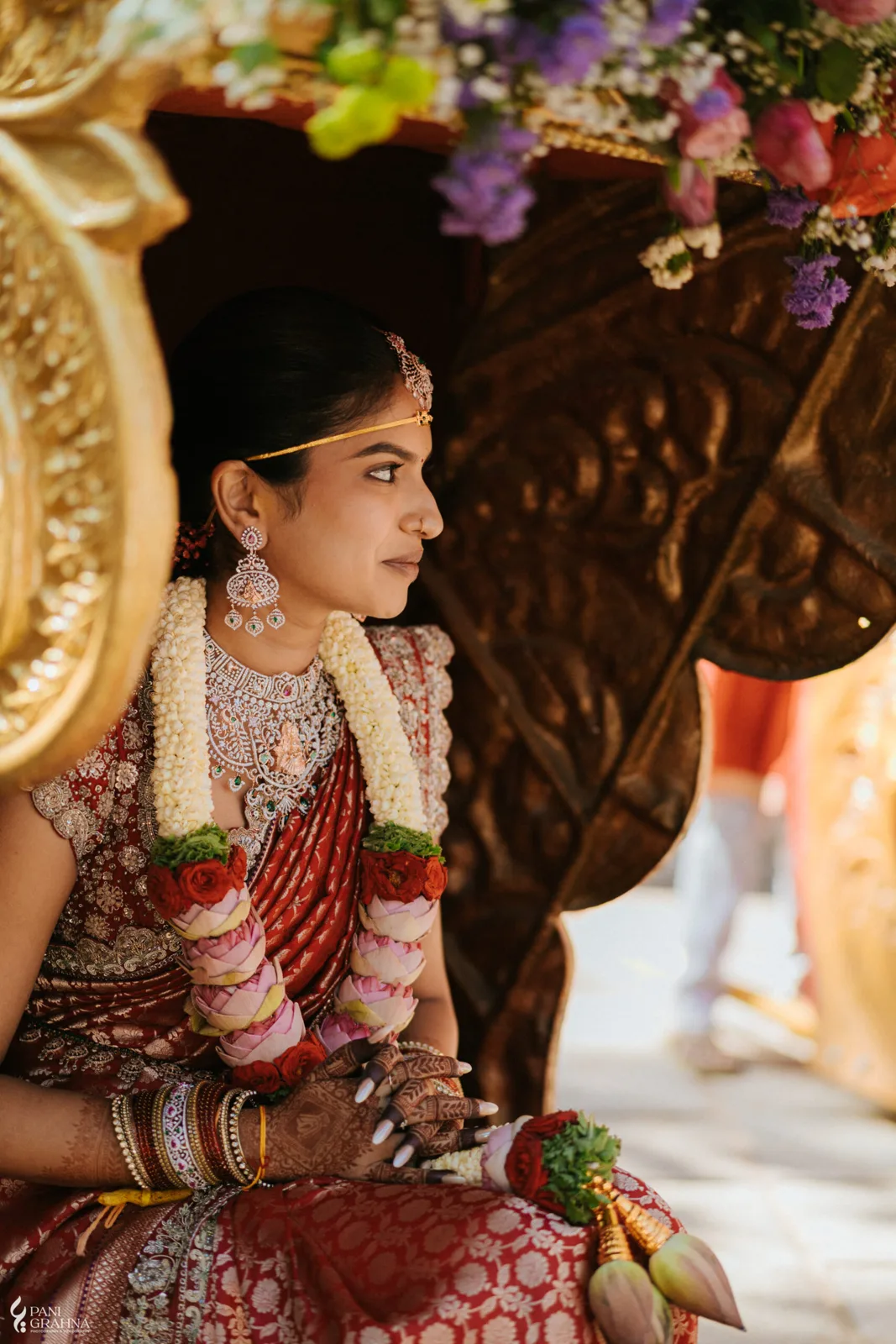
Getting-ready photographs are shaped by the room as much as the clothing. A clear corner, manageable number of people and sensible sequence make a difference. The aim is to record preparation without making a busy morning more demanding.
Choose one workable corner
You do not need to clear an entire room. Find a background where bags, food packaging and unrelated objects can be moved without disrupting preparations. Check that there is room for the photographer to stand and that the person being photographed can move comfortably.
See how the window behaves
Visit the room around the planned preparation time if possible. Notice where light reaches the face and whether direct sun creates uncomfortable glare. Share a simple room photograph with the team. Available light changes, so agree a practical alternative rather than promising a particular look.
Keep meaningful details together
Place clothing accessories, invitations and personal objects in one labelled tray or bag. Ask before handling sentimental pieces. The photographer can make detail images while hair or makeup continues, avoiding a last-minute search for jewellery when everyone is ready to leave.
Include the people who help
A sibling fastening a clasp or a parent straightening clothing adds context. Let that assistance happen at a normal pace. Avoid staging every hand movement; the photographer can suggest a clear position without turning a genuine exchange into a prolonged performance.
Leave portraits until you are ready
A rushed portrait while clothing is incomplete can create frustration. Agree a short window once the final adjustments are done. Take a clean portrait first, then add a few details or interactions if time allows, so the essential image does not depend on an elaborate sequence.
Protect privacy in a shared space
Explain which stages of dressing should not be photographed. Confirm who may remain in the room and whether behind-the-scenes images can be shared publicly. Personal notes, room numbers and private belongings should be checked before a photograph is used outside the private gallery.
Pack before the departure rush
Decide which objects travel with you and who returns the room to order. Keep shoes and essential accessories accessible. A photograph of the final departure is easier when nobody is searching for a missing item while coordinators are calling for the next event.
A worked planning example
ILLUSTRATIVE EXAMPLE · NOT A CLIENT CASE STUDY
The dressing room is crowded and full of bags. Move packed luggage into one agreed corner and make portraits beside an available window after dressing is complete. Keep the people actually helping nearby; sending everybody away would remove the relationships that make the preparation worth photographing.
The person being photographed should know when the camera is present and which stages are outside the brief. A shared preparation room can include people with different privacy preferences. Ask before photographing helpers closely and avoid capturing documents, medicine, room numbers or screens accidentally. None of these details needs to become part of the story simply because the room is real. Keep sentimental accessories accessible, but return them safely after detail photographs. A calm preparation plan gives attention to the person and relationships without exposing the private organisation behind the morning.
If you want a simpler plan
A shorter preparation sequence can include meaningful accessories, a real helping interaction and one finished portrait. Keep those objects together and choose the room corner beforehand. If dressing runs late, reduce decorative variations rather than asking the person to rush the final adjustments. Tell the photographer which image matters most and confirm privacy boundaries. Completing a modest coherent sequence comfortably is more useful than attempting every reference while the room becomes crowded and the departure time approaches.
Try this before the session
Take a photograph of the preparation room from the likely portrait corner. Notice bags, private information and the path people use while getting ready. Decide what can move temporarily and where accessories will be kept together. Ask the person helping with clothing when the final adjustments are likely to finish. Make the portrait window depend on being ready rather than on an unrealistic promise of speed. Keep privacy preferences beside the schedule. This gives the team a practical room brief and allows meaningful preparation images without adding more pressure to the morning.
Keep the photography plan beside the event plan
Share decisions with the people who coordinate the day, including the photographer and a family contact. Make clear which parts of the event are fixed and which photography ideas remain flexible. If another supplier or relative changes a practical detail, update the agreed version rather than sending several conflicting messages. The couple should not become the only route for ordinary information while they are participating in the celebration. Ask the team to confirm the implications of a change instead of assuming the original coverage can remain identical. Keep the plan readable enough to use onsite: names, useful cues and decisions matter more than decorative formatting. This organisation supports photographs of real people and interactions while allowing the event to keep its own rhythm.
Your practical checklist
- Clear corner
- Light check
- Detail tray
- Helpers
- Finished clothing
- Privacy boundaries
- Packed essentials
Questions worth asking
Does the room need to look luxurious?
A tidy working corner and comfortable light are more useful than an expensive room with no practical shooting space.
Should makeup be photographed from start to finish?
Discuss which stages you want recorded. A few thoughtful preparation images may be enough without continuous coverage of the entire process.
Put the guide into practice
Fine Art Photography is based opposite SBI Bank in Diu. Use the bridal photography service page to discuss the assignment itself, including availability, scope and delivery. Share the essential idea, intended use and practical access when you enquire. Travel assignments are confirmed individually. This guide is preparation advice; dates, coverage, editing requests and final deliverables should be agreed directly for your session.
Discuss your photography brief