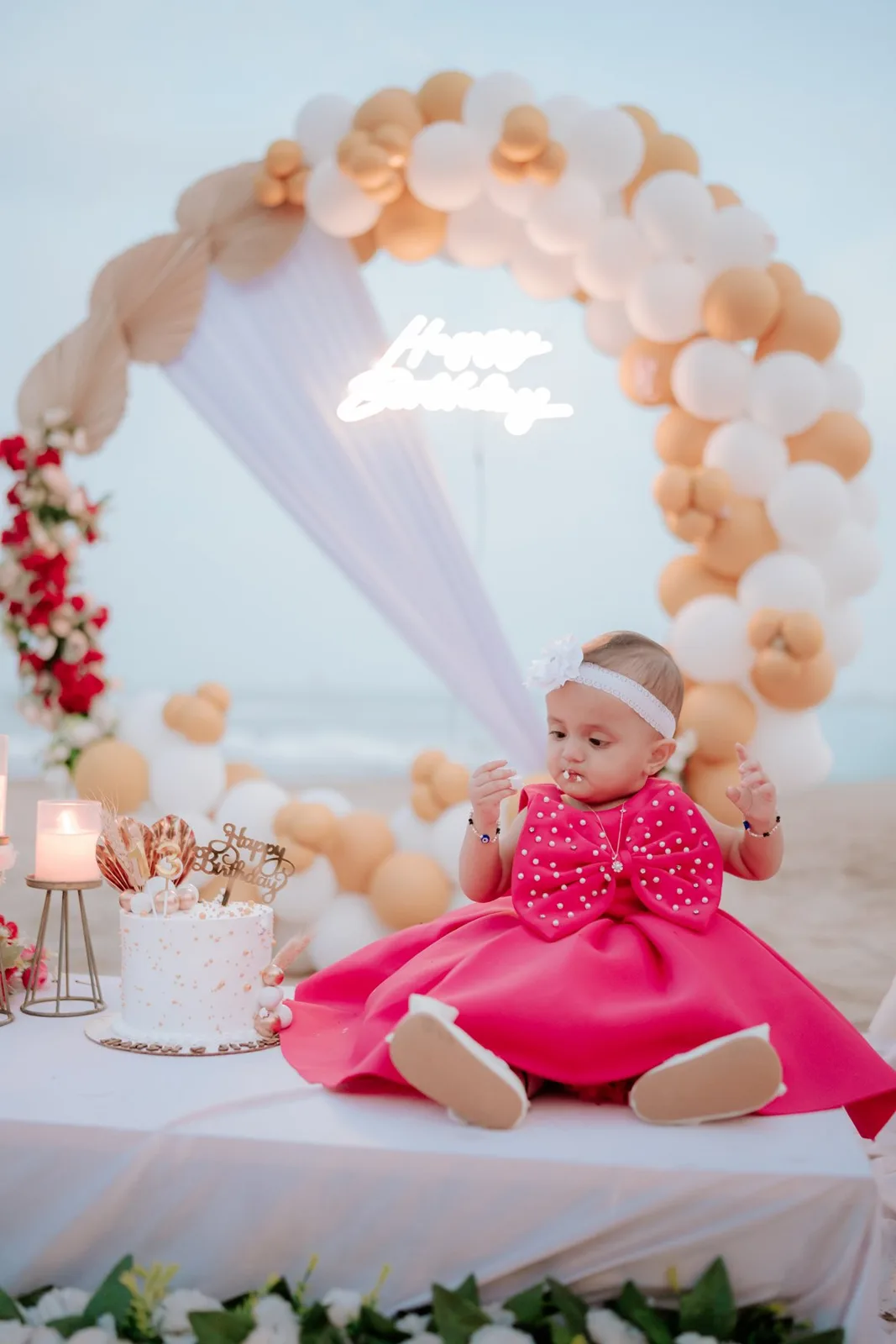
Minimal portraits rely on choices you can see clearly: one person, a considered background, comfortable light and a small gesture. Simplicity leaves fewer places for distractions to hide. Decide what the image should communicate and keep only elements that help it.
Choose one point of attention
Decide whether the image centres on expression, a clothing shape or a particular gesture. Let that choice guide the setup. A minimal portrait becomes stronger when its purpose is clear, rather than when every visible element is given equal importance.
Use a quiet background
Check texture, marks and edges that may become noticeable once other distractions are removed. A plain wall should still be inspected in the actual frame. Make small changes in position before assuming the background needs replacement or extensive editing.
Keep clothing deliberate
Choose a look the person feels comfortable wearing and test it while sitting or standing. Consider its outline and relation to the background. Minimal does not require a particular colour palette; it requires clothing that supports the image instead of demanding constant adjustment.
Work with small gestures
A hand resting comfortably, a turned shoulder or a change in gaze can provide variation. Give each gesture time to settle. Avoid adding exaggerated movement merely because the set is simple; the person's comfort and the intended mood remain the most useful guide.
Make light part of the composition
Notice what light reveals and where shadow falls. Test the setup rather than assuming an evenly bright image is always best. The photographer can choose a treatment that keeps expression readable and fits the simple visual direction.
Include a close and wider option
Different framing can change the emphasis while the setup stays coherent. Make a clear portrait and another version with purposeful space. This gives the final collection useful variety without introducing unrelated props or moving to a completely different visual style.
Select with a strict eye
Remove images where a small distraction weakens the main subject. Choose distinct expressions or compositions rather than every minor adjustment. A short minimal series can feel complete when each frame has a clear role and the sequence is allowed to remain simple.
A worked planning example
ILLUSTRATIVE EXAMPLE · NOT A CLIENT CASE STUDY
A subject adds several accessories to make a plain-background portrait feel creative. Remove the unnecessary items and use a small change in stance, gaze and framing instead. The photograph can feel distinctive through the person's expression without becoming a display of styling objects.
A minimal setup makes small practical details more visible. Check clothing adjustments, background marks and the relationship between the face and frame edges before continuing. Do not confuse careful preparation with a demand for an artificial appearance. The person should remain comfortable, and the visual decisions should serve the intended portrait. A stronger colour or an unusual gesture can belong when it has a clear purpose. During selection, remove repetitive alternatives and keep the images whose differences can be explained through expression, framing or light, allowing the series to remain intentionally concise.
If you want a simpler plan
A concise minimal portrait plan starts with one comfortable outfit and a quiet background. Make a clear frame, then change gaze or camera distance for a useful alternative. Check small distractions before continuing and keep only gestures that fit the person. The final selection can remain short. Its variety should come from expression, framing and light rather than adding objects because the setup looks simple. Each image should have an understandable purpose within the series.
Try this before the session
Choose one point of attention and examine every visible element around it. Test the outfit in the intended posture and check the background for small distractions. Make a close and wider frame, using only gestures that suit the person. Compare them for expression, light and useful space rather than adding objects to make the setup appear busier. A focused selection should retain distinct images and remove minor repetitive variations. The simplicity works when each choice contributes, not when the session follows a fixed rule about colour or seriousness.
Make the brief fit the person and the final use
Explain where the photographs will appear and how the person wants to be represented. A private keepsake, a public portrait and a creative sequence can call for different choices even when the setup is similar. Confirm who approves image selection and any specific editing requests. Keep feedback attached to file identifiers so a practical change cannot be confused with another photograph. If someone feels uncomfortable with an action or the way their appearance is discussed, adjust the session respectfully. Record a straightforward alternative when the brief includes an experiment, allowing the collection to remain useful beyond that effect. During review, choose images for expression, clarity and purpose rather than assuming the most dramatic frame must become the main portrait.
Your practical checklist
- Main point
- Quiet background
- Comfortable clothing
- Small gesture
- Light test
- Framing alternatives
- Focused edit
Questions worth asking
Does minimal mean plain or boring?
No. Expression, light and composition can make a simple frame distinctive when its choices are deliberate.
Do we have to wear neutral colours?
No. Choose colours and shapes that support the portrait. A strong colour can belong to a minimal image if it has a clear role.
Put the guide into practice
Fine Art Photography is based opposite SBI Bank in Diu. Use the portrait photography service page to discuss the assignment itself, including availability, scope and delivery. Share the essential idea, intended use and practical access when you enquire. Travel assignments are confirmed individually. This guide is preparation advice; dates, coverage, editing requests and final deliverables should be agreed directly for your session.
Discuss your photography brief