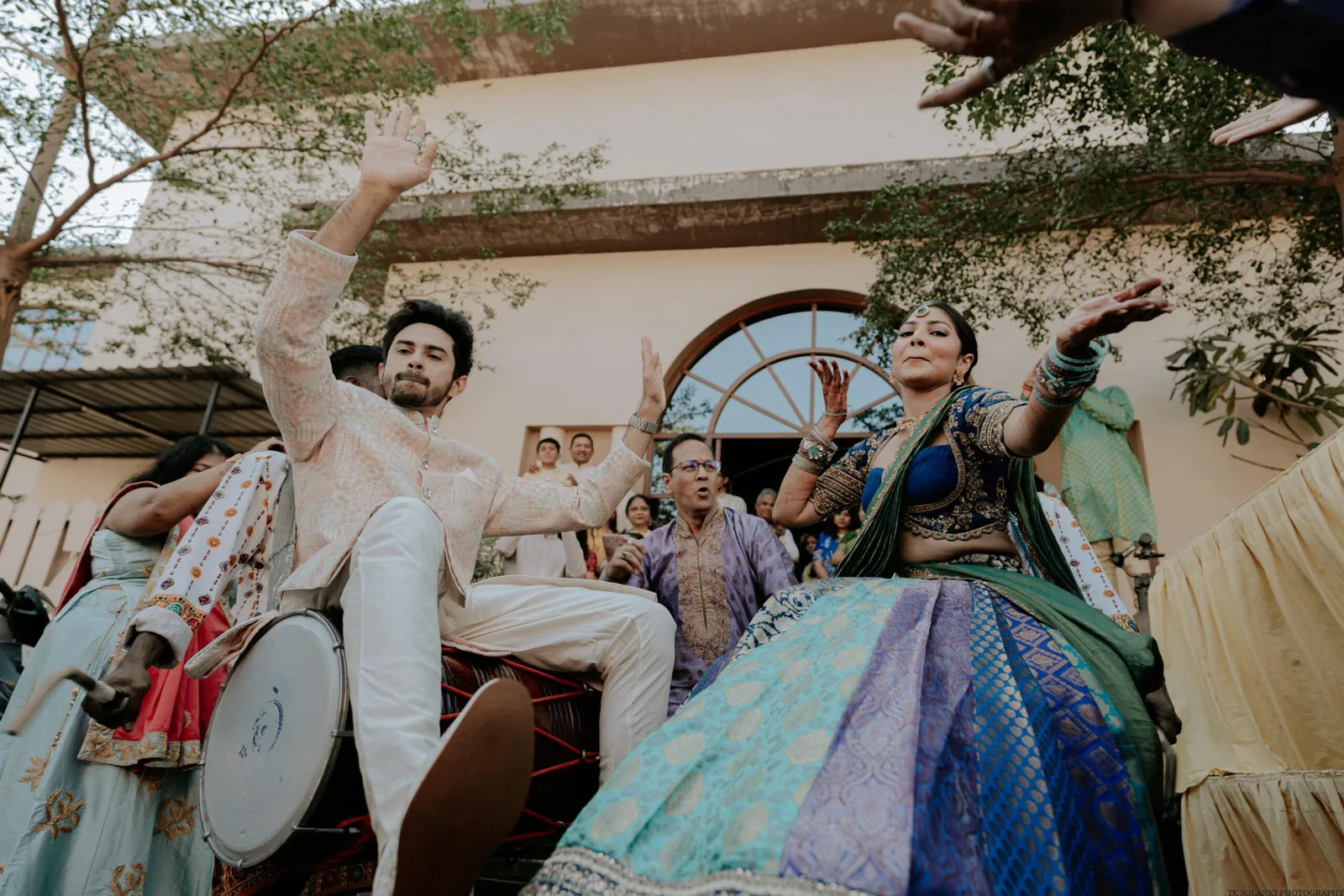
A wedding collection needs both the feeling of the day and clear photographs of the people who shared it. Candid coverage and guided portraits answer different needs. Choose the balance before the ceremony instead of treating either approach as a rule.
Define what candid means to you
Some people mean no direction at all; others mean portraits that look relaxed. Explain which interpretation you prefer. Discuss whether the photographer may suggest a better position near the light during quiet moments, and which ceremonies or interactions should remain completely uninterrupted.
Identify the portraits you would miss
Imagine looking at the collection years later. Which people should have a clear photograph with you? Put those groups in the plan even if you dislike posing. A short formal sequence can prevent an otherwise expressive collection from lacking a recognisable photograph of someone important.
Use gentle actions for couple portraits
Walking, sitting together or adjusting an accessory gives people something natural to do. Let the action begin before asking for a glance at the camera. Directions should help the couple settle, not demand a performance of affection that feels uncomfortable.
Give the photographer observation space
Avoid calling the team to a staged photograph during every conversation. An unobstructed view and some freedom to move allow reactions to be noticed. Let close relatives know the team may photograph interactions without asking everyone to turn and smile each time.
Keep rituals real
Ask about coverage positions and any restrictions before the event. The photographer can prepare for a meaningful gesture without asking it to be repeated. If a view is blocked, a reaction or wider frame may still tell the story honestly.
Look at complete galleries
A handful of dramatic portraits cannot show how everyday interactions are covered. Review a full event sequence and notice transitions, family images and quieter moments. Ask how the photographer balances direction with observation when the timeline is busy or the light changes.
Choose variety during selection
Keep photographs with different purposes: a scene-setting view, close expressions, a formal group and an unplanned exchange. Several similar portraits may be beautiful individually but make the final collection feel narrow. Select for the story as well as each image's appearance.
A worked planning example
ILLUSTRATIVE EXAMPLE · NOT A CLIENT CASE STUDY
A couple wants mostly candid photographs, but grandparents also want a clear family portrait. Plan one calm family window and let the rest of the event unfold. That single arranged group can sit comfortably beside a collection of spontaneous reactions without changing the entire approach.
The balance may change during the day. Early preparations can allow gentle direction, while a ceremony needs observation and restraint. Reception portraits may involve another arranged window. Explain those changes in the brief instead of asking for one label to describe every photograph. A photographer can then use direction where it helps people settle and step back where it would interrupt real action. During selection, avoid excluding a meaningful image solely because it does not fit the style label you first chose. Judge whether it records something useful and belongs beside the rest of the day.
If you want a simpler plan
If time is limited, choose one clear family arrangement and one comfortable couple sequence, then give the rest of coverage to real interactions. Tell the team which spontaneous moments matter most and avoid interrupting every conversation for another pose. A small directed window can provide useful recognisable photographs without changing the event's character. During selection, keep the candid images that reveal relationships beside those clearer portraits, allowing each approach to do its own job within the story.
Try this before the session
Divide a blank page into observation and direction. Under observation, write the interactions you want the team to notice without interference. Under direction, write the family and couple portraits that need an agreed window. Check that the two lists can fit beside the event schedule. If a guided sequence would pull you away from an important interaction, move or simplify it. Look at a complete example gallery and identify one photograph from each approach that you enjoy. Explain why those images matter instead of judging the balance only by labels such as candid or posed.
Keep the photography plan beside the event plan
Share decisions with the people who coordinate the day, including the photographer and a family contact. Make clear which parts of the event are fixed and which photography ideas remain flexible. If another supplier or relative changes a practical detail, update the agreed version rather than sending several conflicting messages. The couple should not become the only route for ordinary information while they are participating in the celebration. Ask the team to confirm the implications of a change instead of assuming the original coverage can remain identical. Keep the plan readable enough to use onsite: names, useful cues and decisions matter more than decorative formatting. This organisation supports photographs of real people and interactions while allowing the event to keep its own rhythm.
Your practical checklist
- Definition of candid
- Required family groups
- Comfortable prompts
- Observation access
- Ritual restrictions
- Full galleries
- Varied selection
Questions worth asking
Will posed images look stiff?
They can look relaxed when directions are simple and the session is not rushed. Explain what feels awkward so the photographer can adapt.
Can we request only candid coverage?
Discuss the implications first, including whether you still want clear family and couple portraits at an agreed point in the day.
Put the guide into practice
Fine Art Photography is based opposite SBI Bank in Diu. Use the candid photography service page to discuss the assignment itself, including availability, scope and delivery. Share the essential idea, intended use and practical access when you enquire. Travel assignments are confirmed individually. This guide is preparation advice; dates, coverage, editing requests and final deliverables should be agreed directly for your session.
Discuss your photography brief