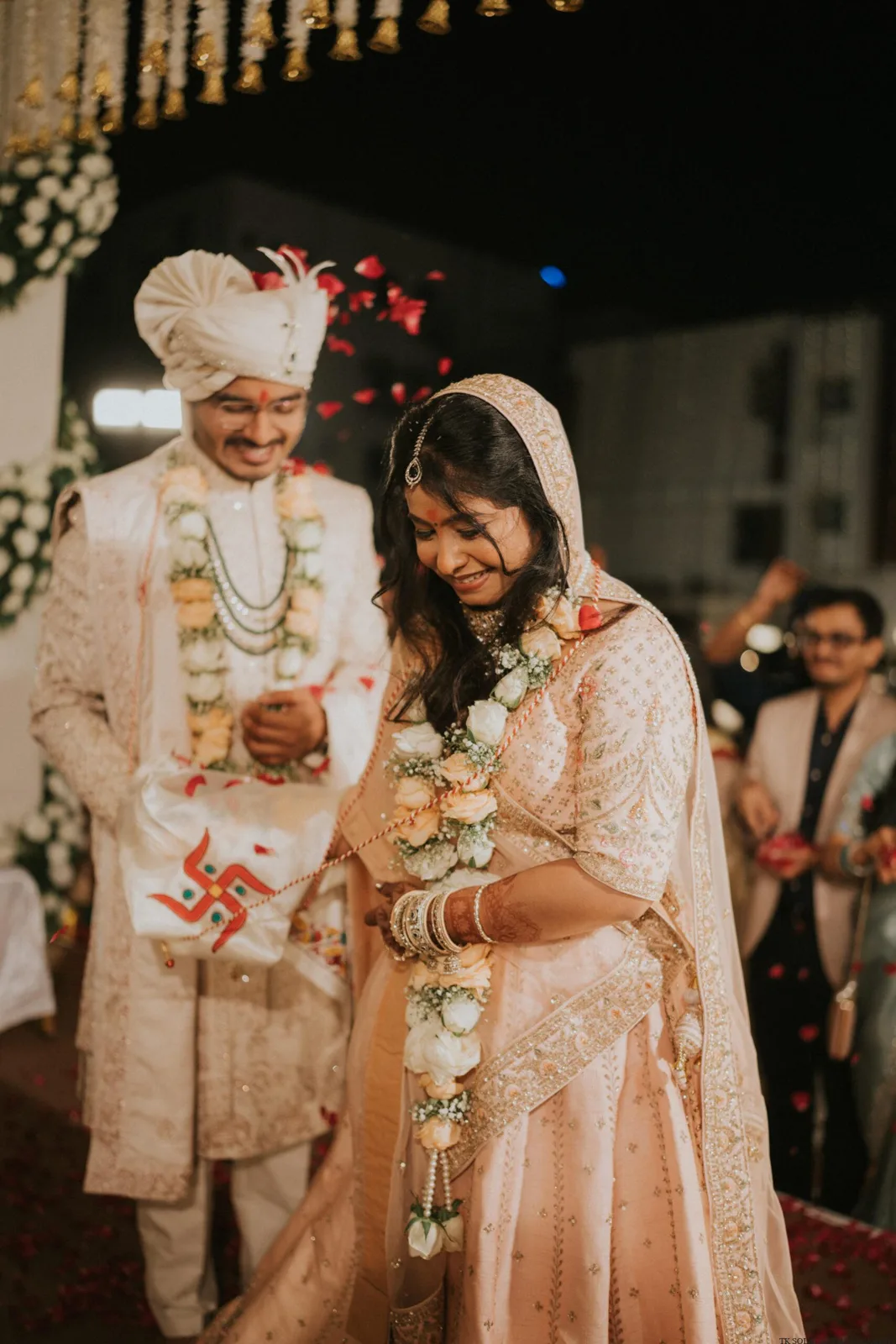
A useful gallery selection balances strong individual images with a sequence that feels like the person or couple. Start with meaning and expression, then look at variety. The best shared collection is not necessarily the one containing every delivered variation.
Make an instinctive first pass
Mark images you respond to without ranking every detail immediately. Look for expression, connection and photographs you want to revisit. Keep this stage broad enough to include quieter frames that might be lost if you select only the most dramatic compositions first.
Compare similar frames together
Place variations from the same moment beside one another. Notice expression, hand position and what the background contributes. Choose the version that serves the purpose best, while keeping alternatives privately if they matter to you for a different reason.
Check the people before the effect
A reflection, silhouette or movement effect may be striking, but ask whether the subject remains represented as intended. Keep an experiment because it adds something meaningful. Do not let an attractive visual treatment replace every clear photograph of the people involved.
Balance distance and mood
Include wider context, closer expressions and details when they belong to the concept. Let energetic and quieter frames sit together. Variety should come from useful differences, not from adding an unrelated photograph merely because the sequence needs another colour or angle.
Consider where the images will appear
A personal album, social sequence and wall print may need different selections. Discuss framing and delivered files with the photographer. Choosing by use can prevent a small detail image from being printed too prominently or a wide scene from hiding faces in a tiny display.
Respect the agreed privacy boundaries
Check that selected images are appropriate to share and that people involved are comfortable with their use. Private photographs can remain meaningful without being public. Review backgrounds and captions for personal information rather than assuming the gallery is automatically ready for every platform.
Finish with a clear final set
Keep selected file identifiers together and avoid repeatedly replacing them through separate messages. Confirm any agreed editing requests before printing or sharing final versions. A tidy selection process makes the collection easier to use and reduces the risk of choosing an outdated draft.
A worked planning example
ILLUSTRATIVE EXAMPLE · NOT A CLIENT CASE STUDY
A subject chooses many dramatic frames but none with a recognisable relaxed expression. Keep the strongest experiments and add a clear portrait that feels like them. The selection becomes both creative and useful without asking every photograph to perform the same visual task.
Different people may choose different favourites for good reasons. One image may hold a private memory while another works better as a public portrait. Keep those selections distinct rather than forcing every favourite into a single shared sequence. Check the final versions and captions against agreed boundaries. If a visual experiment is striking but does not feel like the person, keep a clearer portrait beside it or leave it in the private gallery. A useful collection should remain easy to navigate and use, with file identifiers organised for any print, revision or sharing decision that follows.
If you want a simpler plan
A concise final selection can contain a clear portrait, an image of meaningful interaction and a considered creative frame when each has a role. Keep private favourites separately if they do not belong in the public sequence. Compare similar photographs together and retain file identifiers for the final versions. Check captions and backgrounds before sharing. This allows the gallery to feel personal and varied without requiring every delivered variation to appear in the same album, post or print collection.
Try this before the session
Make separate selections for private memory, public sharing and print if those uses differ. Compare similar images together and keep the strongest expression or visual role in each group. Check privacy preferences and background details before sharing. Select a wider view, closer portrait and meaningful experiment only when each adds something useful. Keep final file identifiers and any agreed changes in one place. A considered gallery can feel both personal and creative without publishing every variation or allowing a striking effect to replace all recognisable images of the people.
Make the brief fit the person and the final use
Explain where the photographs will appear and how the person wants to be represented. A private keepsake, a public portrait and a creative sequence can call for different choices even when the setup is similar. Confirm who approves image selection and any specific editing requests. Keep feedback attached to file identifiers so a practical change cannot be confused with another photograph. If someone feels uncomfortable with an action or the way their appearance is discussed, adjust the session respectfully. Record a straightforward alternative when the brief includes an experiment, allowing the collection to remain useful beyond that effect. During review, choose images for expression, clarity and purpose rather than assuming the most dramatic frame must become the main portrait.
Your practical checklist
- First favourites
- Similar-frame review
- Clear people
- Distance variety
- Intended use
- Privacy check
- Final identifiers
Questions worth asking
Should we share every delivered image?
No. A considered selection can communicate more clearly while the full gallery remains your private record.
Can different uses have different favourites?
Yes. A wall print, album and social sequence can each benefit from a selection suited to its format and purpose.
Put the guide into practice
Fine Art Photography is based opposite SBI Bank in Diu. Use the lifestyle photography service page to discuss the assignment itself, including availability, scope and delivery. Share the essential idea, intended use and practical access when you enquire. Travel assignments are confirmed individually. This guide is preparation advice; dates, coverage, editing requests and final deliverables should be agreed directly for your session.
Discuss your photography brief