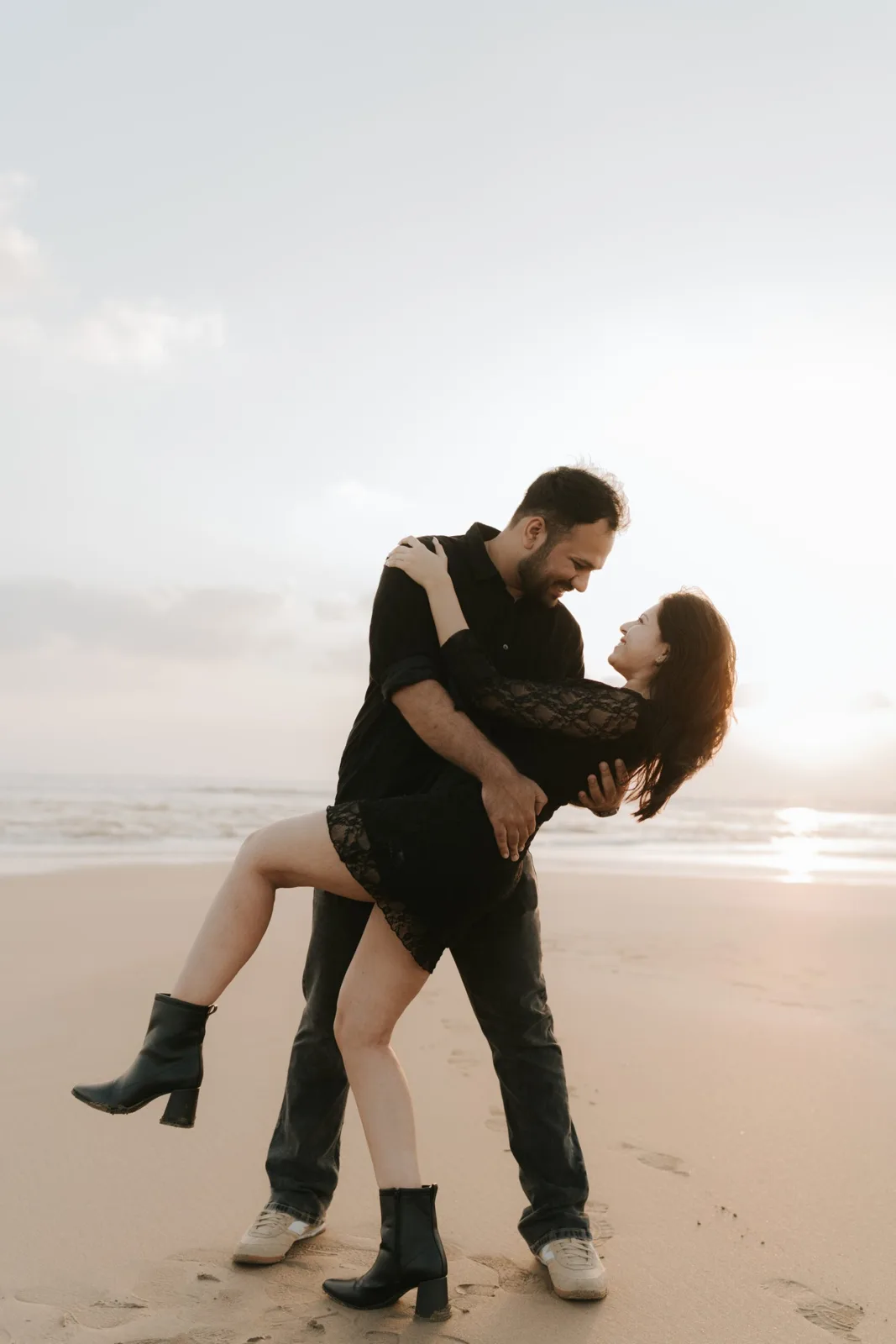
Business photographs often become unconvincing when people are asked to perform tasks that have little to do with their jobs. An exaggerated meeting or a handshake repeated ten times may fill a page, but it doesn't explain your team. For a small business in Diu, lifestyle photography can show the work more naturally when the brief begins with real activities. Prepare the practical details, let staff know how they will be involved and choose the images for what they tell customers about the business.
Choose activities that are easy to recognise
List the tasks that customers would understand at a glance: preparing an order, checking a product, arranging a space or discussing a design. Pick activities that can happen safely and appropriately during photography. Avoid creating a scene that suggests a service you do not offer. If a task needs explanation, pair the image with accurate text later rather than forcing it to communicate everything on its own. Ask staff which parts of the work can be demonstrated without interrupting the day. Their practical knowledge can make the photographs clearer and reduce the time spent correcting an unrealistic setup.
Explain participation before the session
Tell employees what the photographs are for and where they may appear. Offer a clear way to discuss concerns about public use. Do not assume a person is comfortable being featured just because they work at the business. Agree whether customers or visitors will be present and how their permission will be handled. A photographer should not have to resolve these questions while somebody waits in front of the camera. Establish who can approve images and check details. This matters especially where a photograph could reveal documents, a customer's order or another piece of information that was never intended for a public website.
Prepare the environment without making it fictional
Clear distracting packaging and unrelated clutter from the working area, but keep the tools and materials that explain the task. Check screens, labels and papers for private information. Choose clothing or uniforms staff actually use, and make sure the appearance is consistent with what customers will see. If you move to a hired space, describe the resulting images honestly as illustrative where appropriate. A Diu business doesn't need to look like an enormous company to have useful photographs. Showing a well-prepared, recognisable workplace can communicate more than an elaborate scene that your customers would never encounter.
Let interaction happen within a clear task
Give the team a real subject to discuss or an ordinary process to carry out. The photographer can direct their positions and sightlines while the activity provides a reason for their expressions. Avoid asking everybody to look at the camera during every action. Make a few camera-facing team photographs separately if you need them. Discuss the tone you want: attentive, friendly, focused or another quality that genuinely fits the business. Nobody needs to laugh on cue simply to prove the team is approachable. A calm, practical exchange can be equally useful when the page is explaining work rather than selling a workplace atmosphere.
Match the finished images to accurate captions
Choose pictures that support your message without overstating what happened. If the activity was a demonstration, don't caption it as a live customer assignment. Check that visible products, uniforms and surroundings are still current when you publish. Use wider images for pages that explain a process and closer ones where a person or detail is the subject. Record permissions and revisit public staff photographs when team membership changes. Ask about the delivered crops rather than forcing one frame into every template. A natural business library is useful because the people and work remain believable wherever the photographs appear.
A sample plan you can adapt
For a small shop, a sample session could cover the team opening the space, preparing a display and discussing an item together. Start with tasks staff already know rather than assigning unfamiliar actions for the camera. Remove customer names from receipts and check the background for unattended personal belongings. If the shop remains open, reserve an area where photography will not interrupt visitors. Make a short list of people who have agreed to appear and a separate list of activities that can be shown without identifying customers. Photograph one activity from a wide viewpoint and another from closer in, so the final collection explains both the setting and the work. This outline is illustrative. Your actual operation may need a different order or a closed session. The decision to keep is simple: the photograph should represent a plausible part of the working day, and everyone visible should understand where the image may appear.
Discuss your session with Fine Art Photography
Planning natural staff photographs for a small business in Diu starts with your own priorities, rather than somebody else's photograph list. Share the points in the brief below with Fine Art Photography, together with your preferred date and the people or items involved. Our lifestyle photography service in Diu is the place to discuss suitable coverage, availability and delivery. If your plans also include corporate photography, review our corporate photography service and explain how the two needs fit together. Confirm the agreed scope before booking, including the essential images, practical limits and intended uses. That conversation gives everyone a clearer starting point for the session.
Your photography brief
Use these points as a starting list. Add the details that matter in your situation, and ask which decisions need to be settled before the appointment.
- Real activities and staff roles to show
- Willing participants and public-use agreement
- Privacy checks for screens, papers and customers
- Workplace access and an efficient shooting window
- Page layouts and the messages images must support
Common questions
Can we photograph during normal working hours?
Possibly, but plan around safety, customer privacy and disruption. Some tasks may be better demonstrated during a quieter agreed period.
Do staff need to be experienced in posing?
No. Clear tasks and simple direction can help. Explain any individual preferences before the session instead of expecting everyone to enjoy the same approach.