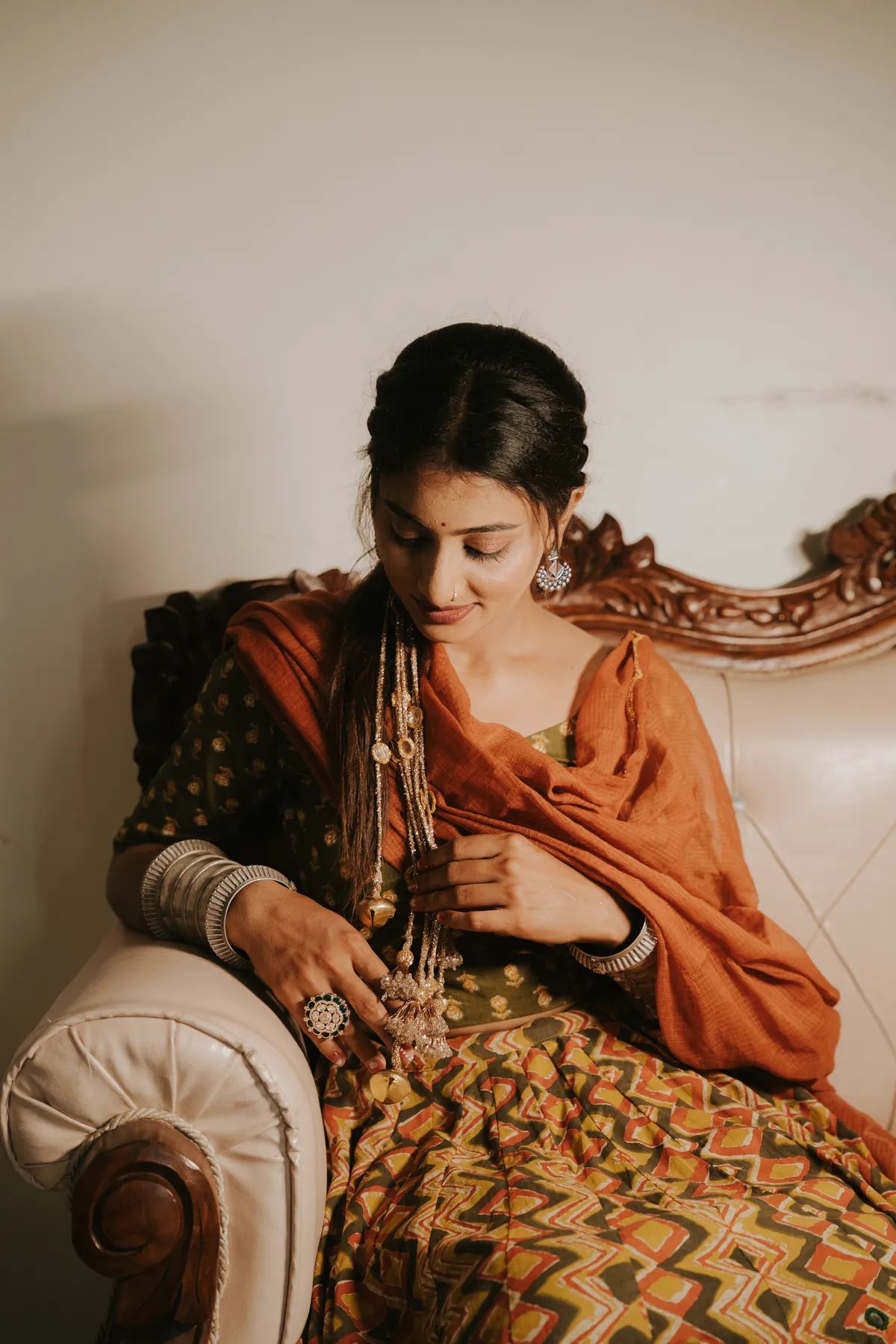
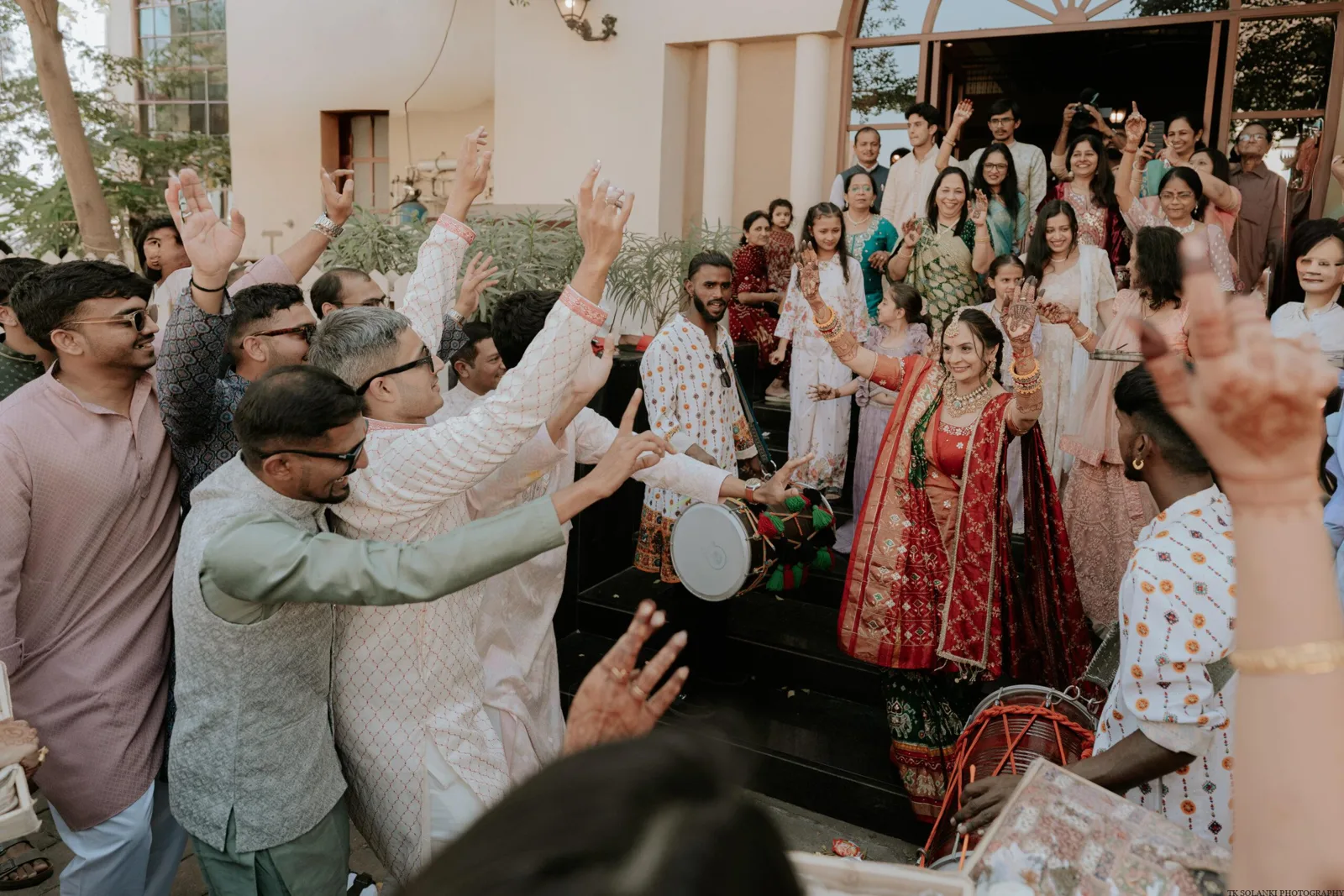
Start with a believable action such as walking, reading or spending time together. Lifestyle photographs feel more natural when the subject has something comfortable to do instead of repeatedly pretending to be spontaneous. This guide brings the decisions together for lifestyle photography in Diu: what to prepare, what to explain and how to make the final collection useful. Fine Art Photography provides lifestyle photography across Diu, with the brief shaped around your date, location and priorities. Start with the photographs you need rather than a long list of poses or a package name. The strongest plan is one you can actually follow, with enough space for the people and the setting to feel natural.
Choose an ordinary activity
Start with a believable action such as walking, reading or spending time together. Lifestyle photographs feel more natural when the subject has something comfortable to do instead of repeatedly pretending to be spontaneous.
Pick an action the subject can repeat comfortably without feeling watched constantly. Keep the activity simple enough to vary. A small change in pace or direction can create variety while the scene remains believable. For this assignment, keep believable activity, expression and surroundings in mind when deciding what belongs in the brief.
Define personal or commercial use
Tell the photographer whether the session is a family keepsake or a business campaign. The intended use changes the briefing, permissions and required formats, even when the visual mood is similarly relaxed.
For a business brief, explain what the scene is meant to communicate and confirm participants’ image use. For personal photographs, focus on the interaction you want remembered. Similar visual styles can serve very different purposes. The intended outcome is a natural collection with a coherent visual story, so explain how this choice supports the photographs you need.
Prepare a credible setting
Select a space that fits the activity and tidy only what distracts. A setting can be attractive without looking artificial; keep details that tell the viewer something useful about the people or the activity.
Prepare the environment with the activity in mind. Keep objects that are actually used and remove unrelated distractions. A setting should explain the moment rather than become a collection of attractive props that the subject never touches. Pay particular attention to the difference between personal and commercial use; it can influence what is realistic within the agreed session.
Dress for the actual scene
Choose clothes that allow the movement you plan and feel suitable for the location. A very formal outfit can work if it belongs to the idea, but should not prevent comfortable walking or sitting.
Test whether the outfit supports sitting, reaching or walking as planned. Keep footwear suitable for the route. Clothing can be expressive without making the ordinary action awkward or changing how the person naturally moves. A useful check is whether this decision helps avoid directing every moment until the activity feels artificial.
Leave room for variation
Plan a few actions rather than a frame-by-frame performance. The photographer can use changes in angle, distance and expression to build a coherent collection without making every image a new production.
Plan a beginning action and a few variations, then let the photographer observe. Constantly introducing a new idea can break the flow. Keep essential frames in the brief and allow smaller moments to develop within that structure. Bring the question back to lifestyle photography: what would make the collection more useful for you after the session?
Discuss the finishing style
Share how natural or editorial you want the photographs to look and clarify image use. For business imagery, make sure the final scene does not imply claims about a product or service that are not accurate.
Review whether the finished images communicate the intended activity accurately. In a campaign, avoid suggesting an experience or result the business cannot support. Explain retouching preferences so the natural mood remains consistent across the collection. Include this in your conversation about lifestyle photography in Diu, especially if it changes the coverage or delivery you originally discussed.
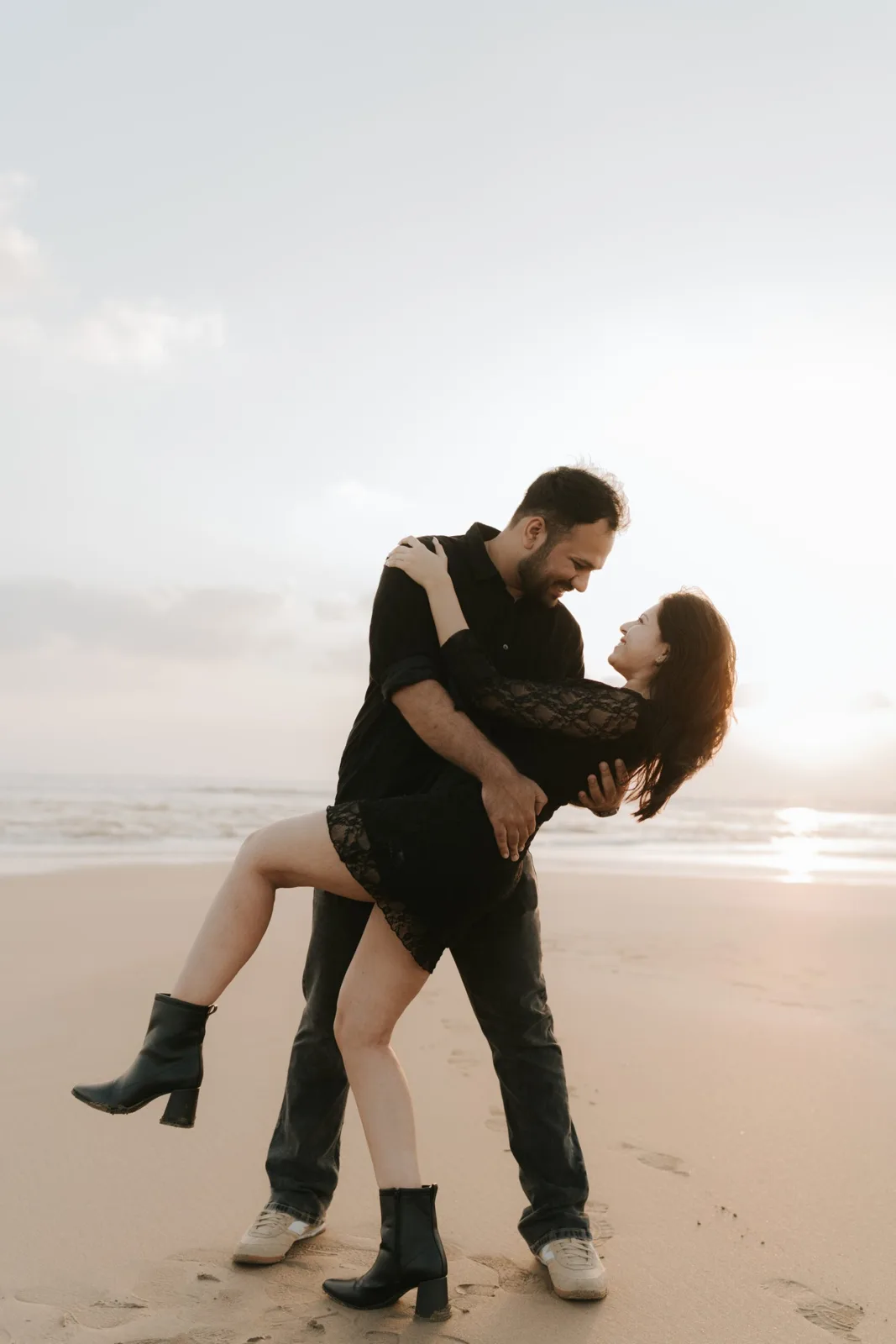
A brief you can use
Before enquiring, write a short paragraph describing believable activity, expression and surroundings and the way you want the photographs to feel. Follow it with the date, proposed meeting point and your main priority. If you are undecided, say which decisions remain open. Clear questions are more useful than a very long message copied from several unrelated examples.
Next, check the practical plan against the difference between personal and commercial use. Identify what must be ready before photography starts and who will handle it. Reserve time for arrival, preparation and a little flexibility. Keep the essential images separate from optional ideas so the photographer can concentrate on the important part if the schedule becomes tighter.
Finally, discuss a natural collection with a coherent visual story as a deliverable. Tell the photographer how you plan to use the images and ask about edited files, delivery and any print requirements. Confirm the scope before the day, then send updates if the brief changes. A clear agreement gives both sides the same starting point and keeps the session focused on useful photographs.
Making the plan work in Diu
Fine Art Photography is based at Opposite SBI Bank, Diu, Dadra and Nagar Haveli and Daman and Diu 362520. The business provides photography services across Diu; a location mention does not promise a particular backdrop or unrestricted access. For lifestyle photography, share the exact address or meeting point, then agree the route and timing with the photographer.
For an outdoor assignment, confirm conditions close to the day and keep a practical alternative. For a privately managed venue or business space, arrange access with the responsible person. If your brief involves believable activity, expression and surroundings, make sure the participants or items can be ready at the planned time. These details turn a general idea into a session that can be photographed calmly.
Explore the Diu location guides for planning context and the lifestyle photography service page for the relevant enquiry route. Availability, coverage and delivery are discussed individually. Photography remains the service being booked, while other arrangements stay with you or your chosen providers.
Questions before you book
Does Fine Art Photography offer lifestyle photography in Diu?
Yes. Fine Art Photography offers lifestyle photography across Diu and is based opposite SBI Bank. Share your date, the proposed setting and the main photographs you need so availability and scope can be discussed. A guide explains how to prepare; the actual booking, coverage and delivery are confirmed directly for your brief.
What should I send with my first enquiry?
Send the date or a realistic date range, the Diu location and a short description of believable activity, expression and surroundings. Explain that you want a natural collection with a coherent visual story, mention any timing limits and share a few visual references if they help. You do not need a finished shot list, but clear priorities make the next conversation more useful.
Are arrangements beyond photography included?
The service is photography. Venue booking, decoration, celebration organisation and other arrangements are not assumed to be included. For lifestyle photography, confirm the photography coverage, edited files, delivery and any optional items directly. If someone else is preparing the setting or coordinating participants, introduce a main contact and share the agreed schedule.
How should I choose the location and session length?
Choose them together around the difference between personal and commercial use, access and the photographs you want. Start with one practical setting, estimate preparation and movement time, and ask the photographer to review the plan. If you add subjects, a second setting or extra coverage, request an updated scope instead of assuming the original time will still be enough.