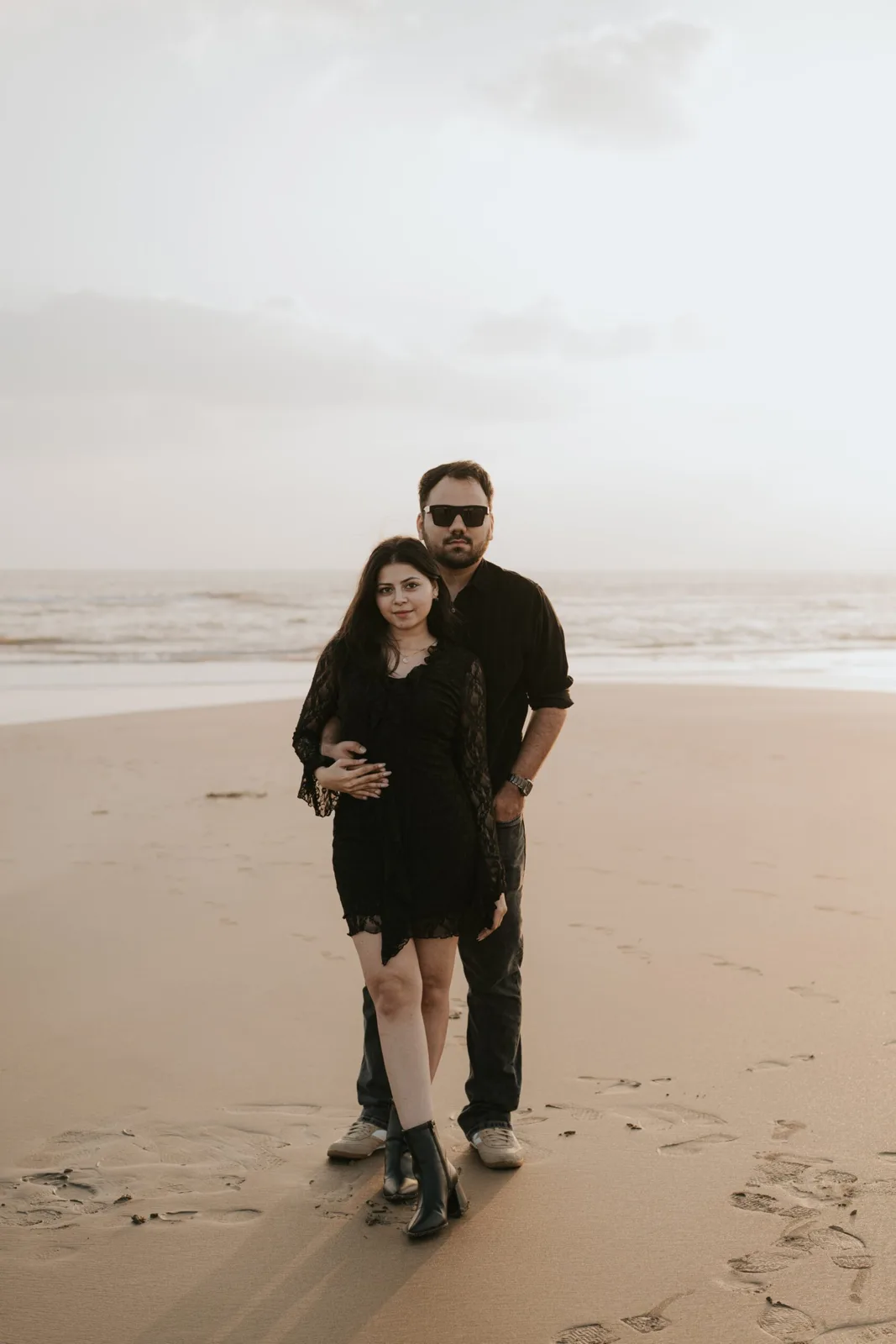
One well-chosen object can connect a sequence of photographs. Give it a role in the action and let the people remain the story. The concept becomes clearer when the object appears in different ways instead of being held toward the camera in every frame.
Choose an object you can explain
Use something connected to an interest or memory you are happy to show. A familiar object can make action easier to understand. If the object is simply styling, describe it honestly rather than inventing a personal history to make the concept sound more meaningful.
Build a beginning and an ending
Decide how the object enters the sequence and what changes by the last image. Opening a book, using an instrument or preparing an activity gives the photographer a natural progression. Keep the story small enough to complete within the available session.
Plan three useful distances
A wider view shows the activity, a medium frame shows the relationship and a detail records the object or hands. Each view should add information. Avoid producing many close-ups that hide the people and leave the sequence without a clear subject.
Keep handling ordinary
Let the person hold or use the object as they normally would. The photographer can refine position without inventing an awkward gesture. Practise only practical movements, especially with fragile or valuable items, so the action remains comfortable and safe.
Choose a setting that supports the action
The environment should make the story plausible and permit the activity. Check surfaces, working space and access. A visually impressive setting may be unnecessary if it makes an ordinary shared activity difficult or creates restrictions that break the sequence.
Include an object-free portrait
Finish or pause with a clear photograph of the people. This gives a useful personal image alongside the storytelling frames. It also prevents the prop from becoming the only way the couple or subject is represented in the collection.
Select a readable sequence
Choose images that show progression rather than tiny changes in hand position. A viewer should understand the activity without an elaborate explanation. Keep captions factual if needed and avoid presenting an illustrative shoot as a spontaneous event that happened differently.
A worked planning example
ILLUSTRATIVE EXAMPLE · NOT A CLIENT CASE STUDY
A couple chooses a handwritten recipe they enjoy making together. Photograph reading it, preparing a simple ingredient and a quiet portrait after the activity. The object links the sequence, while the people and their interaction keep it from becoming a catalogue of kitchen details.
A meaningful object does not have to reveal its entire personal history publicly. Decide which details are comfortable to show and which stay private. If the object contains writing, check whether it should be readable. Keep the handling plan simple and leave the people free to interact. A storytelling sequence can suggest familiarity through ordinary action without presenting every frame as an emotional revelation. Choose an honest caption if needed, and let the object-free portrait remain part of the final set. That image gives the collection a useful human centre beyond the concept's visual device.
If you want a simpler plan
A compact object-led story can use a wider introduction, one genuine action and a relevant detail. Add a clear portrait without the object and keep its handling straightforward. Review whether the sequence makes sense without a long caption. If not, simplify the action or selection. One familiar item can give the collection coherence when its role is visible, allowing the people to remain central rather than making the session revolve around unpacking and arranging several unrelated props.
Try this before the session
Choose a familiar object and write how it enters, is used and leaves the sequence. Make a wider frame, a relationship frame and a relevant detail. Check that the activity remains comfortable and that the setting permits it. Add an object-free portrait so the people have a clear image beyond the storytelling device. Review the sequence without captions first. If the role of the object remains confusing, simplify the action or selection rather than inventing a dramatic explanation that the photographs do not actually support.
Keep the session comfortable for both people
Discuss the concept together before sending the final brief. One person may enjoy a more directed style while the other prefers quiet interaction, so name those preferences and choose a workable starting sequence. Agree who manages bags or outfit help if a companion is coming, leaving the photographer room to give clear directions. Check that the setting and actions support both people rather than only the mood board. A short pause or simpler gesture is a useful adjustment when something feels uncomfortable. Treat optional experiments as additions after the main photographs are covered. The final collection should give you images you recognise and want to use, even if the session produces a different version of the idea than the references first suggested.
Your practical checklist
- Honest connection
- Simple progression
- Wide view
- Relationship frame
- Safe handling
- Clean portrait
- Readable sequence
Questions worth asking
Can an everyday object be enough?
Yes. A clear action and personal connection can give an ordinary object a useful role without elaborate styling.
Do we need to explain the whole story in captions?
Aim for a sequence that communicates visually. A short factual caption can add context when it helps, without inventing a story.
Put the guide into practice
Fine Art Photography is based opposite SBI Bank in Diu. Use the lifestyle photography service page to discuss the assignment itself, including availability, scope and delivery. Share the essential idea, intended use and practical access when you enquire. Travel assignments are confirmed individually. This guide is preparation advice; dates, coverage, editing requests and final deliverables should be agreed directly for your session.
Discuss your photography brief