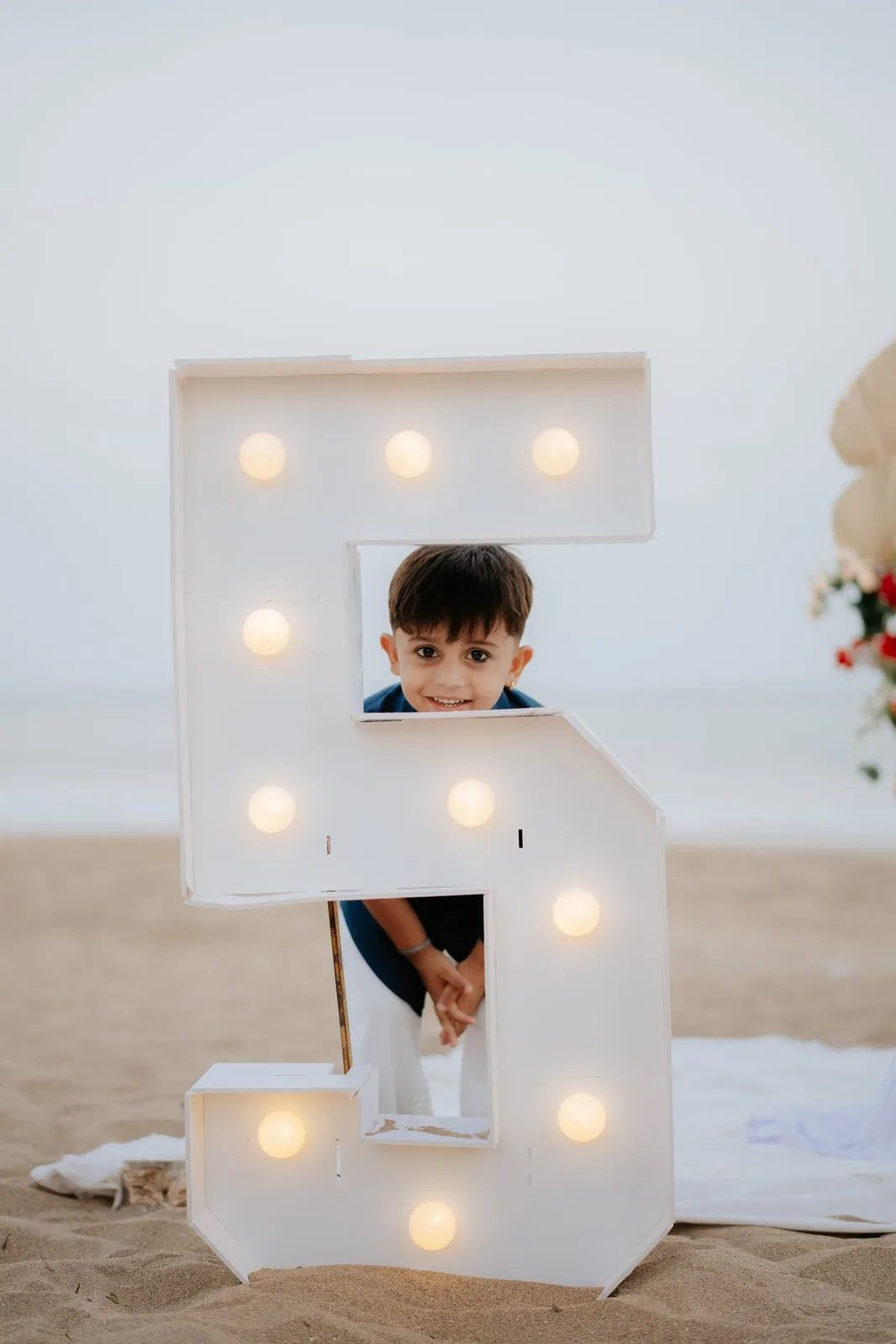
A story-led shoot gives the viewer a reason to move from one image to the next. It can be as simple as preparing an activity, sharing it and pausing afterwards. Keep the sequence believable and small enough to photograph without turning it into a complicated production.
Choose an activity with a natural sequence
Look for something with a beginning, action and ending that the subject can perform comfortably. Keep it connected to their interest. A small familiar activity gives the photographer useful transitions and reduces the need for constant instructions about invented emotions.
Define the feeling separately
Decide whether the story is calm, playful, reflective or energetic. The same activity can look different through expression and framing. Explain that direction before adding styling, so the clothes and background support the intended mood rather than compete with it.
Plan a scene-setting image
Include a wider view that helps the viewer understand the space and activity. Keep distracting objects out where possible. The frame should provide context, not simply show everything in the room because it happens to be available.
Follow the interaction
Photograph hands, attention and exchanges as the activity unfolds. Let the person continue at a comfortable pace rather than stopping every movement. The photographer can refine position beforehand, then look for moments within the action instead of directing every expression.
Use details as transitions
A close view of a tool, object or small gesture can connect two wider images. Choose details that belong to the story. Unrelated decorative shots may look attractive alone while interrupting the sequence and making the viewer wonder why they are included.
Create a clear final frame
A pause, completed task or quieter portrait can give the sequence a natural ending. It does not need a dramatic gesture. Discuss that image before starting so the session does not finish with a collection of beginnings and actions but no sense of arrival.
Select for progression
Choose photographs that move the story forward and remove repetitive stages. Be honest about the session when writing captions. A planned illustrative sequence should not be presented as documentary evidence of an event or experience that did not occur.
A worked planning example
ILLUSTRATIVE EXAMPLE · NOT A CLIENT CASE STUDY
A subject wants a sequence about playing music. Begin with preparing the instrument, show the activity and finish with a quiet portrait after the playing stops. A viewer can follow that progression without requiring costumes, unrelated props or a fabricated dramatic narrative.
A planned story can remain honest about what it is. The subject may repeat an ordinary action for the camera, and the photographer may guide position. That does not require inventing a history or claiming the sequence was spontaneous documentary coverage. Keep captions factual and let the images carry mood through expression and progression. If the activity becomes uncomfortable or impractical, simplify the sequence and retain a clear ending. The final set should help the viewer follow a small, believable narrative rather than overwhelm them with decorative frames that belong to several unrelated ideas.
If you want a simpler plan
A short storytelling sequence can show preparation, a familiar action and a quiet ending. Include only details that connect those stages. Let the subject continue comfortably instead of stopping every movement for a new instruction. During selection, remove frames that repeat the same information or introduce a different story. Use an honest caption when context helps. A small readable narrative can be enough, with the final image providing a natural stopping point rather than leaving the collection as several disconnected beginnings.
Try this before the session
Write the story as a beginning, an activity and an ending. Choose a scene-setting view and the details that connect those stages. Test whether the subject can perform the activity comfortably without continuous interruption. Remove an image idea if it belongs to a different narrative or only adds decoration. During selection, keep frames that move the sequence forward. Use a factual caption when context is needed, clearly distinguishing a planned illustrative shoot from documentary coverage of a spontaneous event.
Make the brief fit the person and the final use
Explain where the photographs will appear and how the person wants to be represented. A private keepsake, a public portrait and a creative sequence can call for different choices even when the setup is similar. Confirm who approves image selection and any specific editing requests. Keep feedback attached to file identifiers so a practical change cannot be confused with another photograph. If someone feels uncomfortable with an action or the way their appearance is discussed, adjust the session respectfully. Record a straightforward alternative when the brief includes an experiment, allowing the collection to remain useful beyond that effect. During review, choose images for expression, clarity and purpose rather than assuming the most dramatic frame must become the main portrait.
Your practical checklist
- Familiar activity
- Defined mood
- Wider introduction
- Genuine action
- Relevant detail
- Ending image
- Honest captions
Questions worth asking
Does a story-led shoot need a script?
A simple sequence is often enough. Use a script only when it helps the concept without making ordinary actions feel forced.
How many images tell the story?
Choose according to the activity and final use. Each selected image should contribute a new stage or detail rather than repeat the previous one.
Put the guide into practice
Fine Art Photography is based opposite SBI Bank in Diu. Use the lifestyle photography service page to discuss the assignment itself, including availability, scope and delivery. Share the essential idea, intended use and practical access when you enquire. Travel assignments are confirmed individually. This guide is preparation advice; dates, coverage, editing requests and final deliverables should be agreed directly for your session.
Discuss your photography brief