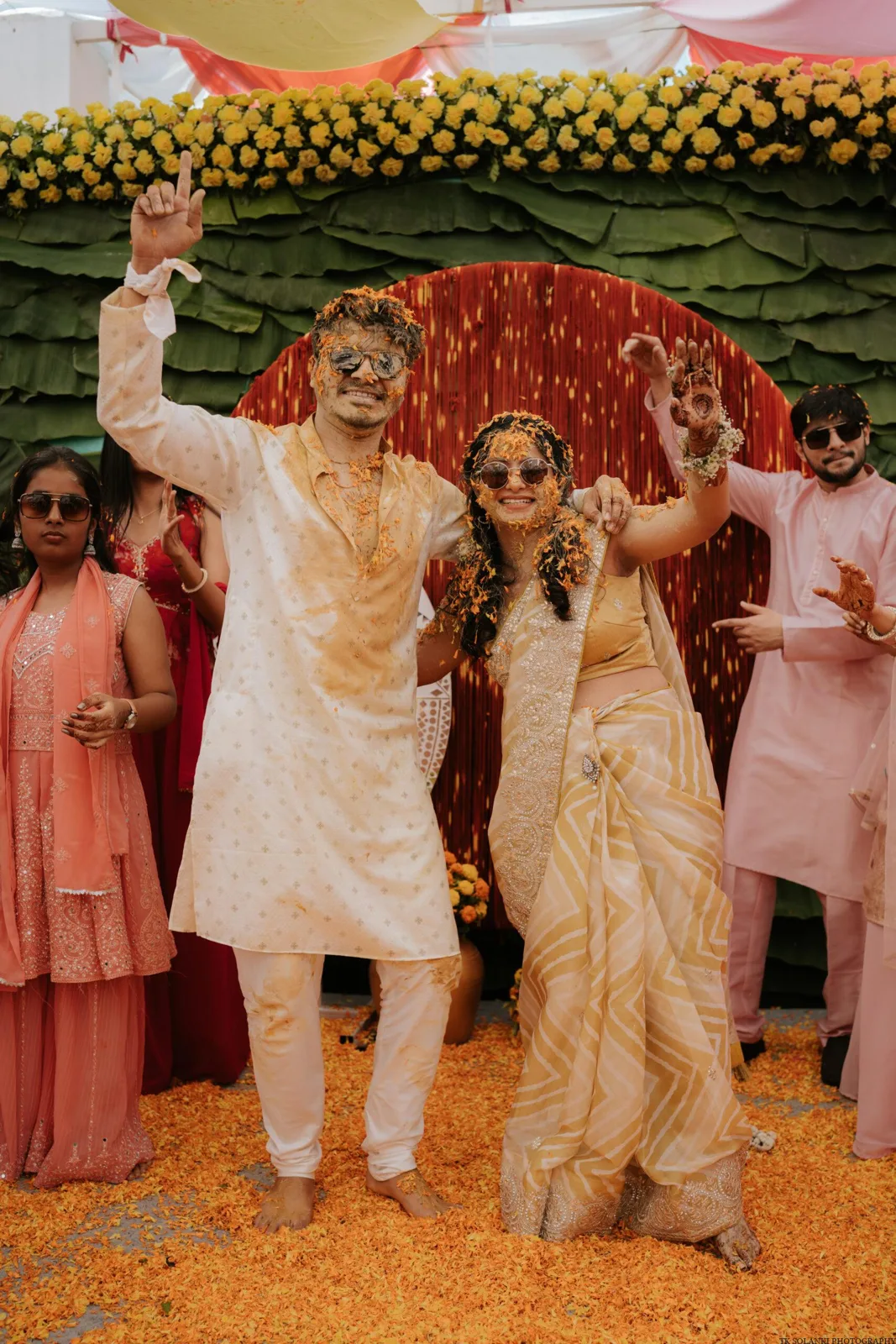
A multi-day wedding can produce a rich collection, but a vague request to cover everything makes planning difficult. Each celebration may have different people, timing and atmosphere. Some events are intimate; others involve a larger audience and a fixed sequence. Treat the wedding as connected chapters rather than one very long day. A clear brief explains what makes each chapter important, where coverage begins and ends, and how the final photographs should work together without repeating the same portraits at every event.
Planning a session? Explore our wedding photography service alongside this guide.
Give each event a purpose
Write one sentence about each celebration. A home gathering might centre on close relatives, a haldi on participation and colour, and the ceremony on rituals and family relationships. These sentences help the photographer distinguish the chapters. Avoid copying the same priority list into every day. If a specific relative can attend only one event, record that detail. A useful brief identifies the photographs that belong to that event and the ones that can be made elsewhere in the schedule.
List separate coverage windows
Describe the expected start and finish for each event, including preparation or arrivals if they matter. Do not assume a booking for several days means uninterrupted coverage across every hour between them. Confirm the agreed scope directly. If a celebration runs late, discuss how additional time would be handled before the wedding. Clear windows make the quote easier to understand and help the team plan travel and equipment. They also make it easier to notice gaps before the schedule is final.
Reduce repeated group photographs
Some family portraits need to appear in more than one outfit or setting, but many do not. Decide which group belongs to which day. A large family gathering may offer the best opportunity for a wide portrait, while the ceremony day can focus on smaller essential relationships. Keep a record of the groups already covered and those still needed. A helper can support this without turning the couple into administrators. The point is to preserve meaningful variety rather than repeat every combination out of habit.
Share changes across the whole plan
A venue move or delayed arrival can affect more than one event. Keep one current schedule and mark updates clearly. Tell the photographer when a change alters access, coverage or the people available. Avoid relying on an earlier discussion if the final plan is different. Introduce the coordinator for each day, particularly when different relatives organise different celebrations. The photography team needs to know who can answer an ordinary question onsite without repeatedly contacting the couple.
Decide how visual continuity should work
The celebrations can have distinct colours and energy while still feeling like one wedding collection. Discuss whether you prefer broadly natural colour, a consistent editing approach, and a mixture of close details and wider scenes. You do not need identical backgrounds or posing at every event. The connection can come from recurring relationships and the progression of the story. Ask to see a complete example collection where relevant, rather than judging continuity from a handful of social-media highlights taken across unrelated weddings.
Protect rest and private time
A multi-day schedule can become tiring, particularly when preparation, travel and photography overlap. Tell the team which periods should remain private or uncovered. Do not add a portrait session to every available gap. A few well-chosen opportunities may produce more comfortable photographs than repeated requests when everyone is exhausted. If you want a quieter portrait sequence, place it where it fits the couple’s energy and practical commitments. Good coverage should reflect the celebration without requiring constant attention to the camera.
An illustrative three-chapter brief
Consider a home gathering, a daytime celebration and a formal ceremony. The home chapter prioritises elders and familiar surroundings. The daytime event focuses on participation, with one family group already planned there. The ceremony chapter preserves the main rituals and the remaining essential portraits. Each has its own coverage window and coordinator. This is an example of organising a brief, not a client story or a package promise. The final agreement should describe your actual events and what is included for each.
Discuss delivery as well as attendance
Ask how images from different events will be organised and whether any preview is part of the agreement. Confirm selection, editing, delivery format and expected timing directly. Do not infer an earlier delivery because the first event finishes before the others. A connected wedding collection may be edited and delivered as one project. If you need particular photographs for a near-term family use, mention that before booking. Any special requirement should be agreed rather than assumed after the celebration.
Give the final album a clear progression
During selection, think about transitions between chapters. A familiar person appearing at different events can connect the story; a repeated wide view may not add much. Choose photographs that show changes in atmosphere, clothing and relationships. Include quiet images between energetic moments so the album has room to breathe. The strongest sequence does not necessarily contain the same number of photographs from every day. It should give each celebration the space its story needs.
Bring the event-by-event brief to the wedding photography service page. Include dates, coverage windows, important people and the coordinator for each chapter. That information helps shape a quote around the celebration you are planning, rather than an unclear promise to photograph everything.
Discuss your photography brief
Share your intended use and priorities through our wedding photography service page. Fine Art Photography is based in Diu; travel assignments, coverage, editing and delivery are confirmed individually. Bring the decisions from this guide to the conversation so the proposed session can reflect what you need.
Discuss your photography brief