Choose clothing that sits comfortably when standing, sitting and walking. A loose neckline, pulling button or restrictive sleeve can become a repeated distraction, even when the outfit looked good in a quick mirror check. This guide brings the decisions together for portrait photography in Diu: what to prepare, what to explain and how to make the final collection useful. Fine Art Photography provides portrait photography across Diu, with the brief shaped around your date, location and priorities. Start with the photographs you need rather than a long list of poses or a package name. The strongest plan is one you can actually follow, with enough space for the people and the setting to feel natural.
Begin with fit
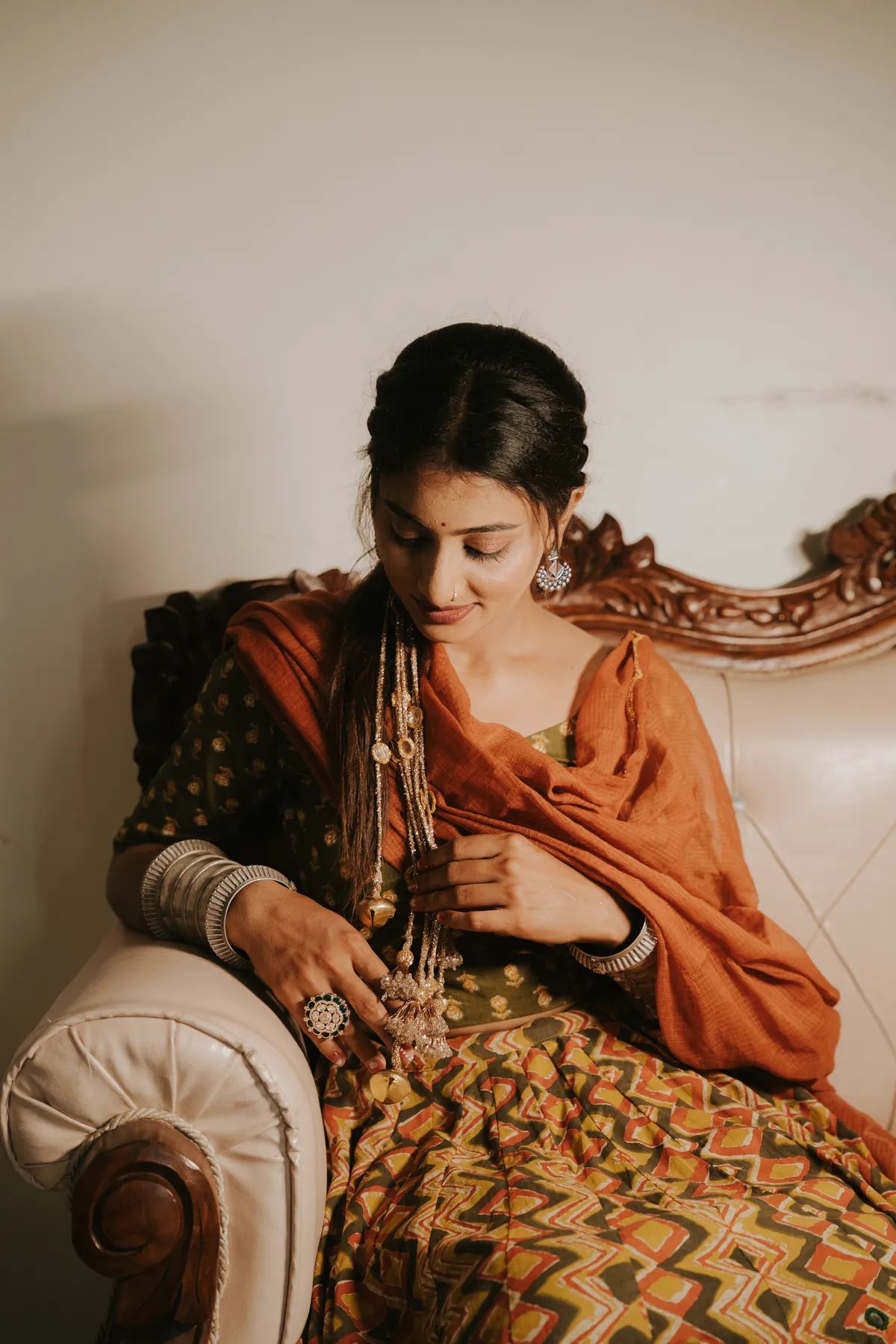
Choose clothing that sits comfortably when standing, sitting and walking. A loose neckline, pulling button or restrictive sleeve can become a repeated distraction, even when the outfit looked good in a quick mirror check.
Confirm the detail with the person who is responsible for it. A photographer can discuss the visual plan, but access, attendance and the readiness of a setting may depend on others. Give the agreed information to one main contact and update it if anything changes. This keeps the session moving without asking everyone to repeat the same instructions at different points in the day. For this assignment, keep a person’s expression and a considered background in mind when deciding what belongs in the brief.
Coordinate the group gently
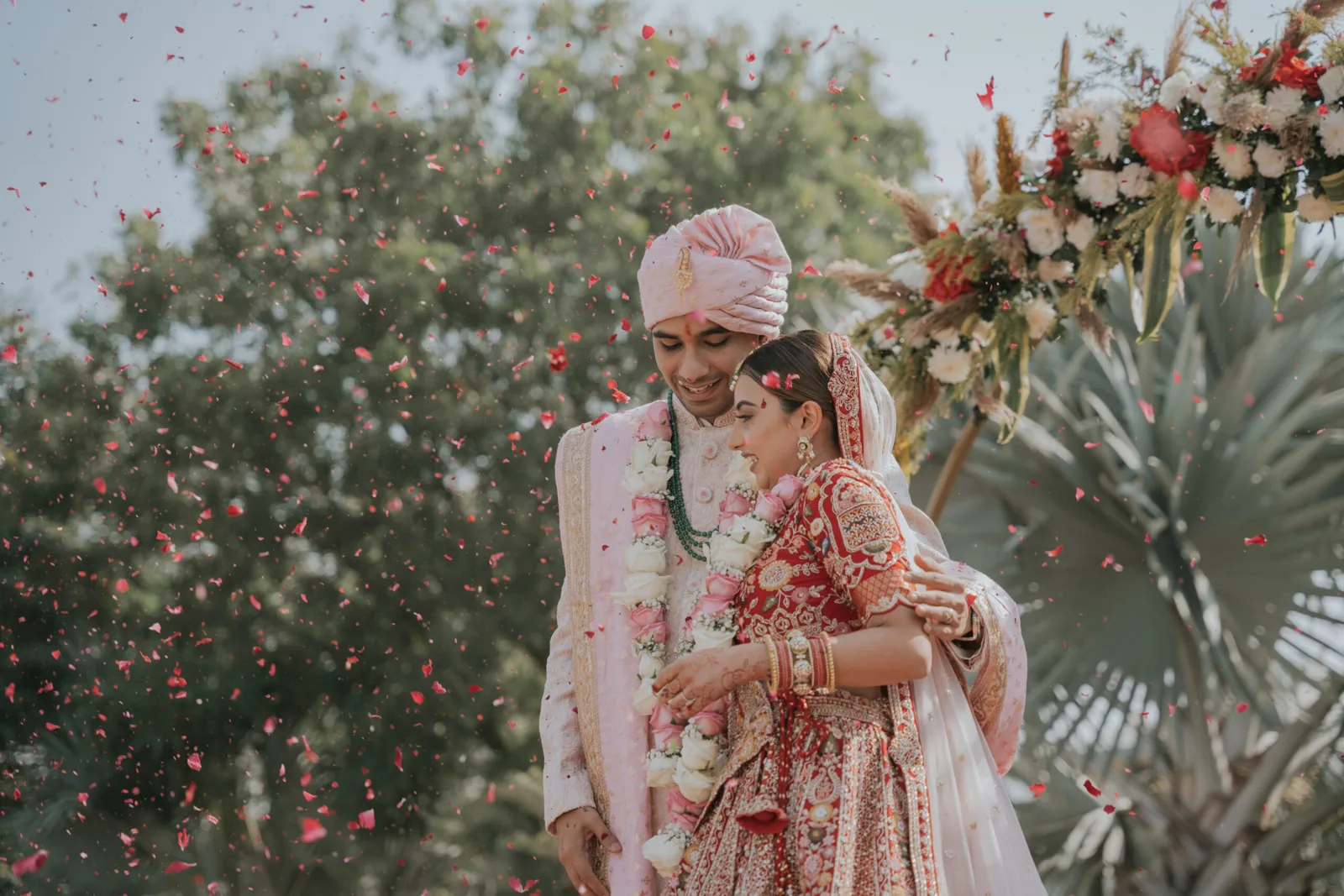
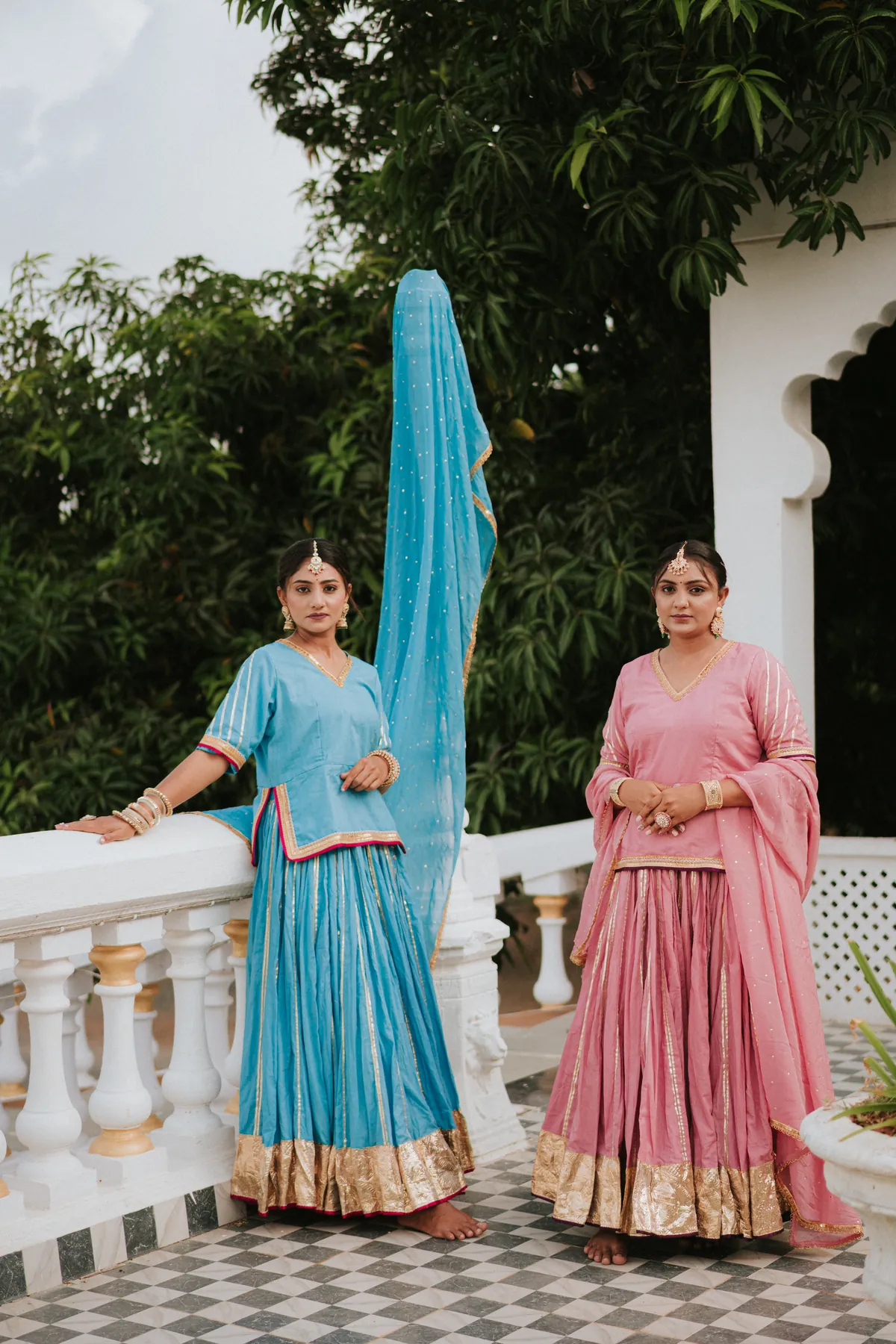
Lay outfits together and look at the overall balance of colour and formality. Related tones can create a coherent group without identical clothes, and each participant should still feel comfortable in what they wear.
Use this as a practical decision, not a reason to make the session more elaborate. Decide who will handle it and when it needs to be ready. If it depends on someone else, speak to that person before the shoot rather than trying to solve it while the camera is waiting. A short written note is enough; the aim is to remove uncertainty, not create a complicated production document. The intended outcome is recognisable portraits with useful framing, so explain how this choice supports the photographs you need.
Think about the setting
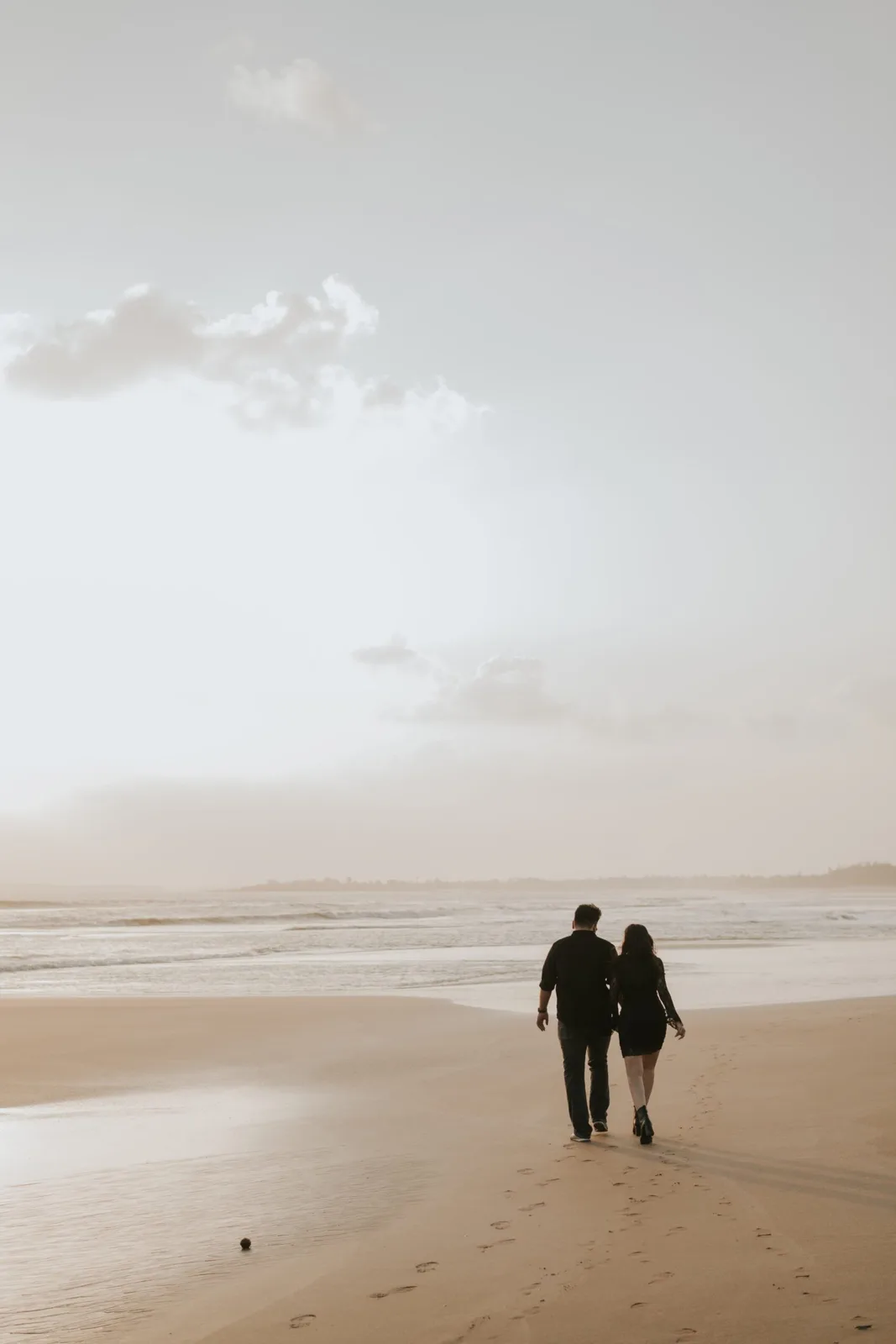
A coastal shoot may involve sand and wind, while an indoor portrait can be more controlled. Select footwear and layers for the actual route rather than a photograph you imagined without considering how to reach the setting.
Keep the distinction between a requirement and a preference clear. A photograph you must have belongs in the priority list, while a mood or visual reference can guide the overall approach. Explain the reason behind your choice. Knowing why something matters helps the photographer adapt intelligently if the original plan becomes impractical, rather than simply repeating a pose or following a list without context. Pay particular attention to comfort with direction and personal image preferences; it can influence what is realistic within the agreed session.
Keep patterns intentional
Small busy patterns, large logos and very different levels of formality can pull attention from faces. Use them if they belong to your story, but check whether one item dominates the entire group.
Review the decision in relation to the finished photographs, not only the experience on the day. Think about whether it will make the collection clearer, more personal or easier to use. When an idea does not serve one of those purposes, it can remain optional. Giving the important photographs enough attention is often a better use of a limited session than chasing every possible variation. A useful check is whether this decision helps avoid choosing an elaborate pose instead of a believable expression.
Bring fewer, useful changes
Choose one main outfit and a realistic alternative if your booking includes time to change. Too many options can use the session before photography begins, especially when changing facilities are limited.
A helpful way to check this choice is to imagine the first few minutes of photography. What has to be available, who needs to be present and what could interrupt the sequence? Bring those answers into the brief. If a detail is essential, mark it as a priority; if it is only an option, keep it flexible so it does not crowd out a more meaningful photograph. Bring the question back to portrait photography: what would make the collection more useful for you after the session?
Prepare the night before
Check clothes, shoes and accessories and place them together with essentials. Ask the photographer about any concerns early; a calm preparation is usually more useful than replacing the whole wardrobe at the last minute.
Check how this affects the rest of the session. Adding one extra step can mean more waiting, another change or less time for the main photographs. Make the trade-off deliberately and tell the photographer which part matters most. A focused plan usually creates more useful variety than repeatedly adding ideas without changing the available time or the preparation behind them. Include this in your conversation about portrait photography in Diu, especially if it changes the coverage or delivery you originally discussed.
A brief you can use
Before enquiring, write a short paragraph describing a person’s expression and a considered background and the way you want the photographs to feel. Follow it with the date, proposed meeting point and your main priority. If you are undecided, say which decisions remain open. Clear questions are more useful than a very long message copied from several unrelated examples.
Next, check the practical plan against comfort with direction and personal image preferences. Identify what must be ready before photography starts and who will handle it. Reserve time for arrival, preparation and a little flexibility. Keep the essential images separate from optional ideas so the photographer can concentrate on the important part if the schedule becomes tighter.
Finally, discuss recognisable portraits with useful framing as a deliverable. Tell the photographer how you plan to use the images and ask about edited files, delivery and any print requirements. Confirm the scope before the day, then send updates if the brief changes. A clear agreement gives both sides the same starting point and keeps the session focused on useful photographs.
Making the plan work in Diu
Fine Art Photography is based at Opposite SBI Bank, Diu, Dadra and Nagar Haveli and Daman and Diu 362520. The business provides photography services across Diu; a location mention does not promise a particular backdrop or unrestricted access. For portrait photography, share the exact address or meeting point, then agree the route and timing with the photographer.
For an outdoor assignment, confirm conditions close to the day and keep a practical alternative. For a privately managed venue or business space, arrange access with the responsible person. If your brief involves a person’s expression and a considered background, make sure the participants or items can be ready at the planned time. These details turn a general idea into a session that can be photographed calmly.
Explore the Diu location guides for planning context and the portrait photography service page for the relevant enquiry route. Availability, coverage and delivery are discussed individually. Photography remains the service being booked, while other arrangements stay with you or your chosen providers.
Questions before you book
Does Fine Art Photography offer portrait photography in Diu?
Yes. Fine Art Photography offers portrait photography across Diu and is based opposite SBI Bank. Share your date, the proposed setting and the main photographs you need so availability and scope can be discussed. A guide explains how to prepare; the actual booking, coverage and delivery are confirmed directly for your brief.
What should I send with my first enquiry?
Send the date or a realistic date range, the Diu location and a short description of a person’s expression and a considered background. Explain that you want recognisable portraits with useful framing, mention any timing limits and share a few visual references if they help. You do not need a finished shot list, but clear priorities make the next conversation more useful.
Are arrangements beyond photography included?
The service is photography. Venue booking, decoration, celebration organisation and other arrangements are not assumed to be included. For portrait photography, confirm the photography coverage, edited files, delivery and any optional items directly. If someone else is preparing the setting or coordinating participants, introduce a main contact and share the agreed schedule.
How should I choose the location and session length?
Choose them together around comfort with direction and personal image preferences, access and the photographs you want. Start with one practical setting, estimate preparation and movement time, and ask the photographer to review the plan. If you add subjects, a second setting or extra coverage, request an updated scope instead of assuming the original time will still be enough.