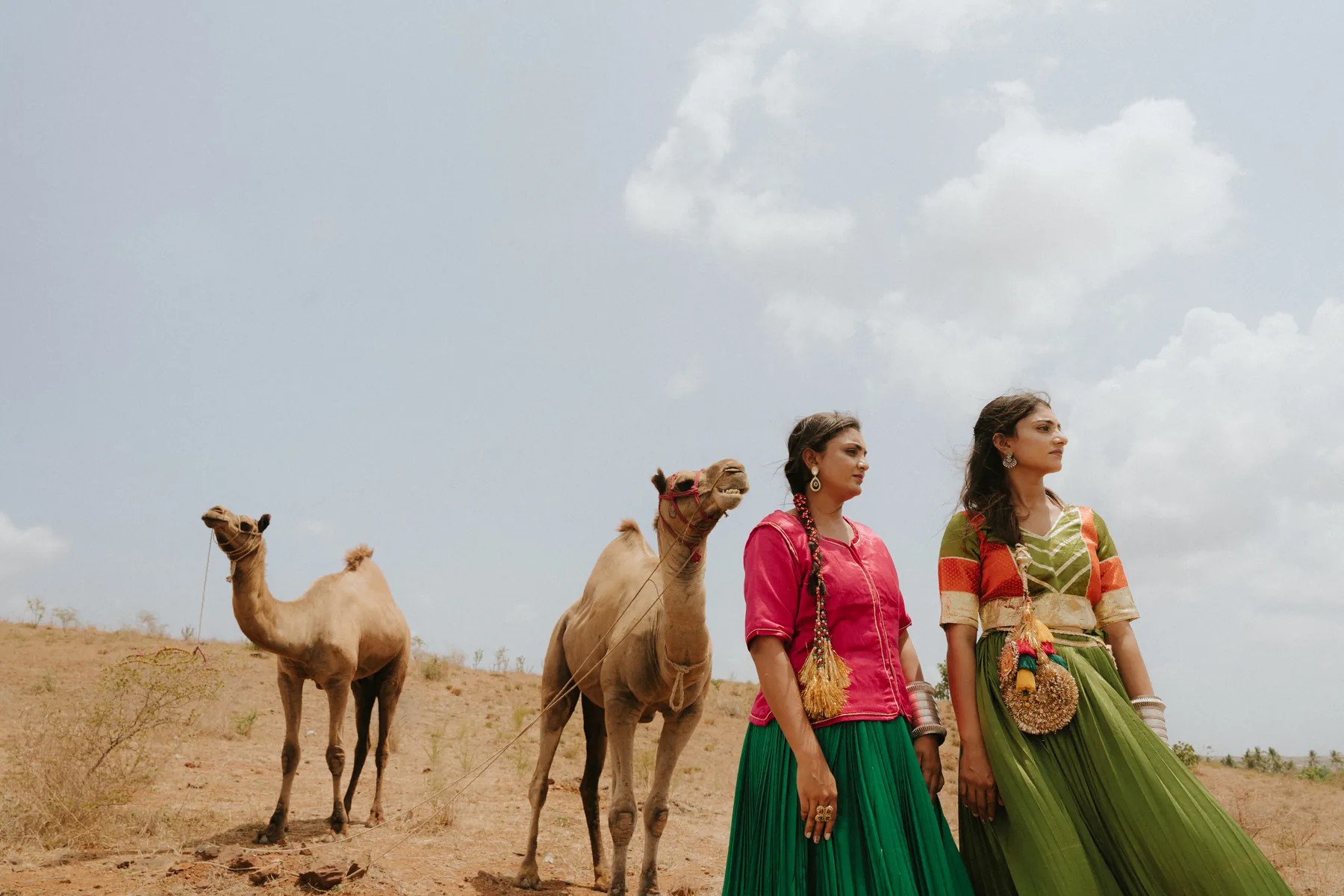
A fashion lookbook can become rushed when the outfit count is decided before anyone considers dressing time, garment adjustments and the views each look needs. The session then produces one attractive frame per outfit but misses details customers wanted to see. For fashion photography in Diu, plan the lookbook around the garments and their intended use. A smaller, complete collection may serve the business better than a longer rail of outfits photographed hurriedly. The schedule needs to account for changing clothes as well as taking pictures.
Give each outfit a clear role in the collection
Choose the looks that represent the range and identify which ones need priority. List sizes, accessories and any garment detail that should be visible. Decide whether the lookbook is mainly editorial, a shopping guide or a mixture. An expressive portrait may suit an editorial page while a listing also needs the garment's shape and fit. Avoid assuming that one dramatic image performs both jobs. Share actual layouts or sample pages so the photographer understands the balance. If the range includes similar colour variants, explain whether they need separate photographs or accurate supporting product frames.
Account for dressing and garment preparation
Have clothing ready, steamed or otherwise prepared as appropriate, with accessories organised by outfit. Ask the person handling styling how long each change is likely to take. Provide a private changing arrangement and a practical place for garments that are waiting. Confirm who checks fit and adjustments while the photographer works. A Diu hotel or private location needs explicit permission for the planned use and equipment. Don't use photography time to locate missing items from several bags. The outfit rail, schedule and responsible styling contact should make it easy to move from one look to the next without hurrying the model.
Make the essential garment views first
For each priority look, decide whether you need a fuller front view, a back or side view and a detail. These can establish the garment before you make more expressive photographs. Give the model clear information about movements that will show the shape or material. Don't ask them to hold a position that distorts the fit if the frame will be used as a product reference. If the shoot is editorial, distinguish those more interpretive images from the factual lookbook views. Clothing should remain recognisable as the item offered, including the accessories that are sold separately or used only for styling.
Use locations and movement with a purpose
Choose backgrounds that support the range rather than overpower it. If a coastal setting in Diu is part of the brief, consider wind, footwear and how fabrics behave. The photographer and stylist can adapt, but the plan shouldn't depend on a garment staying perfectly still outdoors. Limit travel between settings when multiple outfits need attention. A consistent area can create a coherent collection with variations in angle and movement. Confirm access to every chosen location before publishing a timetable. An appealing reference image is not proof that the same space is available for a commercial lookbook session.
Review files against the outfit list
Check that each delivered set has the required views before selecting only the most striking photographs. Match file names to garment codes or look numbers. Agree on editing that preserves important material and colour information. Keep original files for print and prepare copies for the intended web layouts. Make sure model permissions cover the uses planned, and credit collaborators accurately where agreed. If a garment changes after photography, update the listing rather than leaving an older version in circulation. A useful lookbook gives viewers a sense of the collection while still answering practical questions about the clothes they may choose.
A sample plan you can adapt
An illustrative lookbook for three outfits could follow the same order for each: a full-length view, a closer fabric or construction detail, and a frame showing a useful change in position. Confirm the outfit names and sizes before the first photograph. If the collection includes an accessory that is not part of the sale, note it beside the outfit rather than relying on memory during publishing. Keep a simple reference frame so light and framing can be checked as clothing changes. This example is a planning outline, not a description of a fashion assignment. A model's comfortable movement can help show the garment, but a pose should not hide the feature buyers need to see. After the session, review the selection against the clothing list. Three attractive front views do not replace a missing back detail if the back construction is a defining part of the design.
Discuss your session with Fine Art Photography
Planning planning a small fashion lookbook in Diu without rushing each outfit starts with your own priorities, rather than somebody else's photograph list. Share the points in the brief below with Fine Art Photography, together with your preferred date and the people or items involved. Our fashion photography service in Diu is the place to discuss suitable coverage, availability and delivery. If your plans also include product photography, review our product photography service and explain how the two needs fit together. Confirm the agreed scope before booking, including the essential images, practical limits and intended uses. That conversation gives everyone a clearer starting point for the session.
Your photography brief
Use these points as a starting list. Add the details that matter in your situation, and ask which decisions need to be settled before the appointment.
- Prioritised outfits, codes and garment details
- Editorial versus shopping-image roles
- Styling contact and change-time allowance
- Private changing space and location permission
- Model use agreement and required views per look
Common questions
How many outfits fit in a session?
Ask after sharing the garments, locations and required views. Changing time and preparation vary, so a universal outfit count is not a reliable planning rule.
Can we use the same images for listings and campaigns?
Some images may work for both, but each use needs suitable framing and rights. Plan factual garment views and campaign compositions where their needs differ.