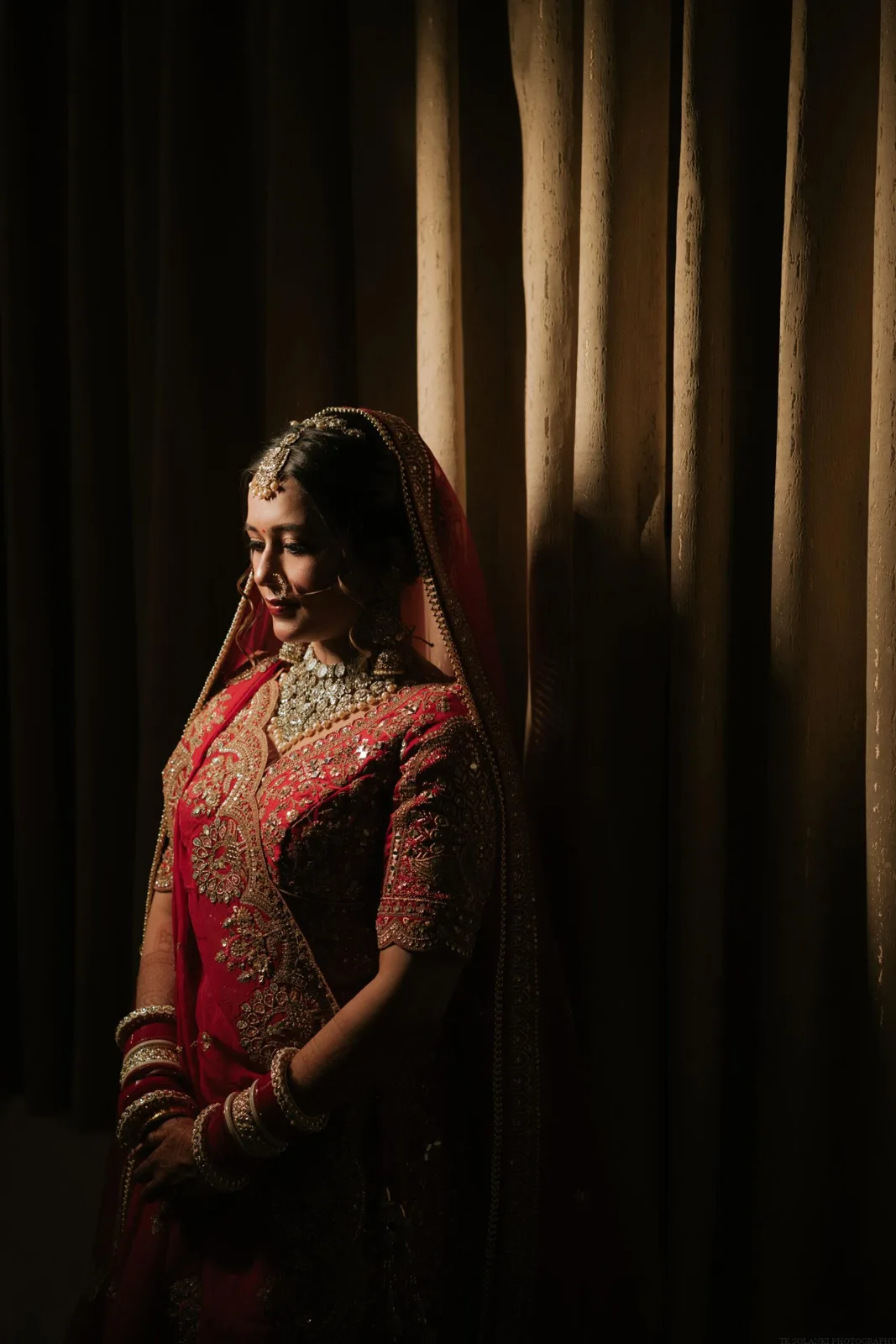
A delivered gallery can feel generous and difficult at the same time. Several expressions work, family members choose different favourites, and selecting photographs for a frame is different from choosing photographs for an album. A shortlist helps when it has a purpose. It becomes frustrating when every image has to compete for one undefined title of best photograph. Keep the complete delivery separate from your working choices and decide what the shortlist needs to do before opening the gallery again.
Planning a session? Explore our portrait photography service alongside this guide.
Start with one intended use
Write a sentence such as, “I need three portraits for the hallway,” or, “We are choosing an opening sequence for our family album.” These are different tasks. A hallway selection needs pictures that work together at a similar viewing distance. An album opening needs an introduction to people and setting. If you also want social images, give that selection its own list. One photograph can appear in several lists, but each list should have a clear reason to exist.
Make the first pass about response
On your first viewing, mark images that make you pause. Look for expression, connection, a meaningful detail or a moment you want to remember. Avoid deciding every crop or print size at this stage. Those practical checks belong in a later pass. If a picture makes you smile but has an awkward background for a frame, keep it among your favourites until you know whether a different use suits it. A useful first pass collects possibilities; it does not settle every decision.
Compare similar images in small groups
Near-identical photographs are easier to judge together than across a long gallery. Compare three or four from the same moment. Check eyes, hand position, expression and whether the image feels natural to the people shown. Choose one leading version and retain another only if it offers a genuinely different mood. Do not assume the sharpest smile or the most symmetrical pose is always the most meaningful. A quieter expression may tell you more about the relationship.
Separate personal value from public use
Some photographs matter deeply because of who appears in them, even if you would not display them publicly. Give those images their own space in your selection. A private keepsake does not need to meet the same criteria as a website portrait. If someone else is visible, discuss public sharing with them rather than treating your favourite as automatic permission. This small distinction prevents a shortlist from discarding emotionally important images simply because they do not fit a social-media plan.
Use filenames instead of descriptions
Record the original file identifier beside each choice. “The one near the window” becomes unclear when there are twelve window photographs. File identifiers let the photographer, album designer or printer understand exactly which image you mean. If the gallery has a favourites feature, use it, but also confirm how the photographer receives that list. A screenshot of a selection can help explain the layout; it should not become the only record of which original file was chosen.
Add a reason when two choices compete
A short note makes a difficult decision easier to revisit. One image might have the strongest expression, while another shows an heirloom or a loved one in the background. Record those differences in ordinary words. You may discover that both deserve a place in an album while only one belongs in a frame. The goal is not to prove that one photograph is universally better. It is to choose the photograph that serves this particular space or sequence.
An illustrative selection exercise
Imagine choosing six portraits from a larger session: two for a wall, two for a personal album and two for public profiles. Begin with separate lists. The wall pair might share a calm palette; the album pair might show a wide view and a close connection; the profile pair might need clear faces and useful crops. Some choices can overlap. This is an example of a selection method, not a client case study or a required number of delivered photographs.
Check practical limits before final approval
Before sending a final print or album list, confirm orientation, available crop and any design requirements. A photograph with hands close to the edge may need a different framing approach from an image with generous space around the subject. Ask the photographer to review doubtful choices at the intended size. Do not repeatedly export and crop the only copy you have. Work from duplicates and keep the original delivered files available for the final production step.
Keep the full delivery and the final shortlist
Name your finished list by purpose and date so it is distinguishable from earlier drafts. Retain the complete delivered gallery according to your agreed download and storage arrangements. Favourites are a useful route into a collection, not a replacement for it. Once the decision is complete, stop reopening the shortlist without a new reason. Endless comparison can make every photograph feel less satisfying. A thoughtful selection should make the collection easier to enjoy.
Use the portrait photography service page to discuss intended image uses before a session. Tell the team whether you need framed portraits, a public profile or a personal series. Planning for these differences gives your later selection a clearer starting point and helps the photographer understand what useful variety means for you.
Discuss your photography brief
Share your intended use and priorities through our portrait photography service page. Fine Art Photography is based in Diu; travel assignments, coverage, editing and delivery are confirmed individually. Bring the decisions from this guide to the conversation so the proposed session can reflect what you need.
Discuss your photography brief