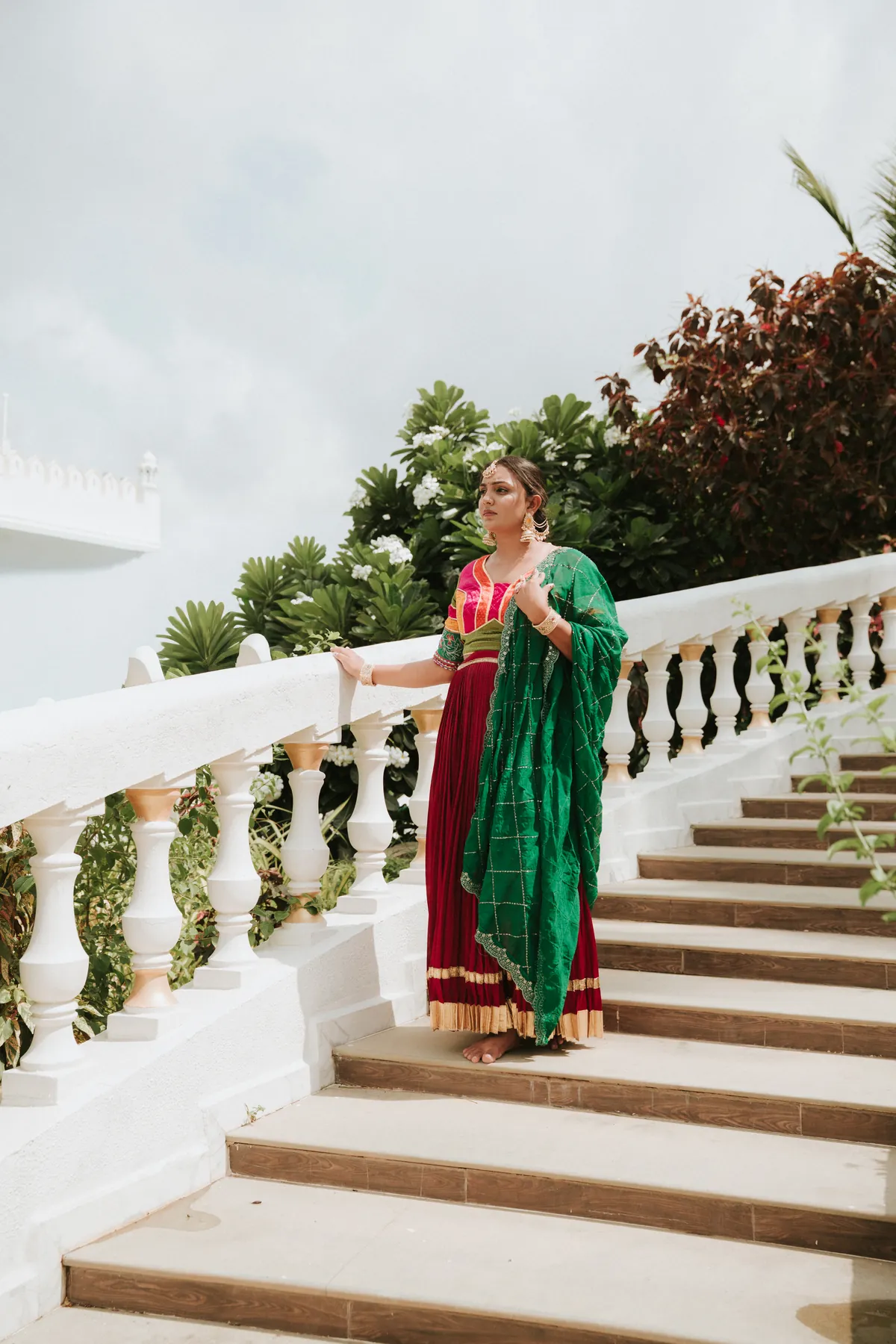
A personal-brand session is easier to plan when you know what the images need to do after the shoot. Otherwise, you may receive a collection of attractive portraits and still have nothing suitable for a website banner or an explanation of your work. For an independent business in Diu, start with the places where photographs are missing. Then build a modest library with several clear roles. You don't need to manufacture a lifestyle for the camera. Show the person, the work and the surroundings your customers can actually expect.
Audit the gaps before booking
Look at your website, professional profile and recent posts. Note where you repeat the same headshot or use an image that doesn't explain the subject. Divide the gaps into introductions, work in progress, customer-facing information and practical background images. Give each requested photograph a job. A wide portrait with empty space may serve a homepage banner, while a close working detail can explain one part of a service. Choose the most immediate needs first rather than requesting enough content for an undefined year. Your photographer can then discuss coverage around a real list of uses instead of guessing what 'branding photos' means.
Show work that belongs to your business
Choose tools, products and activities you genuinely use. If the session includes a working environment, prepare it as you would for a real visitor without inventing a larger operation. Hide private customer information from screens and papers. Ask permission before including another identifiable person or a client's property. For a Diu business that works at different locations, distinguish the actual workplace from a hired photography backdrop. A staged table can illustrate a task, but it should not suggest that a property or customer relationship belongs to the business when it doesn't. Credibility comes from clear, accurate images rather than elaborate scenery.
Build variety around image roles
Plan a straightforward portrait, an environmental portrait, several genuine work details and a few wider compositions. Consider horizontal banners and vertical formats as separate needs. Clothing changes may help if they reflect different parts of your normal work, but they are not the only source of variety. A change in viewpoint or task can make the library more useful. Discuss which images need space for text and which will be displayed alone. Avoid asking the photographer to make every frame suitable for every format; that often results in loose compositions that do none of the jobs particularly well.
Keep the session connected to real business messages
Write a few subjects you regularly explain to customers, such as how a consultation works, what preparation is needed or how an item is made. Match each subject with an image idea. This is different from staging dozens of generic laptop photographs. A business owner who mainly works with physical products may need hands, materials and scale more than keyboard scenes. Explain which tasks can be shown during the session and how long they take to prepare. If customers are absent, don't describe the images later as photographs from an actual client appointment. You can show a process demonstration clearly without pretending it was something else.
Organise delivery so the images get used
Agree on folders or file names that distinguish portraits, work details and banner options. Keep the original delivered files and create smaller copies for everyday uploads. Record any usage restrictions for people, locations or third-party material included. Plan a sensible order for publishing, but don't imply that every frame is a new event that happened that morning. Revisit the library when staff, products or surroundings change. A useful collection should make your communication easier and more accurate. If you still cannot explain what a photograph supports, it probably didn't belong on the priority list for the first session.
A sample plan you can adapt
Imagine an independent designer updating a website with four main sections: an introduction, a description of the work, a process page and a contact page. A single headshot cannot comfortably illustrate all four. The introduction may need a portrait with room for a short headline; the process page needs a close view of real materials or tools. The contact page can use a quieter environmental photograph. Write those jobs beside the proposed images before choosing clothing or props. Then check whether the same photographs also work for professional profiles without losing the subject in a square crop. This is a sample brief, not a claim about a particular client. It shows why a useful library begins with communication needs. If the designer has no suitable workspace available, discuss an honest alternative and avoid captions that imply a hired room is their studio. A modest, accurate collection gives the business several ways to explain itself.
Discuss your session with Fine Art Photography
Planning building a useful personal-brand photo library for a Diu business starts with your own priorities, rather than somebody else's photograph list. Share the points in the brief below with Fine Art Photography, together with your preferred date and the people or items involved. Our personal branding photography service in Diu is the place to discuss suitable coverage, availability and delivery. If your plans also include professional headshot photography, review our professional headshot photography service and explain how the two needs fit together. Confirm the agreed scope before booking, including the essential images, practical limits and intended uses. That conversation gives everyone a clearer starting point for the session.
Your photography brief
Use these points as a starting list. Add the details that matter in your situation, and ask which decisions need to be settled before the appointment.
- Website and profile gaps you want to fill
- Real tasks and tools available to photograph
- Horizontal, vertical and text-space requirements
- Permissions for people and workplaces
- Folder names, usage needs and publishing priorities
Common questions
How many photographs should a brand library contain?
Decide from the actual uses and the time available. A smaller set with clear roles can be more useful than a large collection of near-identical portraits.
Can the session include a professional headshot?
Yes, include it in the brief. A clean headshot and wider branding photographs serve different purposes, so make sure both have agreed time and framing.