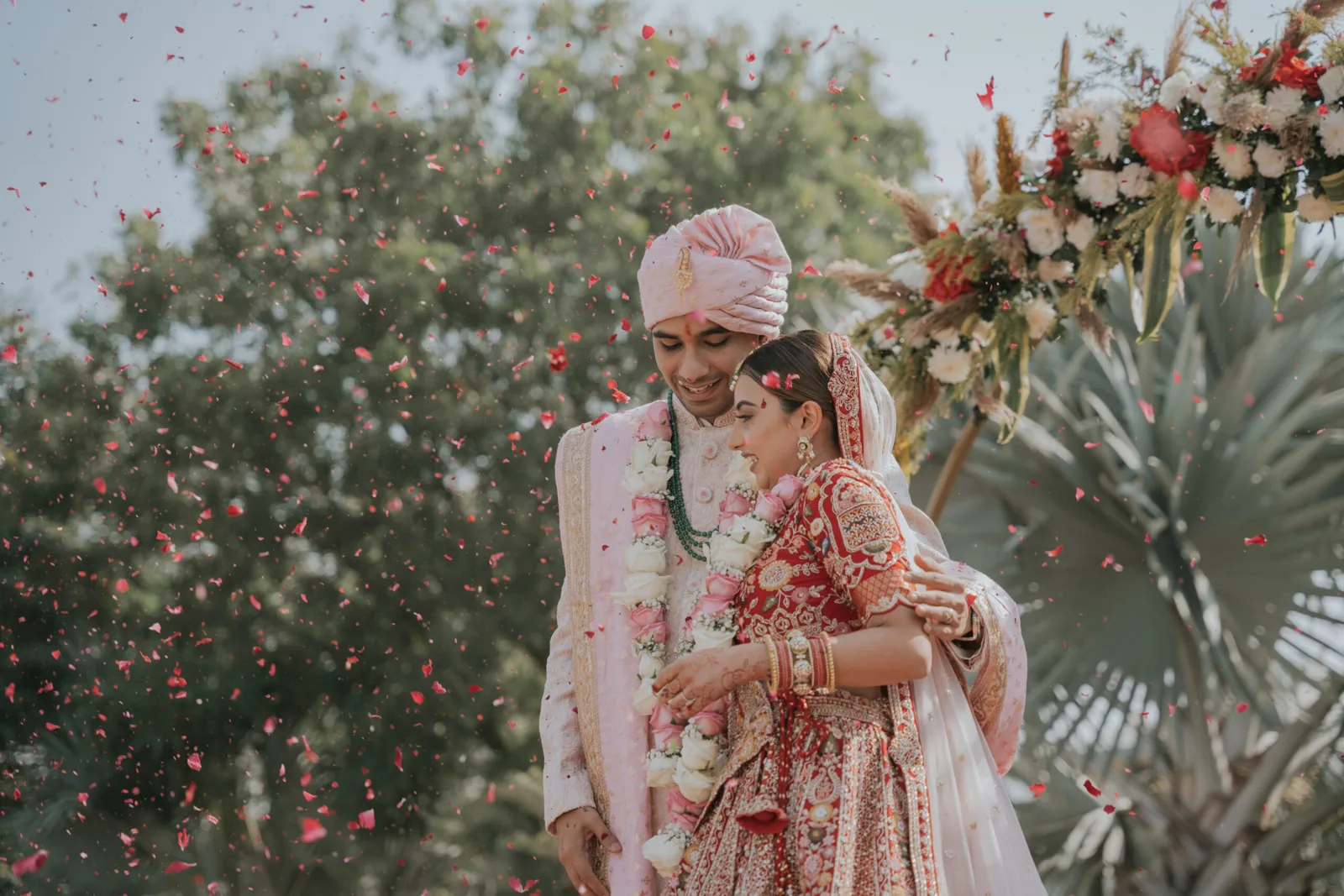
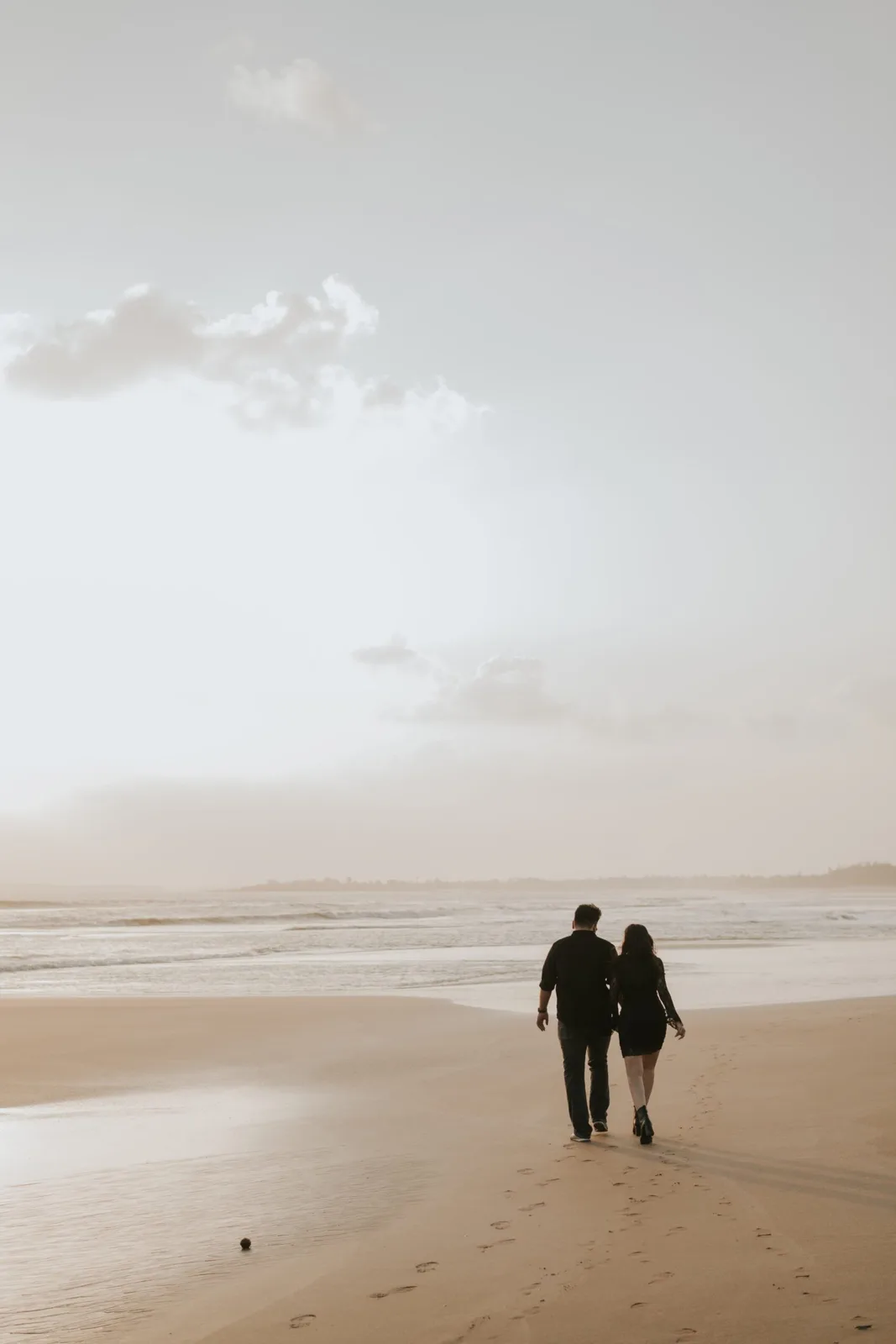
Identify interactions and people you would particularly like recorded. Candid coverage is observational, but context helps the photographer recognise a meaningful exchange that might otherwise look like an ordinary conversation. This guide brings the decisions together for candid photography in Diu: what to prepare, what to explain and how to make the final collection useful. Fine Art Photography provides candid photography across Diu, with the brief shaped around your date, location and priorities. Start with the photographs you need rather than a long list of poses or a package name. The strongest plan is one you can actually follow, with enough space for the people and the setting to feel natural.
Explain the moments that matter
Identify interactions and people you would particularly like recorded. Candid coverage is observational, but context helps the photographer recognise a meaningful exchange that might otherwise look like an ordinary conversation.
Give the photographer context about relationships and small traditions that matter. Explain who might otherwise be difficult to recognise. Observation works best when the photographer understands why an interaction has meaning to the people involved. For this assignment, keep unforced reactions, meaningful exchanges and atmosphere in mind when deciding what belongs in the brief.
Reduce constant posing requests
Let parts of the gathering happen without stopping everyone for a picture. Natural expressions need time, while a small planned portrait window can still cover essential groups without interrupting every interaction.
Reserve formal portraits for a manageable part of the schedule. Outside that window, let guests interact normally. You can still request an important missing group without asking everyone to pause every time the camera appears. The intended outcome is observational photographs with agreed formal priorities, so explain how this choice supports the photographs you need.
Share the schedule
Give the photographer the timings for moments that cannot be repeated. An observational approach still needs practical information; being candid does not mean guessing when the next ritual or announcement will happen.
Identify transitions as well as headline moments: arrivals, preparation and the time immediately after a ritual. These can contain meaningful reactions. Share enough schedule detail to make coverage possible without scripting every expression. Pay particular attention to access and moments that cannot be repeated; it can influence what is realistic within the agreed session.
Keep access respectful
Discuss where the photographer can move without blocking guests or distracting participants. Explain any private moments or areas where photography is not welcome before the day begins.
Tell the photographer which interactions should remain private and who can clarify questions on the day. Respectful coverage does not require access to every space. Agree a position that allows observation without becoming intrusive. A useful check is whether this decision helps avoid assuming natural coverage needs no schedule information.
Balance atmosphere and faces
A useful candid collection includes surroundings, closer reactions and the main action. Ask for the mix you prefer, rather than expecting every image to be both a wide record and an intimate portrait.
Ask for a mix of context and emotion suited to your use. A wide view can introduce the occasion and a closer reaction can carry its feeling. A sequence is more expressive when these images work together. Bring the question back to candid photography: what would make the collection more useful for you after the session?
Set expectations honestly
Not every brief expression can be guaranteed, and some moments may be obscured or private. Agree coverage, priorities and delivery clearly, with room for real life instead of treating candid photography as a list of repeatable poses.
Explain what you consider essential, then accept that natural moments cannot always be repeated. Keep the booking centred on coverage and priorities rather than a promise to capture every possible expression or interaction. Include this in your conversation about candid photography in Diu, especially if it changes the coverage or delivery you originally discussed.
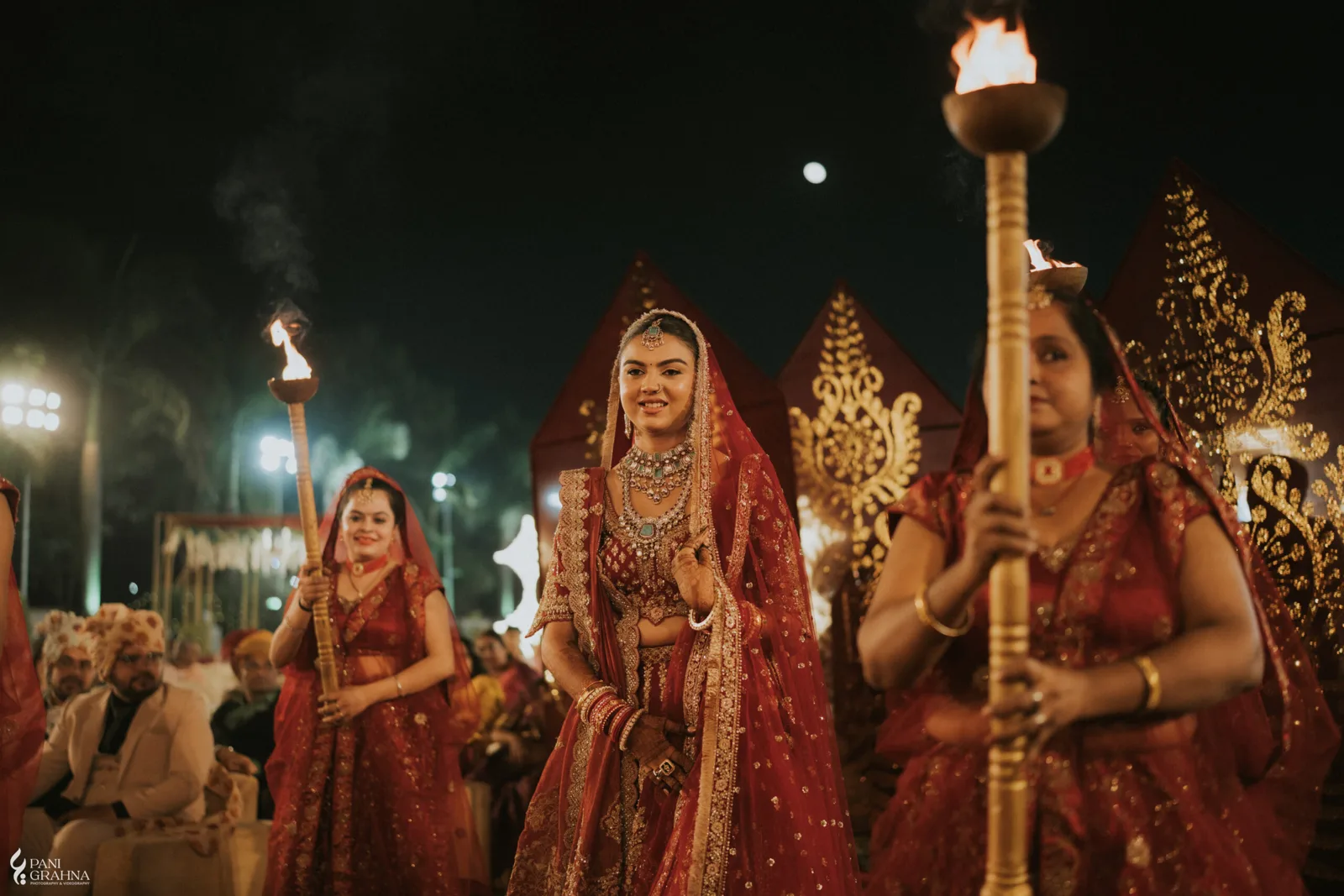
A brief you can use
Before enquiring, write a short paragraph describing unforced reactions, meaningful exchanges and atmosphere and the way you want the photographs to feel. Follow it with the date, proposed meeting point and your main priority. If you are undecided, say which decisions remain open. Clear questions are more useful than a very long message copied from several unrelated examples.
Next, check the practical plan against access and moments that cannot be repeated. Identify what must be ready before photography starts and who will handle it. Reserve time for arrival, preparation and a little flexibility. Keep the essential images separate from optional ideas so the photographer can concentrate on the important part if the schedule becomes tighter.
Finally, discuss observational photographs with agreed formal priorities as a deliverable. Tell the photographer how you plan to use the images and ask about edited files, delivery and any print requirements. Confirm the scope before the day, then send updates if the brief changes. A clear agreement gives both sides the same starting point and keeps the session focused on useful photographs.
Making the plan work in Diu
Fine Art Photography is based at Opposite SBI Bank, Diu, Dadra and Nagar Haveli and Daman and Diu 362520. The business provides photography services across Diu; a location mention does not promise a particular backdrop or unrestricted access. For candid photography, share the exact address or meeting point, then agree the route and timing with the photographer.
For an outdoor assignment, confirm conditions close to the day and keep a practical alternative. For a privately managed venue or business space, arrange access with the responsible person. If your brief involves unforced reactions, meaningful exchanges and atmosphere, make sure the participants or items can be ready at the planned time. These details turn a general idea into a session that can be photographed calmly.
Explore the Diu location guides for planning context and the candid photography service page for the relevant enquiry route. Availability, coverage and delivery are discussed individually. Photography remains the service being booked, while other arrangements stay with you or your chosen providers.
Questions before you book
Does Fine Art Photography offer candid photography in Diu?
Yes. Fine Art Photography offers candid photography across Diu and is based opposite SBI Bank. Share your date, the proposed setting and the main photographs you need so availability and scope can be discussed. A guide explains how to prepare; the actual booking, coverage and delivery are confirmed directly for your brief.
What should I send with my first enquiry?
Send the date or a realistic date range, the Diu location and a short description of unforced reactions, meaningful exchanges and atmosphere. Explain that you want observational photographs with agreed formal priorities, mention any timing limits and share a few visual references if they help. You do not need a finished shot list, but clear priorities make the next conversation more useful.
Are arrangements beyond photography included?
The service is photography. Venue booking, decoration, celebration organisation and other arrangements are not assumed to be included. For candid photography, confirm the photography coverage, edited files, delivery and any optional items directly. If someone else is preparing the setting or coordinating participants, introduce a main contact and share the agreed schedule.
How should I choose the location and session length?
Choose them together around access and moments that cannot be repeated, access and the photographs you want. Start with one practical setting, estimate preparation and movement time, and ask the photographer to review the plan. If you add subjects, a second setting or extra coverage, request an updated scope instead of assuming the original time will still be enough.