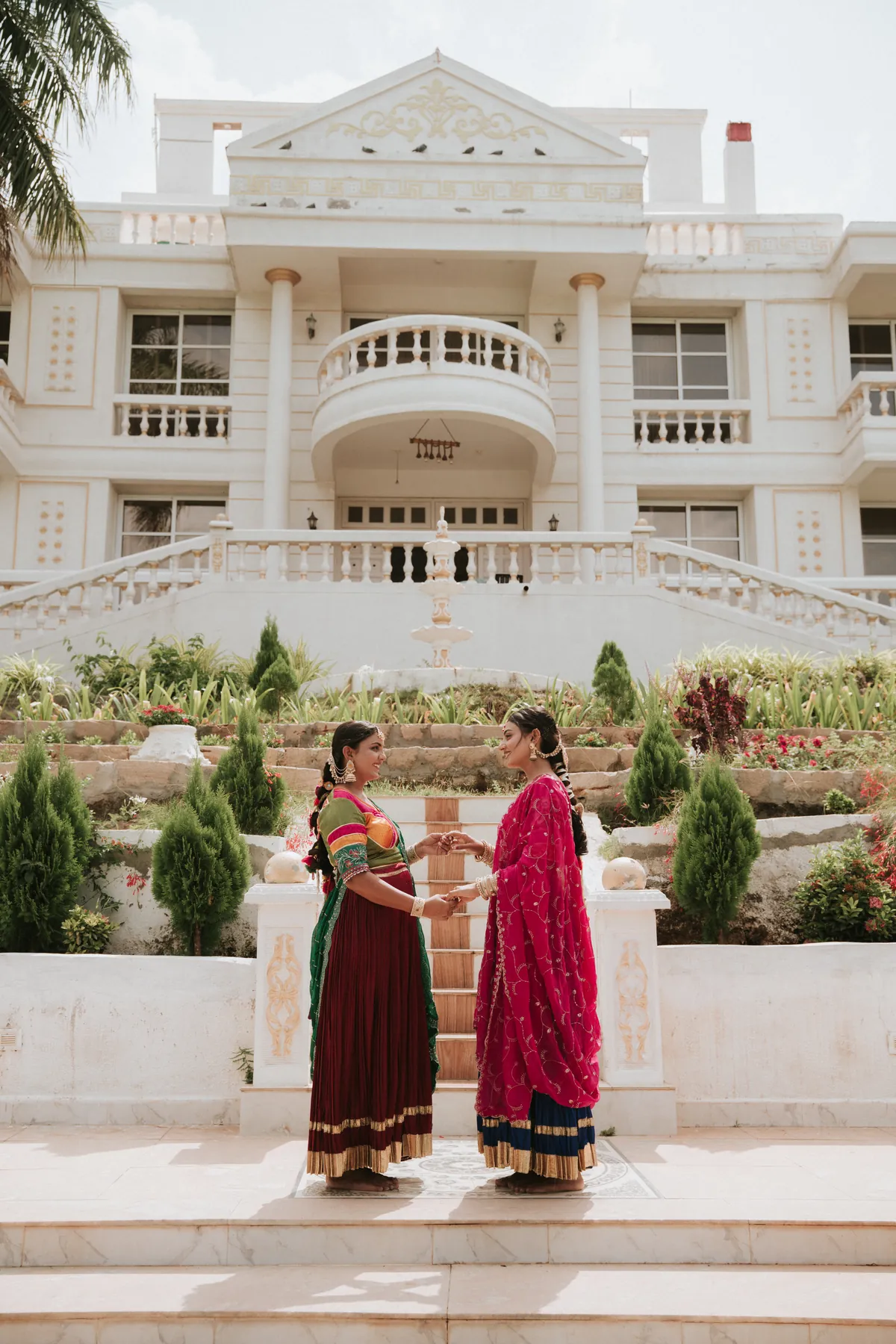
A building can look very different depending on where the camera stands and which part of the exterior is lit. Planning architecture photographs begins before anybody chooses a dramatic angle. For a project in Diu, share the building's orientation, accessible viewpoints and the features you want to explain. The photographs should describe form and context as well as make an attractive image. A careful brief helps distinguish a design record from a property listing or a portrait made in front of a building.
Explain what the project photographs need to show
Name the features that matter to the design: openings, materials, proportions, relationships between volumes or how the entrance works. Tell the photographer what the images will accompany, such as a project page, presentation or printed portfolio. Share accurate project names and credits rather than expecting the photographer to identify them. If the building is still being finished, explain which areas are ready and which remain under work. A clear purpose prevents the collection from becoming a set of decorative angles that overlooks the main design decision. Prioritise features that can actually be seen from the access you have arranged.
Assess viewpoints and permissions before the session
Identify where the photographer may stand and which routes are public, private or restricted. Permission for the property itself may not include access to a neighbouring plot or another building's roof. Do not assume an elevated viewpoint is available because it would improve the composition. For a Diu site, communicate the local access arrangements and a responsible contact. If aerial images are desired, discuss them separately with an appropriately authorised provider and the applicable permissions; they are not implied by an ordinary photography booking. Keep the plan grounded in the views that can be made lawfully and practically.
Let building orientation guide the timing conversation
Send a location pin and ordinary reference photographs showing the façades. Explain which side you need and whether you want direct light, softer light or a particular evening appearance. The photographer can advise on a workable time, but weather and actual site conditions remain variable. Avoid assuming every side of a building will be evenly lit during one short slot. If multiple appearances are important, discuss whether another session window is needed. A timetable based only on staff availability may not serve the visual brief. Bring these constraints together early so neither light nor access becomes a surprise on the day.
Prepare the site without misrepresenting it
Remove temporary waste, delivery packaging or movable equipment where appropriate and authorised. Keep permanent features that explain how the site functions. Don't ask for editing that conceals an important neighbouring structure or changes the design itself while presenting the image as a faithful record. Check vehicles, signage and people that could obstruct the planned viewpoints. If staff are participating to show scale or use, agree on their role and permission. Site activity can be included when it is part of the story, but it should be intentional. A photographer should know whether the brief is a finished-project record or a work-in-progress account.
Choose a sequence that moves from context to detail
Start with a view that places the building in its surroundings, then show the main façades, entrance and selected details. The sequence can help viewers understand the project rather than admire isolated shapes. Ask about perspective correction and the editing scope without assuming that every line must be manipulated into the same appearance. Use accurate captions and credits when publishing. Keep versions prepared for print and web, and preserve originals for future layouts. If the building changes, label the date or update the collection. Architecture photography becomes more useful when people can follow the design through the images and trust what they describe.
A sample plan you can adapt
For an illustrative guest property, the brief might request the main frontage, the entrance visitors use and a wider view showing how the building meets the street. Those are different photographs. An attractive façade image taken from across the road may not explain where a guest should arrive. A close entrance photograph may omit the overall architecture. Walk through the proposed sequence with the property representative and identify any signs, parked vehicles or neighbouring private areas that affect the view. Discuss a second time window if the frontage is heavily shaded during the first. This is an example of planning, not a statement about access or light at a particular Diu building. Keep the surrounding context accurate, especially if the images support accommodation or commercial information. Temporary barriers, ongoing work or an entrance that cannot be used should be explained rather than hidden in a way that changes the visitor's expectations.
Discuss your session with Fine Art Photography
Planning planning exterior architecture photographs in Diu around light and context starts with your own priorities, rather than somebody else's photograph list. Share the points in the brief below with Fine Art Photography, together with your preferred date and the people or items involved. Our architecture photography service in Diu is the place to discuss suitable coverage, availability and delivery. If your plans also include interior photography, review our interior photography service and explain how the two needs fit together. Confirm the agreed scope before booking, including the essential images, practical limits and intended uses. That conversation gives everyone a clearer starting point for the session.
Your photography brief
Use these points as a starting list. Add the details that matter in your situation, and ask which decisions need to be settled before the appointment.
- Design features and intended publication
- Location, orientation and existing site photographs
- Permitted viewpoints and site contact
- Ready areas and preparation tasks
- Project credits, dates and editing expectations
Common questions
Does architecture photography include drone images?
Not automatically. Aerial work has separate equipment, access and permission requirements. Ask specifically rather than assuming it is part of the same service.
Should every exterior image have perfect symmetry?
Only when it suits the design and viewpoint. A useful collection can include frontal, contextual and detail photographs with different compositions.