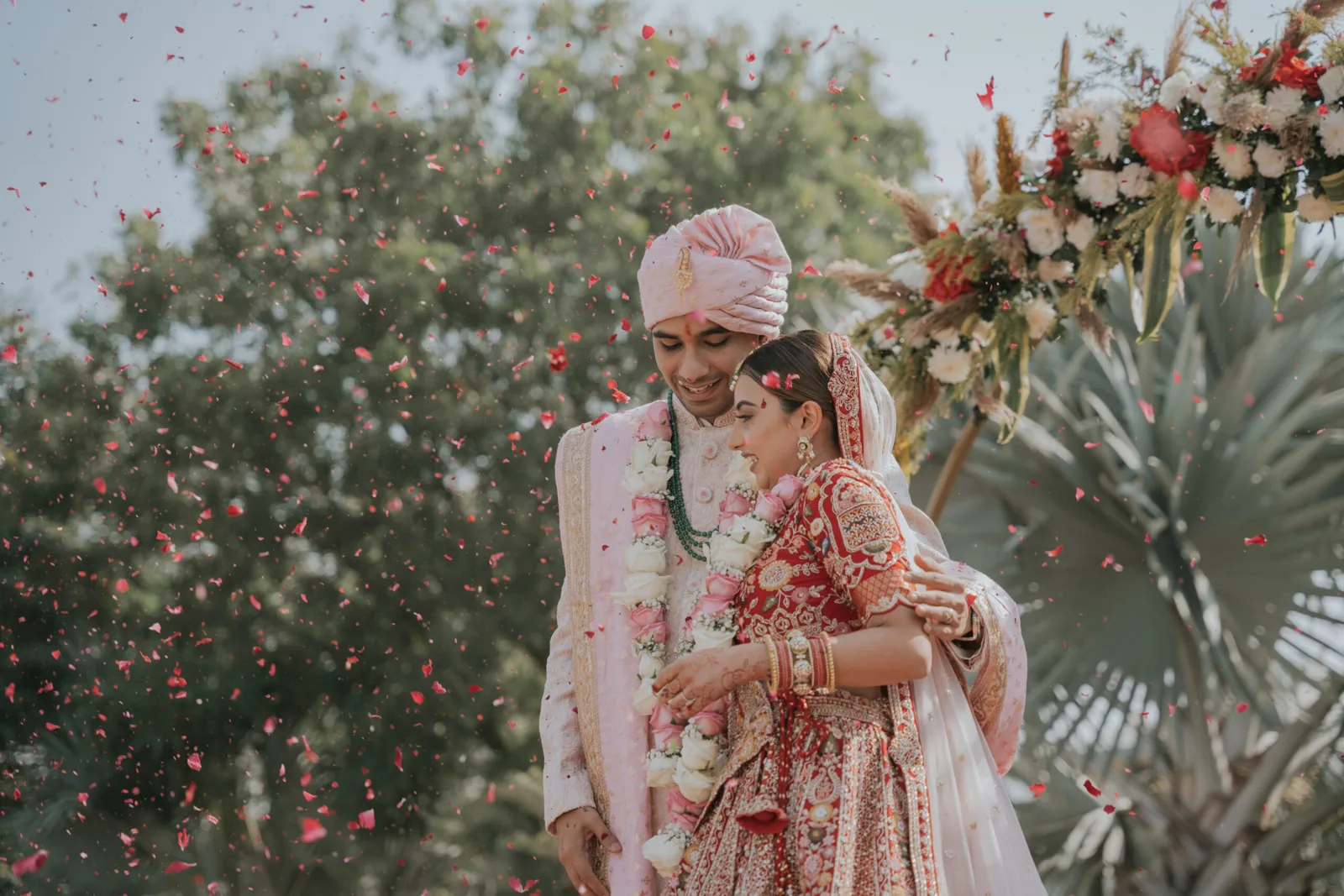
Good wedding photographs begin with a brief that fits the people, subjects and setting. In Rajkot, the useful question is how to arrange the people closest to the couple and meaningful family combinations without losing time to two coordinators, different arrival times and a list that becomes too long. This guide brings the practical decisions together before you choose a date.
Start with the photographs you actually need
Write the complete family group first, then the smaller relationships that matter most. Use names privately in the working list, but do not publish that list online. Ask one person from each family to help recognise relatives and explain which elders need a comfortable early portrait.
The focus of this brief is the people closest to the couple and meaningful family combinations. Before collecting more references, describe the decision or memory the photographs should support. Which images will you print, share, publish or keep privately? That answer helps decide the framing and the amount of coverage. Use wedding photography in Rajkot to discuss the service itself, then keep this guide beside your working notes. A visual reference is useful when you can explain the expression, detail or composition you like; it is less useful as an instruction to reproduce another person’s occasion.
Turn the brief into a workable sequence
Build the first version around one coordinator from each family, a prioritised group list and a seating option. Write the essential photographs at the top and give them a realistic place in the schedule. The main planning challenge is two coordinators, different arrival times and a list that becomes too long. Leaving that until the session starts makes the photographer solve a logistical problem while the people or subjects are already ready. Agree who gives the starting cue, who can approve a change and what happens if the first setting becomes unavailable. Put optional photographs after the essentials rather than hiding them in a long undifferentiated list.
For the actual image sequence, discuss the essential full group, parents with the couple, siblings and an informal intergenerational frame. Each view should add information or feeling instead of merely repeating the previous photograph at a slightly different angle. Check the sequence with the person who will use the images. If one missing frame would make the collection difficult to publish or incomplete as a family record, give it a clear priority now.
Choose an approved setting in Rajkot
A locality name is a starting point, not a confirmed shooting location. For example, Bhaktinagar photography planning explains the address information to include in an enquiry. Include the exact Bhaktinagar building or venue rather than relying on a broad area label. For a team session, allocate short staff intervals; for a family session, choose one coordinator who can bring the required group together without a long wait.
Ask the property owner or responsible manager whether professional photography and the proposed equipment are allowed. Public access does not automatically cover an organised shoot. Check the entrance, a place for equipment and the working area itself. A road-side meeting point should not become a portrait setup beside traffic. If the brief includes more than one address, list each one and allow an interval between them; do not assume travel time is usable photography time.
Prepare the people, subjects and small details
Give the photographer the final ceremony order, not the first draft sent to vendors. Identify the person who can warn the team before a ritual begins. If the venue has several simultaneous activities, mark which one takes priority and explain whether the coverage needs more than one photographer.
Ask each person what would make the session feel comfortable. Some people enjoy looking directly at the camera; others prefer a little conversation first. Explain the essential photographs before introducing optional ideas. A smaller, well-chosen collection is more useful than an exhausting series of near-identical poses. Keep personal boundaries visible in the plan, including who may attend, which details may be photographed and whether images can appear publicly. Someone changing their mind about a photograph should be heard rather than persuaded to continue for the sake of completing the list.
A sample situation and the better decision
Both families request a photograph with every arriving guest. Agree whether that means reception coverage or a small portrait list; those are different jobs and need different amounts of time.
Use this example to test your own plan. Name the moment that would be difficult to repeat, then decide what can be simplified around it. For wedding photography, that might mean reducing an optional setup, shortening a list or bringing the right person into the session earlier. The aim is to preserve the people closest to the couple and meaningful family combinations, not to finish every reference image regardless of the circumstances. A useful brief leaves the photographer room to respond while keeping the important outcome clear.
Agree delivery before the session
Ask how the collection will be arranged: ceremony, portraits, reception or another agreed sequence. If an album is part of the scope, discuss selection and proof approval separately from digital delivery. Family photographs should be easy to find without searching through hundreds of decorative details.
For a wider brief, engagement photography may be relevant, but it should be discussed as its own coverage requirement. Adding a second purpose can change the schedule and the photographs needed. Keep the requirements visible rather than assuming one short appointment can cover every service at the same level of attention.
Send a clear enquiry to Fine Art Photography
Fine Art Photography is based opposite SBI Bank in Diu. Rajkot enquiries are for travel assignments whose date, location, scope and travel arrangements are individually confirmed; these pages do not represent a Rajkot branch. Send the date, exact address, expected duration and the priority list for wedding photography. Mention two coordinators, different arrival times and a list that becomes too long early, because it affects how the session should be organised. Read about the company and contact the team when you are ready to discuss availability.
Keep one agreed copy of the brief after the discussion. It should identify the essential subjects, the approved setting, who coordinates the session and what delivery has been agreed. That is enough to start a focused conversation without turning photography planning into a complicated document.
Continue planning
wedding photography in Rajkot · All Rajkot guides · Rajkot services and areas
Discuss your date & brief